Many myths about HIV still exist.
But when policymakers and leaders have the facts, they can improve HIV prevention, diagnosis, and treatment efforts for children and adolescents.
Ending pediatric AIDS in our lifetime is possible, and it starts with getting the facts.
Six Facts You Need to Know
Pediatric HIV
Unless otherwise stated,“children” refers to 0-14 years of age, and “adolescents” refers to 15-19 years of age.
712
Source: UNICEF
250
Source: UNICEF
3%
Source: UNAIDS
84%
Source: UNAIDS
63%
Source: UNAIDS
15%–45%
Source: ViiV Healthcare
Six Facts You Need to Know
Adolescent HIV
Unless otherwise stated,“adolescents” refers to 15-19 years of age.
+1 million
Source: UNICEF
150,000
Source: UNICEF
15,000
Source: UNICEF
Six times
Source: UNICEF
64%
Source: UNAIDS
37%
Source: UNESCO
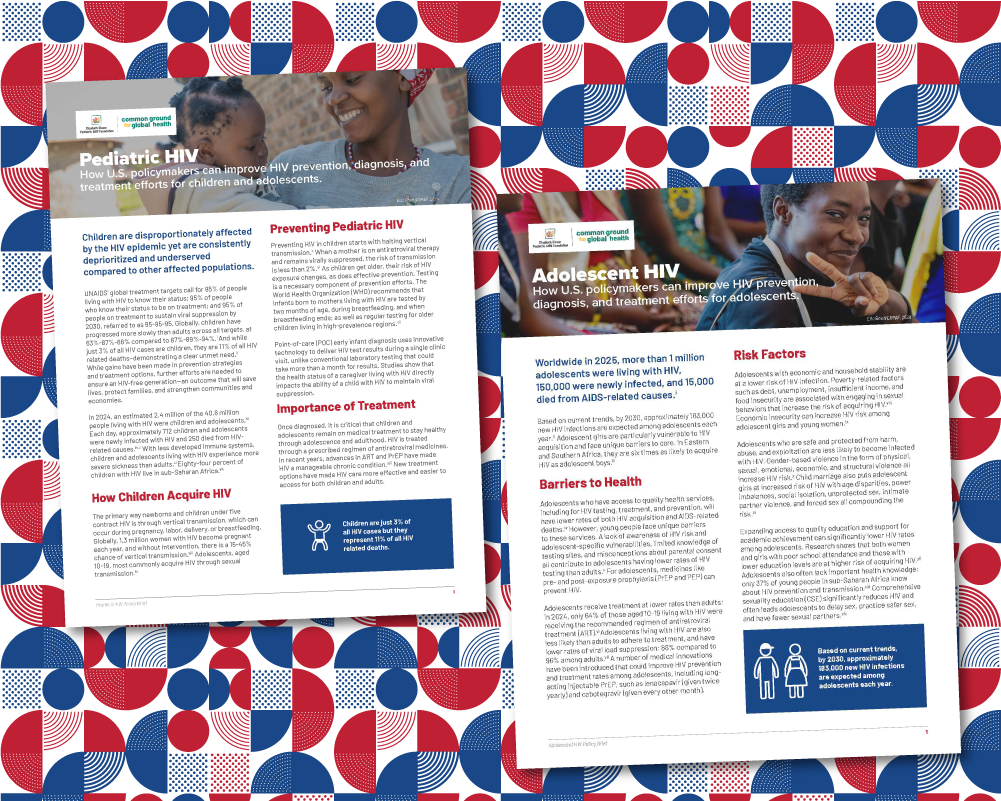
Get the Facts on a Single Page
Our policy one pagers provide the basics on pediatric and adolescent HIV and include recommendations for policymakers.
Resources
Access our policy briefs, one pagers, and landscape analysis to learn more about pediatric and adolescent HIV.
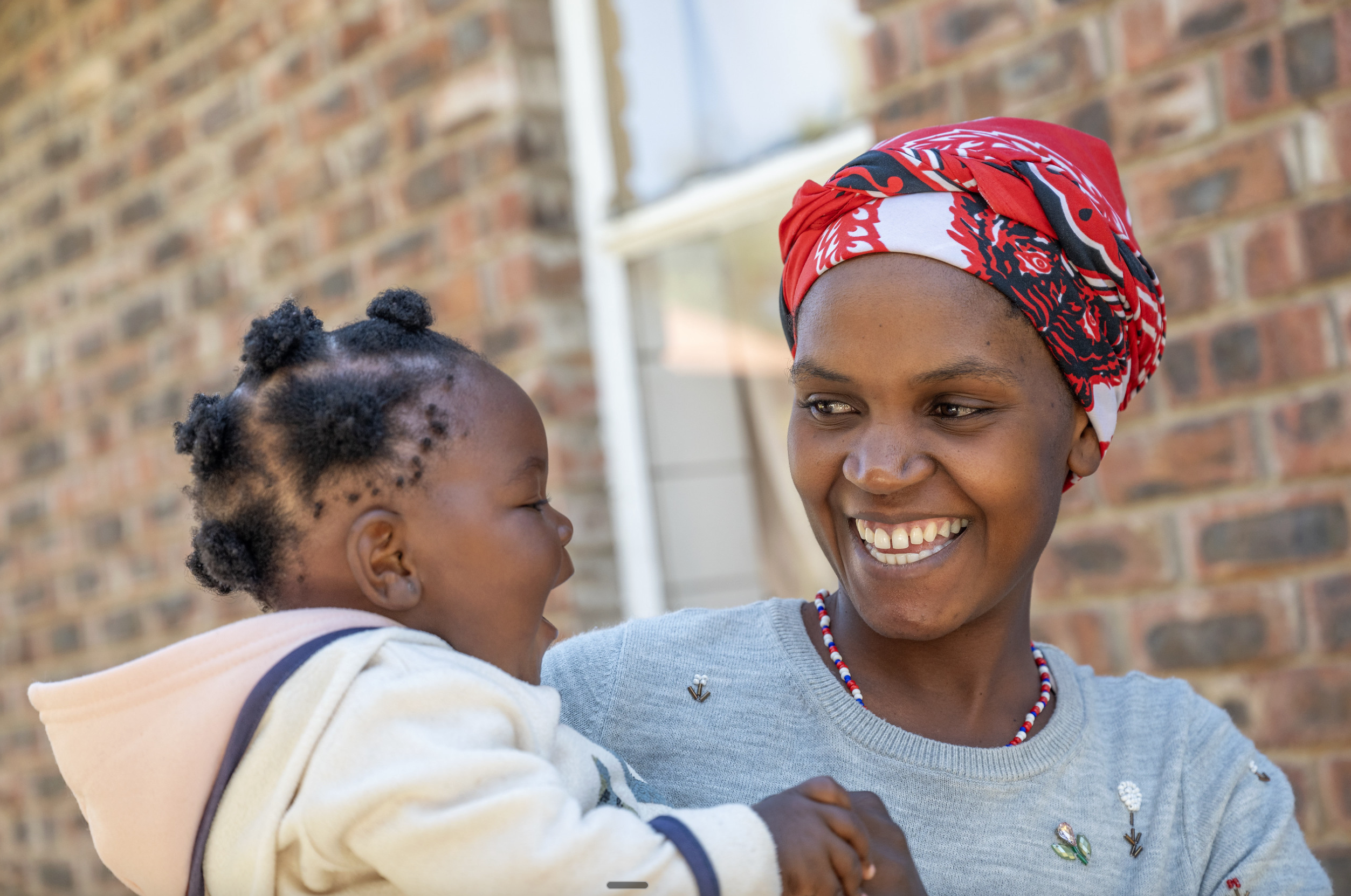
Issue Briefs
Common Ground for Global Health Policy Brief: Pediatric HIV
Published June 2026
Topics:
Advocacy,
Pediatric HIV
Countries:
Global
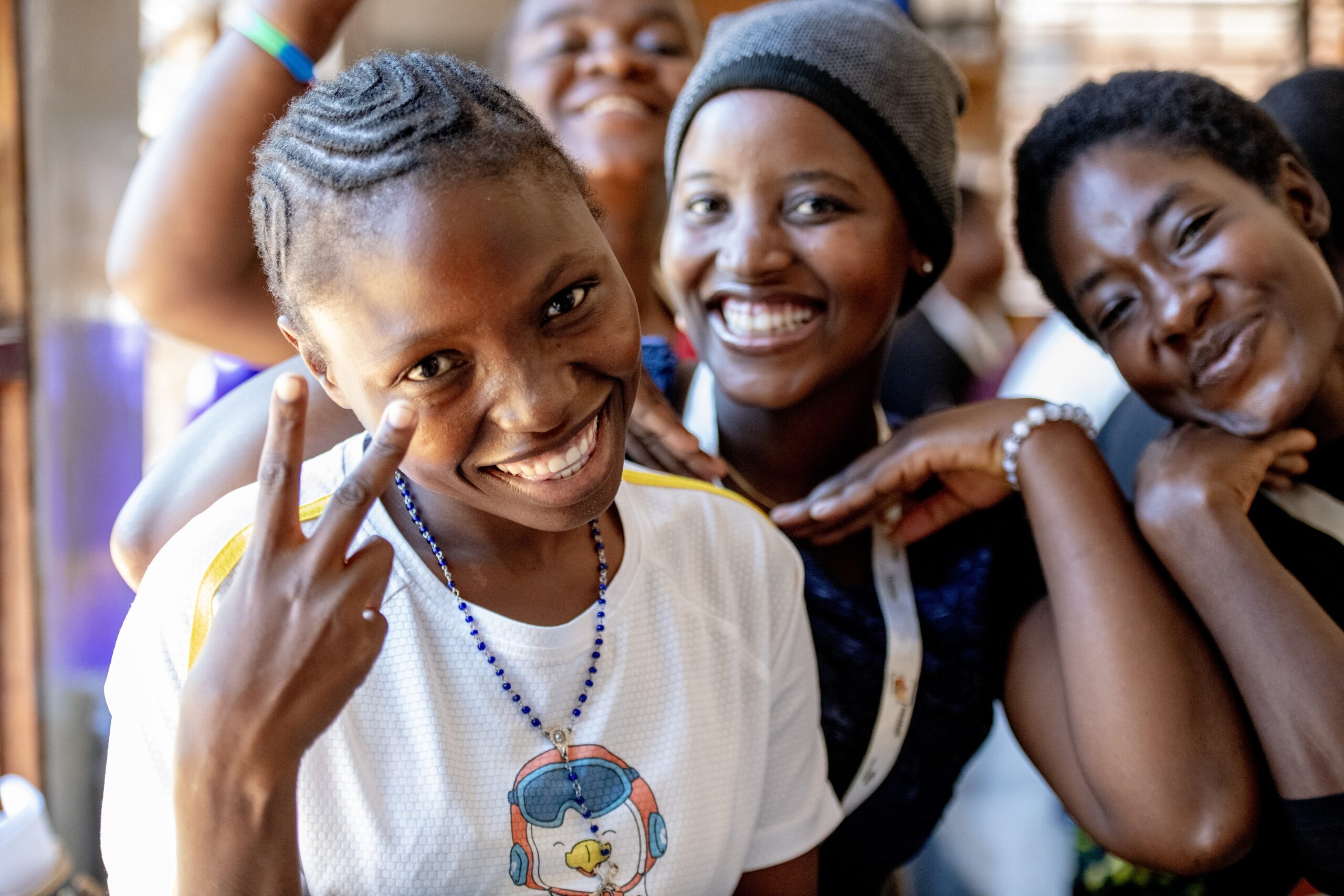
Issue Briefs
Common Ground for Global Health Policy Brief: Adolescent HIV
Published August 2026
Topics:
Adolescents,
Advocacy,
HIV,
Pediatric HIV
Countries:
Global
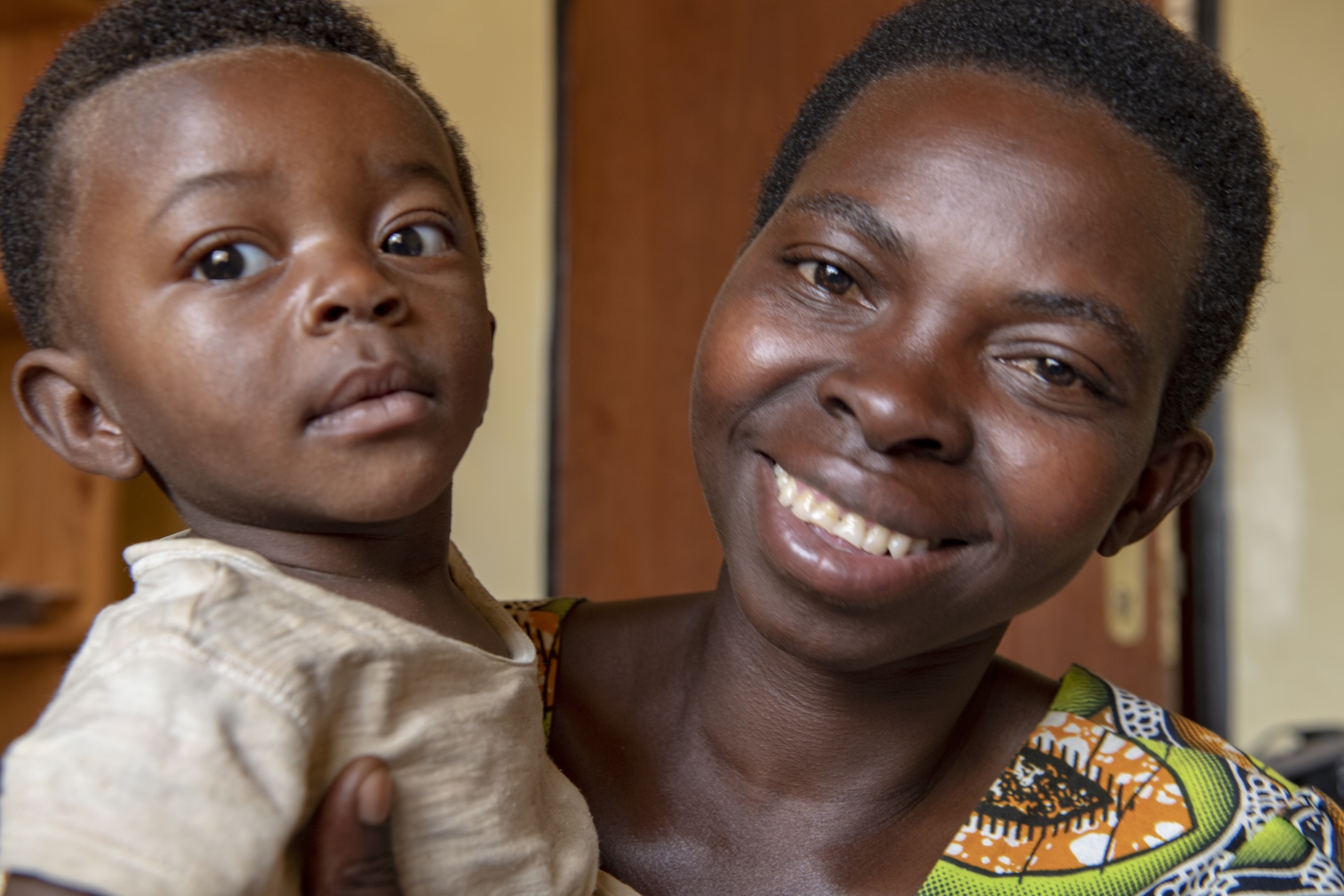
Resource
Protecting Lives, Sustaining Progress
Published March 2026
Topics:
Advocacy,
Children,
Global Health Security,
Health System Strengthening,
HIV,
Maternal and Child Health,
Mothers and Infants,
Women
Countries:
Global,
United States
Stories
Read stories about children, adolescents, and families impacted by HIV.
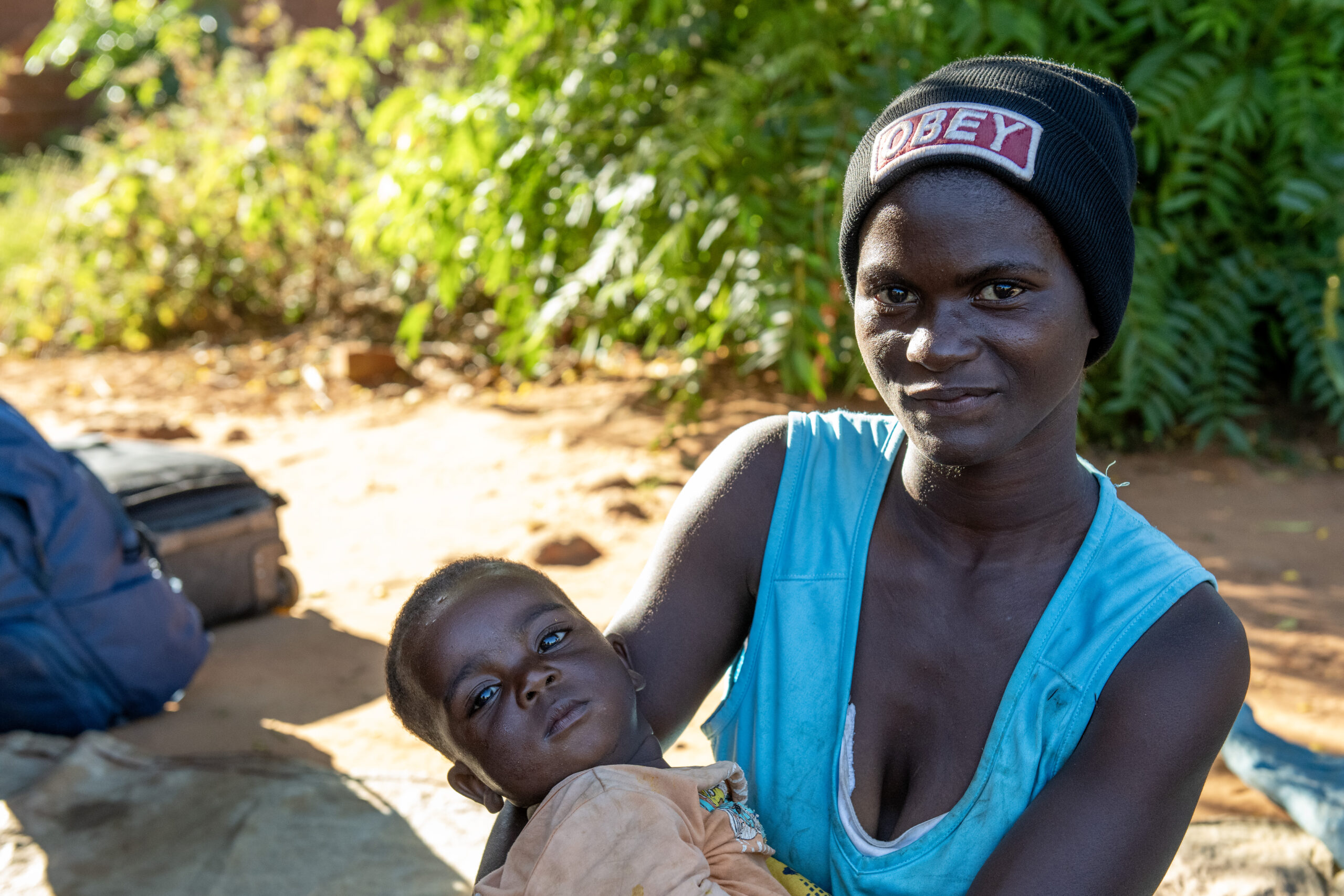
Story
A Generation Born Free — Can We Keep That Promise?
Published August 2026
Topics:
Children,
HIV,
Mothers and Infants,
Prevention of Mother-to-Child Transmission (PMTCT)
Countries:
Malawi
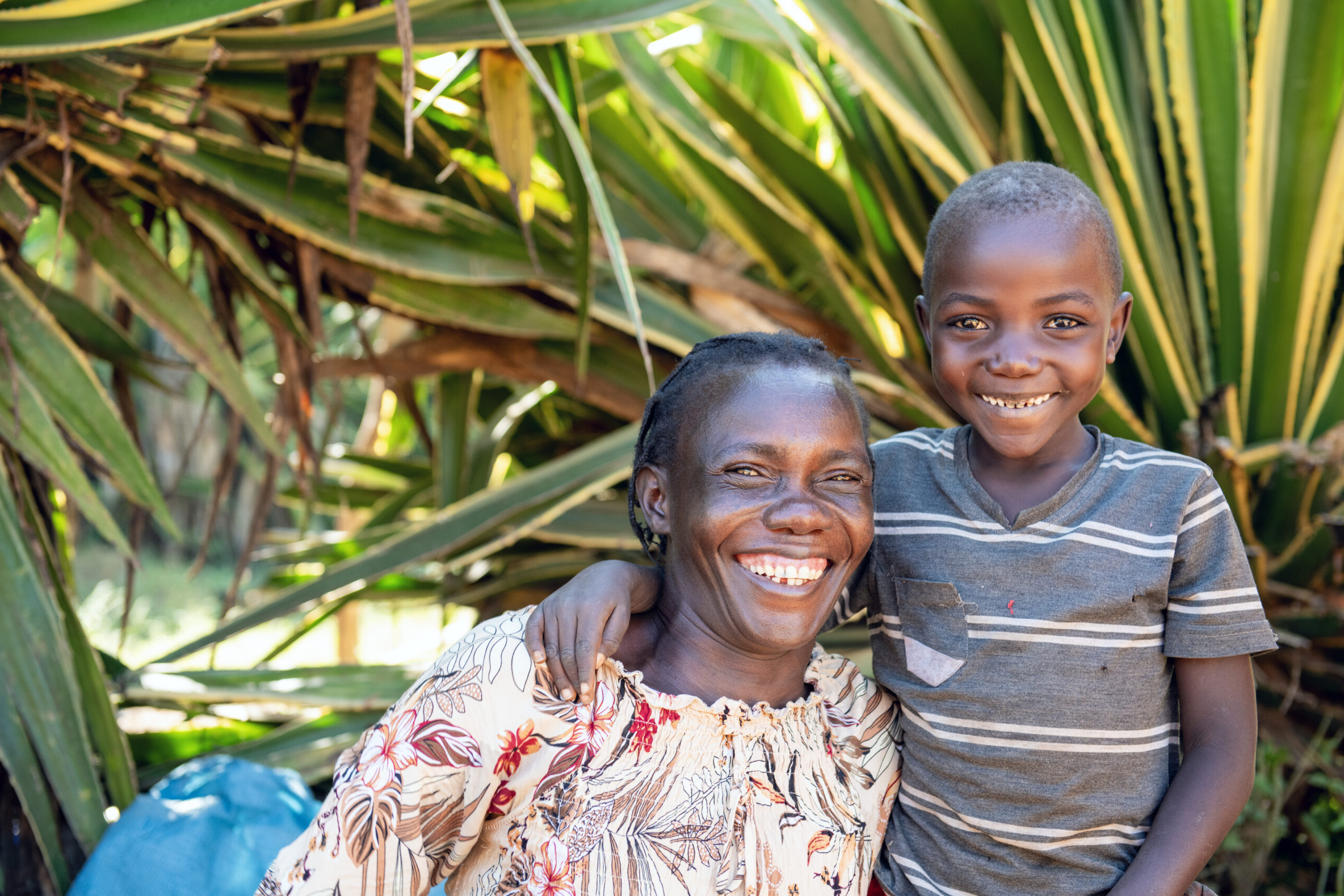
Story
Nine Years Later, Leah Is Still Saving Lives in Malawi
Published August 2026
Topics:
HIV,
Maternal and Child Health,
Mothers and Infants,
Prevention of Mother-to-Child Transmission (PMTCT)
Countries:
Malawi
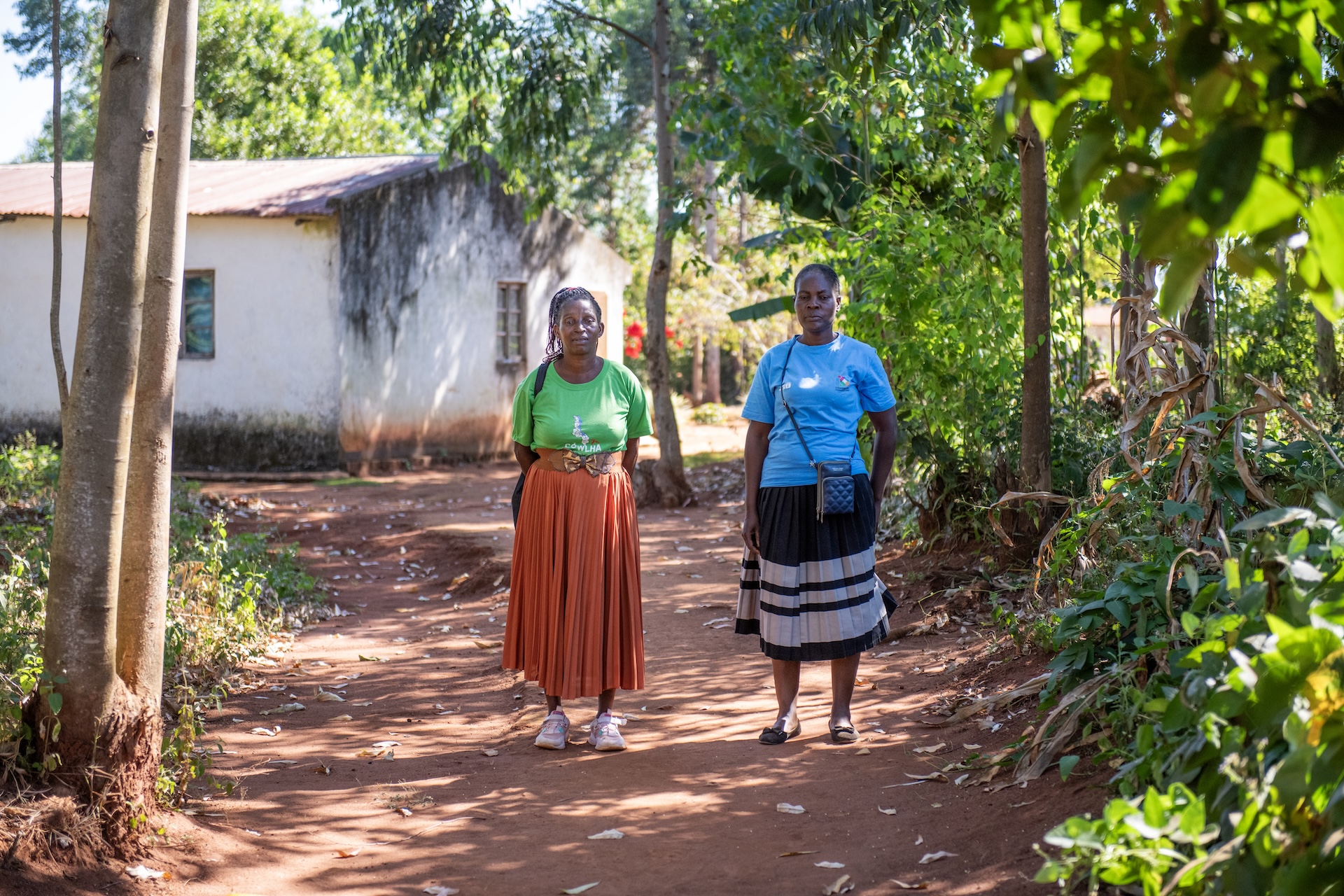
Story
The Path to Generation Zero
Published July 2026
Topics:
Maternal and Child Health,
Mothers and Infants,
Prevention of Mother-to-Child Transmission (PMTCT)
Countries:
Malawi
Get to Know the Project
Common Ground for Global Health
This work is part of the Common Ground for Global Health project, made possible through the generous support of the Gates Foundation. The findings and conclusions within are those of the authors and do not necessarily reflect the positions or policies of the Gates Foundation.