Overview
Worldwide in 2025, more than 1 million adolescents* were living with HIV, 150,000 were newly infected, and 15,000 died from AIDS-related causes. Based on current trends, by 2030, approximately 183,000 new HIV infections are expected among adolescents each year.
Adolescent girls are particularly vulnerable to HIV acquisition and face unique barriers to care. In Eastern and Southern Africa, they are six times as likely to acquire HIV as adolescent boys. Factors like child marriage, intimate partner violence, and economic insecurity all increase the risk of HIV infection for girls. Healthy, economically empowered, and educated girls who are free from harm are less likely to acquire HIV.
This policy brief explains the current landscape of adolescent HIV, with a particular focus on adolescent girls and the barriers they face regarding prevention, diagnosis, and treatment. It also provides recommendations for U.S. policymakers.
* Unless otherwise stated, in this policy brief “adolescents” refers to children from 10-19 years of age; and groupings of specific ages, like 15-19 or 10-13, are specified in each citation.
Healthy
Adolescents who have access to quality health services, including for HIV testing, treatment, and prevention, will have lower rates of both HIV acquisition and AIDS-related deaths. However, young people face unique barriers to these services.
A lack of awareness of HIV risk and adolescent-specific vulnerabilities, limited knowledge of testing sites, and misconceptions about parental consent all contribute to adolescents having lower rates of HIV testing than adults. Recent data indicates that only 29% of girls and 19% of boys aged 15-19 in Eastern and Southern Africa have been tested for HIV and received the results in the past 12 months.
Socioeconomic and geographic factors can also affect consistent access to sexual and reproductive health services, further limiting HIV testing. In fact, young people and adolescents with HIV are the least likely age group to be aware that they are living with HIV.
For adolescents, medicines like pre- and post-exposure prophylaxis (PrEP and PEP) can prevent HIV. PrEP is often used with those at high-risk of being exposed to the virus to stop its spread and is taken prior to exposure. When taken as indicated, PrEP reduces the risk of HIV infection from sex by 99% and from injection drug use by more than 74%. PEP, which is taken after a possible exposure, must be started within 72 hours and taken daily for 28 days to be most effective.
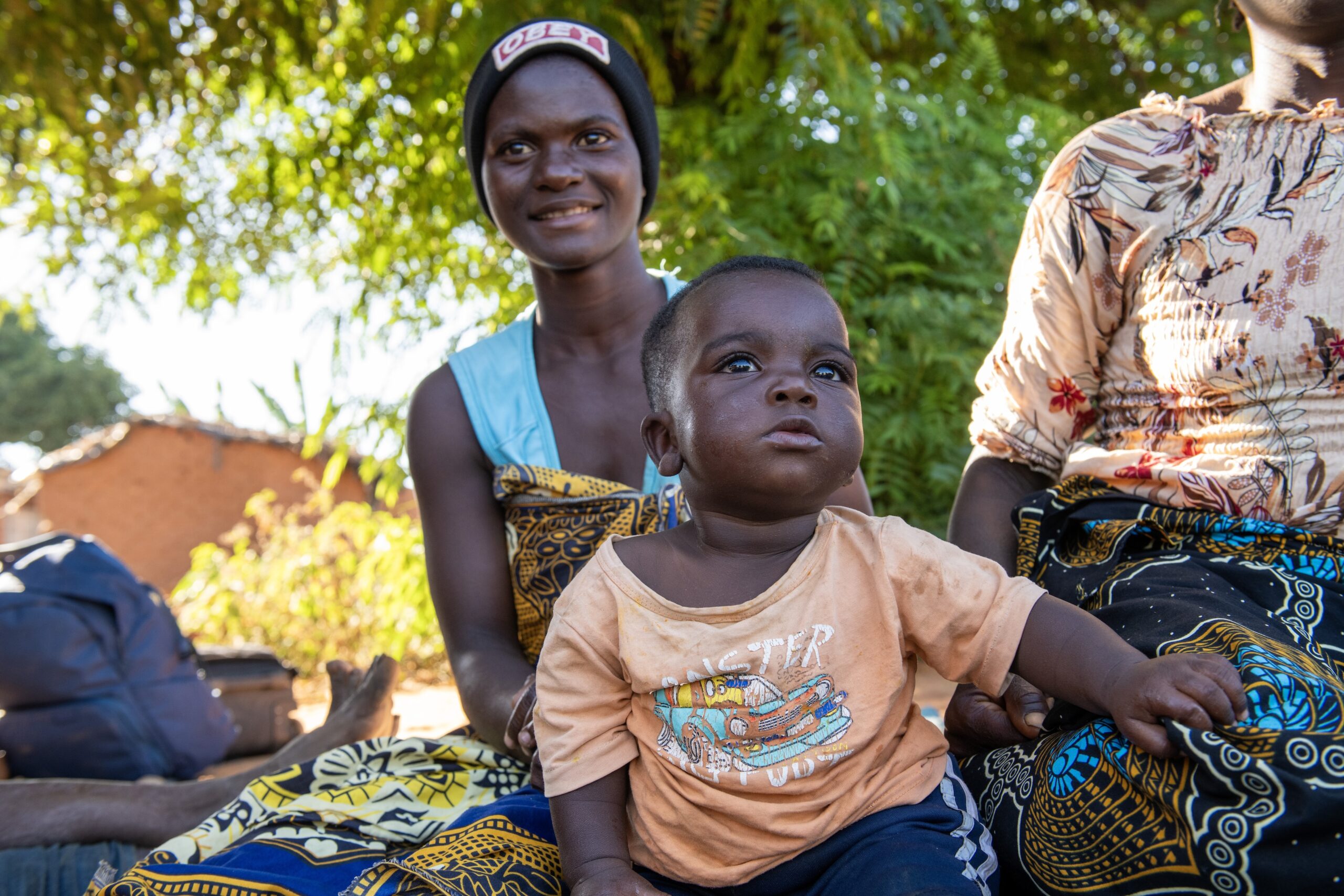
Felicia’s Story
Felicia is a 19-year-old mother in Malawi with a 1-year-old son, Achilles. Felicia’s mother didn’t have access to HIV services to prevent transmission when she was pregnant, and Felicia grew up living with HIV as a result. When she became pregnant, she felt secure that she could have an HIV-free baby. She took her medication without fail and had the support of a nearby mentor mother, Leah. Leah is a respected woman in the community who is living with HIV and has given birth to four HIV-free babies and helped young mothers for a decade.
Felicia says that because of women like Leah, stigma has been greatly reduced for women living with HIV and that she is happy Achilles will grow up without the worries of HIV.
Laws and policies often require parental consent or set a specific age for access to HIV services. In 2021, 22 countries globally had laws requiring parental/guardian consent for PrEP, 108 required consent for an HIV test, 43 required consent for HIV self-testing, and 92 required consent for HIV treatment. Policies on the age of access for HIV testing vary wildly across Africa. Thirty-six countries specify ages in either national HIV laws or guidelines; ages range from 12 to 21, with the most common age of consent at 18 years old (36.5% of countries). In some places, healthcare providers have discretion to determine service access. This can pose additional obstacles and harm to adolescents if the providers are judgmental or generally not supportive.
Adolescents also receive treatment at lower rates than adults: in 2024, only 64% of those aged 10-19 living with HIV were receiving the recommended regimen of antiretroviral treatment (ART). Adolescents living with HIV are also less likely than adults to adhere to treatment. Nonadherence among young people increases with age as patients age out of pediatric care. Higher education level, HIV knowledge, positive patient-provider relationships, and adult accompaniment are all associated with higher adherence, while factors including parental death, depression, HIV stigma, and therapy-related barriers are associated with lower-adherence.
Adolescents also have lower rates of viral load suppression: 88% compared to 96% among adults. HIV-related stigma is a factor, as it negatively affects adolescents’ mental health, social support, safety, and health behaviors, including adherence to ART. Studies find that training healthcare providers to be nonjudgmental can help make services
more approachable, as can utilizing youth-friendly apps, chats, and texting programs. Digital platforms like these can provide confidential, on-demand support to improve availability and provide tailored technology that is more accessible to adolescents.
A number of medical innovations have been introduced that could improve HIV prevention and treatment rates among adolescents. The introduction of long-acting injectable PrEP, such as lenacapavir (given twice yearly) and cabotegravir (given every other month) could help address the low number of adolescents currently using PrEP. A new monthly oral HIV prevention pill that is in late-stage trials, could similarly increase access and uptake. Studies also show that available long-acting injectable HIV treatment could lead to higher viral suppression rates among adolescents, who often prefer injectable options over daily oral therapy.
Economic Empowerment
Adolescents with economic and household stability are at a lower risk of HIV infection. Research shows that poverty- related factors such as debt, unemployment, insufficient income, and food insecurity are associated with engaging in sexual behaviors that increase the risk of acquiring HIV. These behaviors include having unprotected sex, inconsistent condom use, transactional sex, and having multiple sexual partners. Homelessness can worsen these challenges, while stable housing can improve access to care and viral suppression. Instability caused by humanitarian crises can also increase HIV infection rates and disrupt access to care.
Economic insecurity can increase HIV risk among adolescent girls and young women. Financial instability in families can limit girls’ school attendance, further increasing their vulnerability to HIV. Gender inequality can also create barriers to HIV treatment and care, directly affecting women’s health and in turn their access to economic opportunities. Studies show that economic empowerment can help adolescents with HIV achieve viral suppression. Economic barriers to HIV care for adolescents can include the costs of transportation and healthcare, competing financial needs, time lost from school or work, food and housing insecurity, and caregiver illness or disability, among other challenges and stressors. Studies find that combining cash transfers with social welfare and caregiving support reduced HIV-related risk behaviors by 50-70% among young girls.
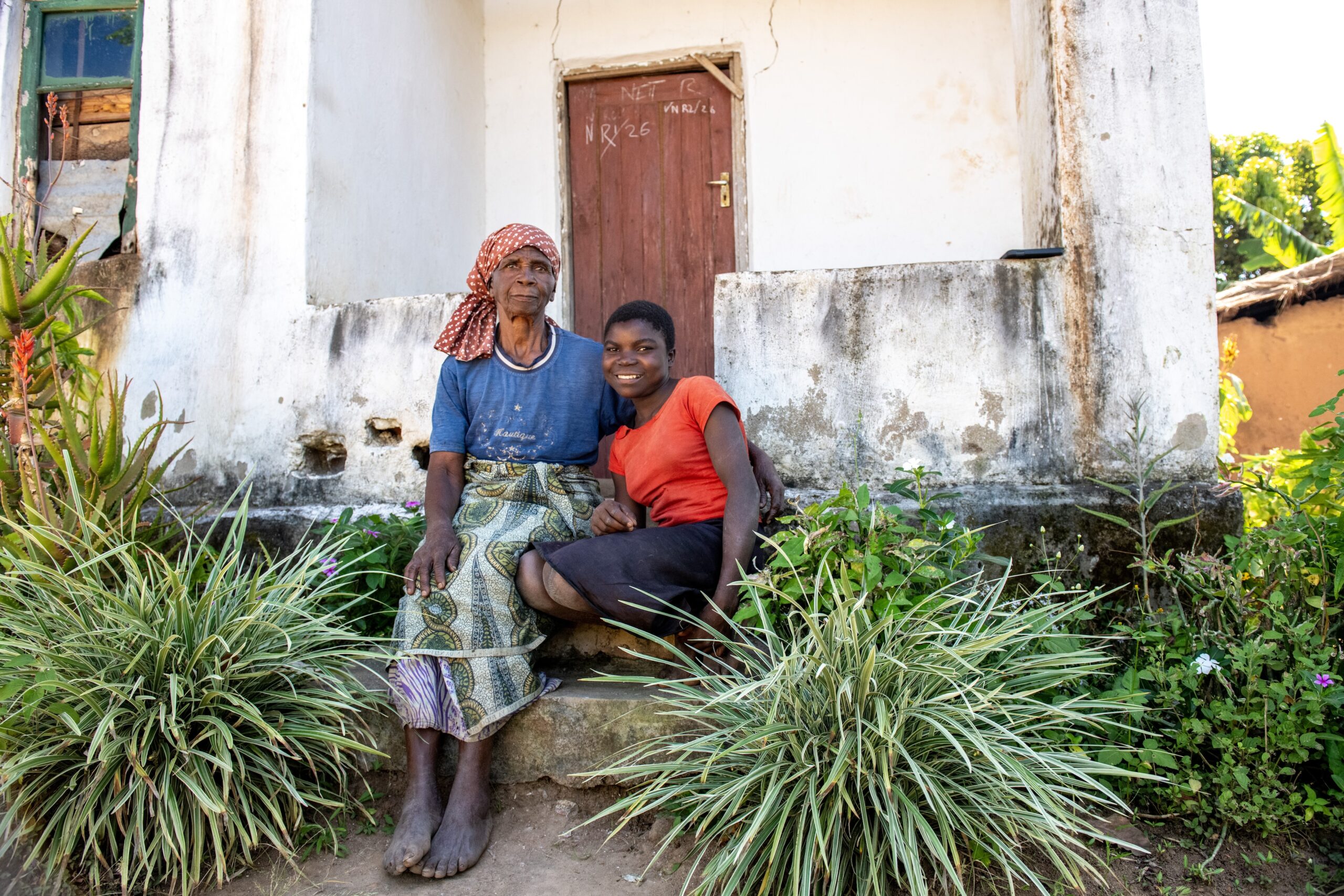
Mary’s Story
Mary is a 16-year-old living with HIV in Thyolo, a farming community in southern Malawi. Her parents died and she is being raised by her 76-year-old grandmother. They are both living with HIV and give each other support to take their lifesaving medication.
Their small plot does not produce enough food for them, and they face constant food insecurity. Mary’s grandmother hires herself out to work at larger farms, but a day’s work only provides enough food for one day.
When Mary and her grandmother are hungry, they cannot take their HIV medication because of the side effects that make them dizzy and weak. As a result, Mary struggles to keep her viral load low and to stay well.
Educated
Expanding access to quality education and support for academic achievement can significantly lower HIV rates among adolescents. In sub-Saharan Africa, approximately 58% of upper-secondary-aged children are not in school. Girls are more likely than boys to be out of school, and this gap widens at higher education levels. Globally, 122 million girls are out of school today, and almost 4 in 10 adolescent girls and young women don’t finish upper secondary school. Research shows that both women and girls with poor school attendance and those with lower education levels are at higher risk of acquiring HIV. Conversely, evidence shows that each additional year of secondary schooling can reduce the cumulative risk of HIV.
Adolescents also often lack important health knowledge: only 37% of young people in sub-Saharan Africa know about HIV prevention and transmission. Comprehensive sexuality education (CSE) significantly reduces HIV and often leads adolescents to delay sex, practice safer sex, and have fewer sexual partners. CSE can result in other benefits, including reducing rates of STIs, pregnancies, and gender-based violence. While many countries have made progress in CSE programming, challenges remain, including social norms that discourage open discussion, misinformation, and misconceptions about CSE, and teachers lacking the capacity to teach and discuss the curriculum.
Free from Harm
Adolescents who are safe and protected from harm, abuse, and exploitation are less likely to become infected with HIV. Gender-based violence in the form of physical, sexual, emotional, economic, and structural violence all increase HIV risk. Stigma and discrimination in healthcare settings can also increase risk: adolescents and young people living with HIV have reported unsupportive health worker practices that include discrimination, shame and scolding, imposing moral values, and violating confidentiality.
Gender-based violence is a worldwide epidemic experienced by 1 in every 3 women across her lifetime. Women who have experienced intimate partner violence are 55% more likely to be HIV positive. One study in South Africa found that 12% of new HIV infections among young women could be directly attributed to intimate partner violence. Additionally, women who faced sexual abuse in childhood were more likely to be HIV-positive and women living with HIV are more likely to be subject to violence regardless of their geographic location and socioeconomic status.
Child marriage also puts adolescent girls at increased risk of HIV with age disparities, power imbalances, social isolation, unprotected sex, intimate partner violence, and forced sex all compounding the risk. Each year, 12 million adolescent girls are married before the age of 18. Adolescent pregnancy can lead to increased stigma, higher school dropout rates, increased poverty, decreased employment opportunities, and gender-based violence, all exacerbating HIV risk. Violence can also make it harder for adolescents to stay on their treatment plans; one study found that reducing violence lowered this risk from 75% to 25%.
Recommendations
The following recommendations provide a framework for U.S. policymakers to improve HIV prevention, diagnosis, and treatment efforts for adolescents:
Prioritize solutions to reduce legal, social, and systemic barriers to adolescent HIV testing, prevention, and treatment.
Work with U.S. State Department to identify opportunities to: reform guardian consent requirements that prevent adolescents from independently accessing HIV testing and treatment services; expand access to digital health platforms where appropriate and supported; and improve health worker training to ensure youth-friendly and respectful care.Increase investment in, and access to, long-acting injectable PrEP for adolescents at risk of acquiring HIV.
Invest in the expanded rollout of injectable options, such as lenacapavir and cabotegravir, which adolescents often prefer over daily oral PrEP medication. Support the distribution infrastructure to expand access in high-burden countries.Fund integrated programs to address gender-based violence as an HIV prevention strategy for adolescents.
Support programs that address intimate partner violence, child marriage, and sexual abuse as drivers of HIV acquisition among adolescents. Reducing violence can improve adherence to medicines and must be core to HIV programming versus a separate initiative.Support initiatives that keep girls in school and increase their health and wellness education.
Fund initiatives that keep girls in secondary school since each additional year of schooling is associated with a reduced lifetime risk of HIV infection. Prioritize skill building that gives adolescent girls tools to make informed health decisions. Support comprehensive sexuality education programs as part of school programs to improve knowledge of HIV, prevention, and treatment.Invest in economic empowerment programs for adolescents and their guardians.
Support economic stability through cash transfer programs, social services, and caregiver/ guardian programs. Poverty, food insecurity, and homelessness are closely tied to increased risk of HIV, and adolescent girls’ particular economic insecurities should be acknowledged and addressed.Address barriers to adolescent HIV prevention through targeted research and the creation of sex and age-disaggregated data.
Continue investment in adolescent-specific research with data disaggregated by sex and age to better identify the specific risks facing adolescent girls as compared to boys and other age groups. Research will help ensure programs and services reflect the realities and wants of adolescents themselves rather than being adapted from studies of adults.
To view acknowledgements and endnotes, download the brief here.
Want to Learn More?
Common Ground for Global Health Policy Brief: Pediatric HIV
Read the policy brief that provides an overview of the current landscape of pediatric HIV, highlights prevention, diagnosis, and treatment successes and challenges, and gives recommendations for U.S. policymakers.