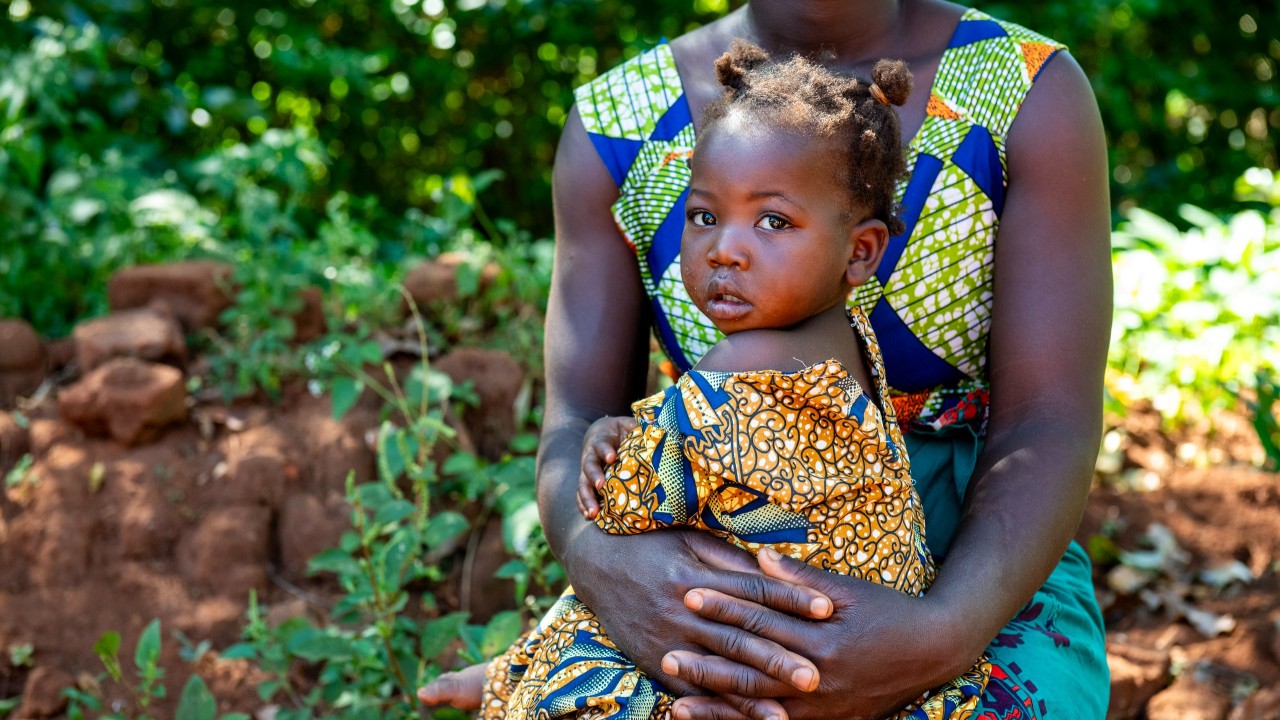
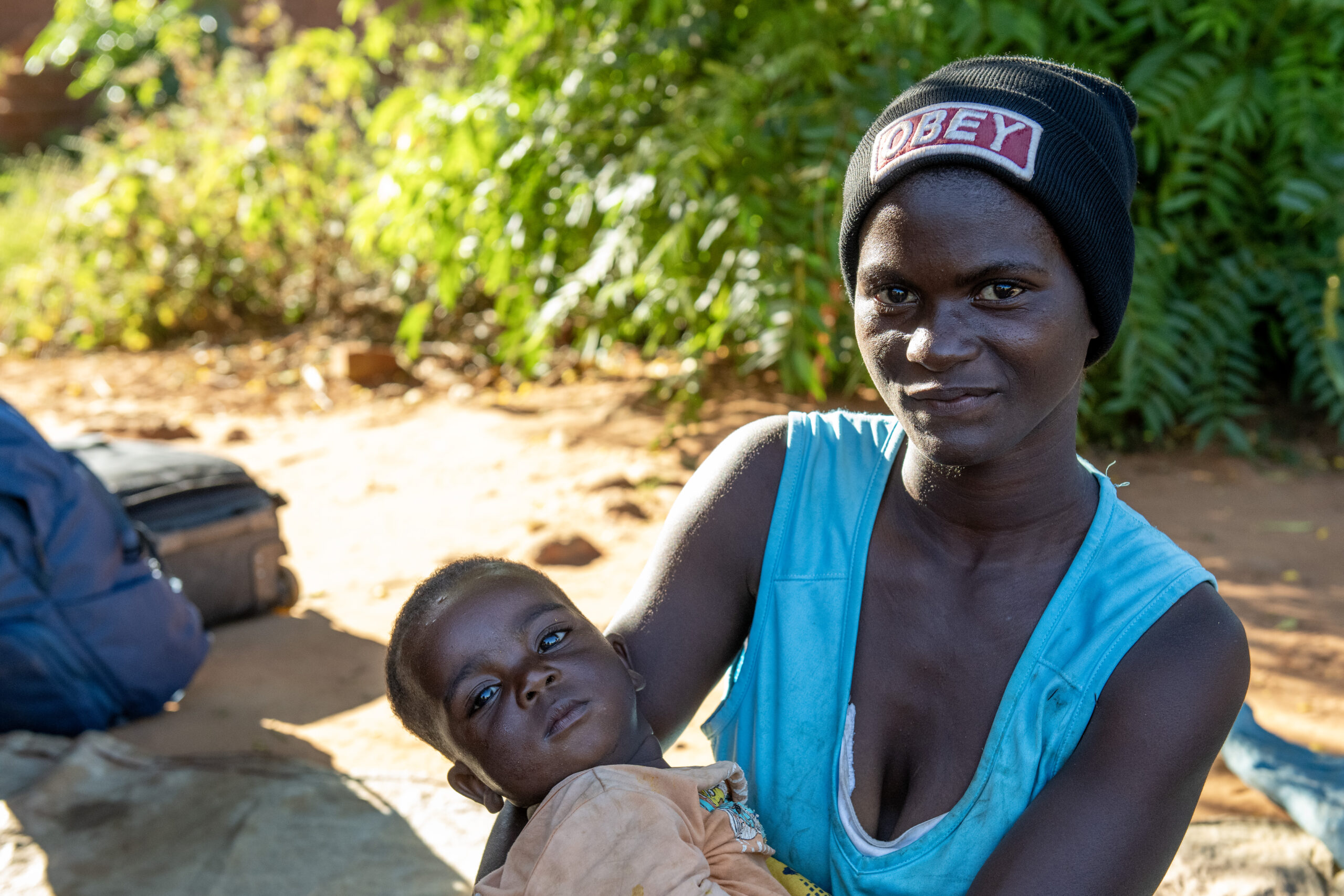
Three generations of one Malawian family show what's possible when mothers get treatment — and what's at risk when that support disappears.
Stella is tickled to be a grandmother again to 1-year-old Achilles, who delights the entire family with his exploration of their farmstead in rural Malawi. She is excited to watch him learn about the world and develop. Now that he is walking, he toddles about, checking to see what the chickens are up to; visiting his grandfather in his red-clay house; looking for his mother, Felicia, who says that her son is far more entertaining than any video on TikTok.
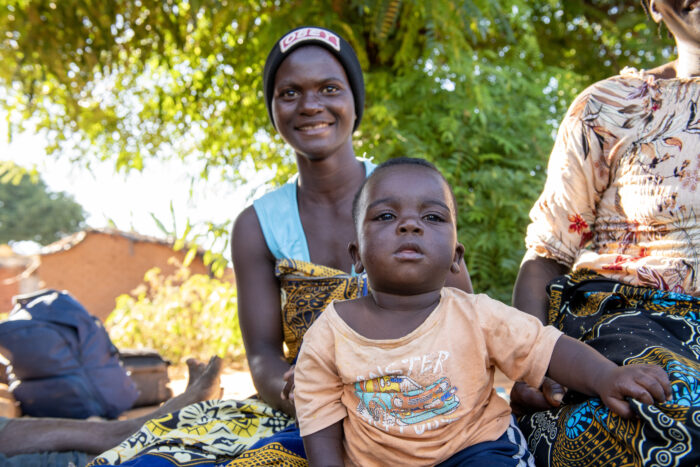
Stella could not have imagined this future back when she was pregnant with Felicia, her youngest daughter. As a woman living with HIV, she knew that it was likely that she would pass the virus to her daughter. It was a common story in the village that a mother has a child and then both she and the child perish soon after. There was no treatment for HIV. No way to prevent transmission to children.
And so Felicia was born with HIV.
Fortunately for both Stella and Felicia, at that precise moment HIV services were being incorporated into health centers in Malawi, through the support of PEPFAR (the U.S. President’s Emergency Plan for AIDS Relief), an initiative of the George W. Bush administration. Malawi is the fourth poorest country in the world, with a large rural population that lacks cash resources. PEPFAR helped provide antiretroviral (ARV) medication to people living with HIV, offering life and health for the first time since the start of the HIV epidemic in the 1980s.
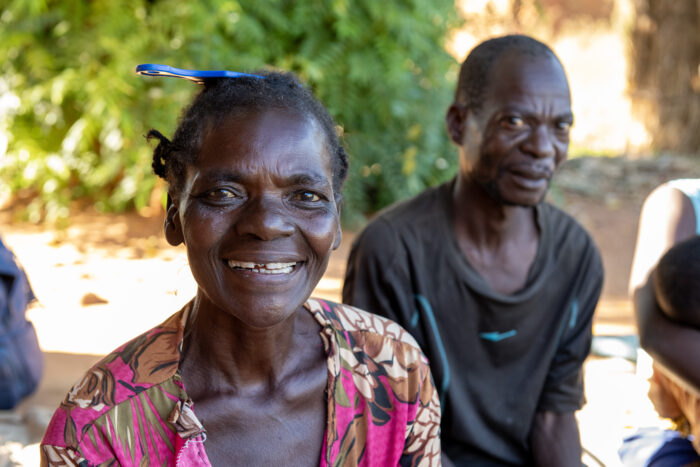
Stella and Felicia are alive today because of PEPFAR. Felicia grew up taking her ARVs as prescribed and did all of the things that other girls in the village did. She attended the nearby Home of Hope school for vulnerable children, where she excelled in classes and was supported by kind teachers. At home, she helped her mother and father with their farming. Stella doted on her youngest child and was relieved that HIV would not kill Felicia as it had so many children in the village.
A New Generation, A New Outcome
When Felicia became pregnant at the age of 18, Stella was not worried.
“Felicia was born infected with HIV because back then I didn’t know about PMTCT [prevention of mother-to-child HIV transmission],” says Stella. “But after getting knowledge about HIV, I was comfortable about my daughter’s pregnancy. I did my best so that my Felicia would bring up an uninfected baby.”
Stella shared the good news about the pregnancy with her cousin Leah, who is a mentor mother in the village. Mentor mothers are trained to coach women through their pregnancy and afterwards so that their children are born and grow up HIV-free. As mother who is living with HIV and has given birth to four HIV-free babies, Leah is respected in the community. Her family is proof of the PMTCT concept. She has been mentoring young mothers in her village for the past decade.
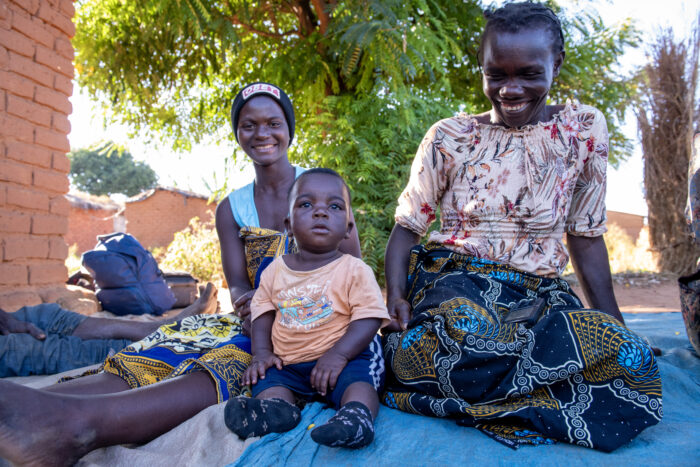
Felicia felt nurtured. As a member of the first generation in Malawi to grow up with HIV, Felicia trusted the medication, trusted PMTCT protocols, trusted Leah.
“I wasn’t anxious about passing HIV to my child,” says Felicia. “I was excited about becoming a mother. Leah made sure that I went to all of my appointments at the hospital and that I took my medication. And after my son was born, she made sure that I was having him tested every several months to verify that he is HIV-negative.”
Felicia says that because of women like Leah, stigma has been greatly reduced for women living with HIV in her village and that her experience is totally different than that of her mother when HIV services were not available. She says that she is happy that Achilles will grow up without the worries of HIV.
And for herself, she plans to become a businesswoman with the support her family and other members of the community.
Progress at Risk
And yet, even in this happy domestic scene, there is a new anxiety. After funding cuts, people worried that the ARVs they count on to survive might not be there when they go to the health center—or that they will be too expensive to purchase. The mentor mother program has been cut. Will other young women in the village get the support that has Felicia received from Leah?
In Stella’s life, she has seen a community turn from grief to hope. Achilles, born HIV-free, embodies that hope. Can that hope be sustained?
To be Continued