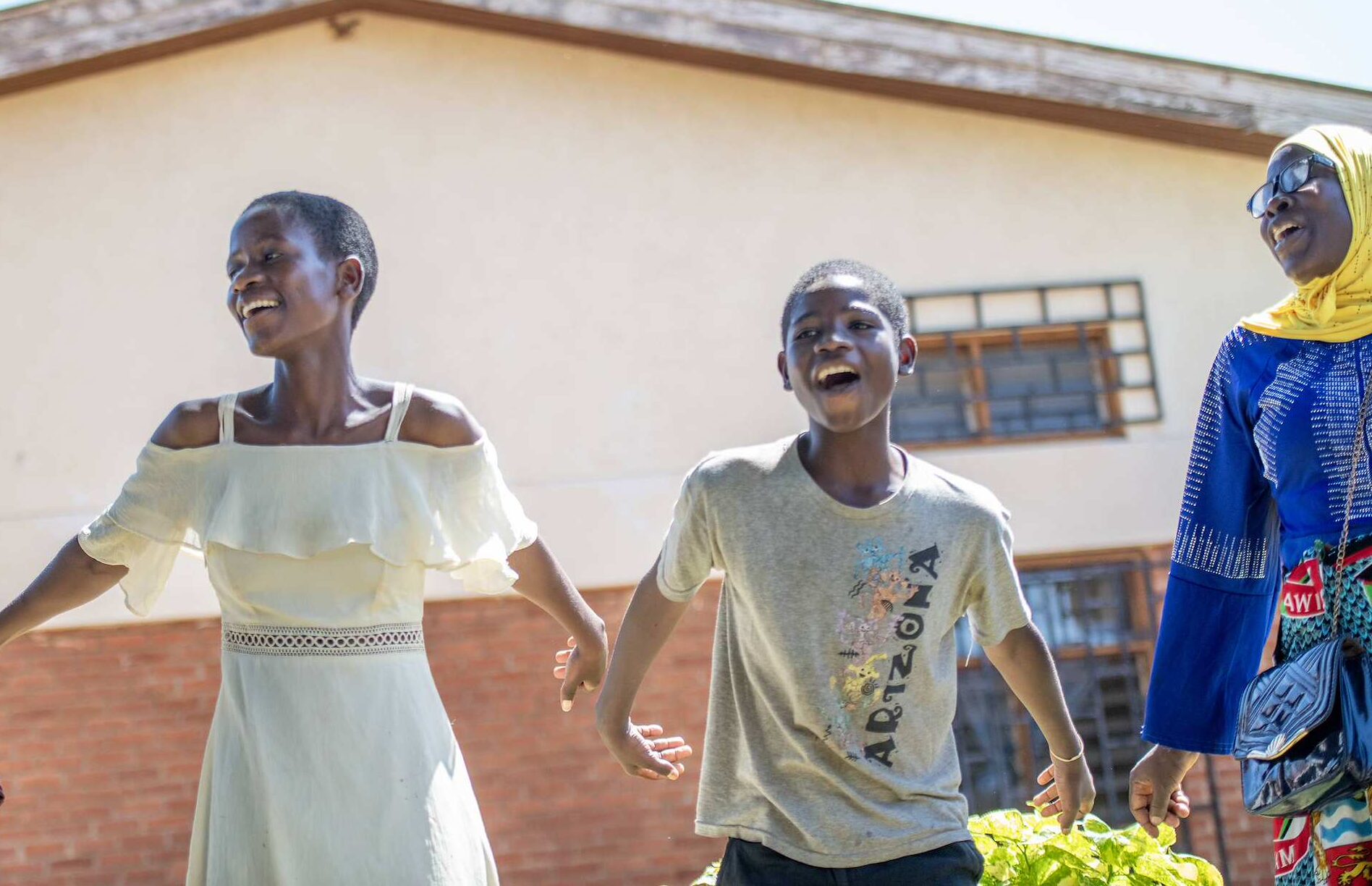
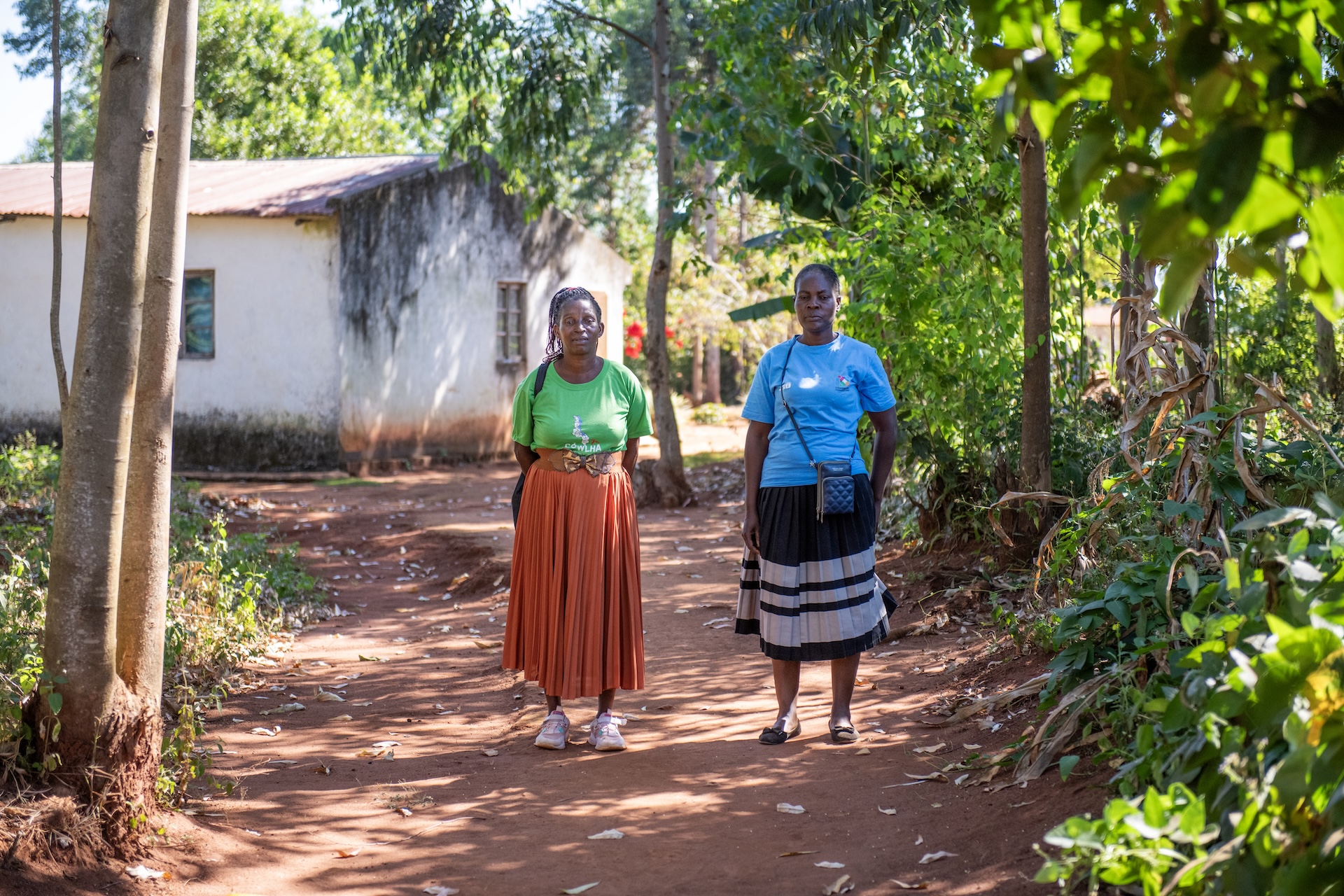
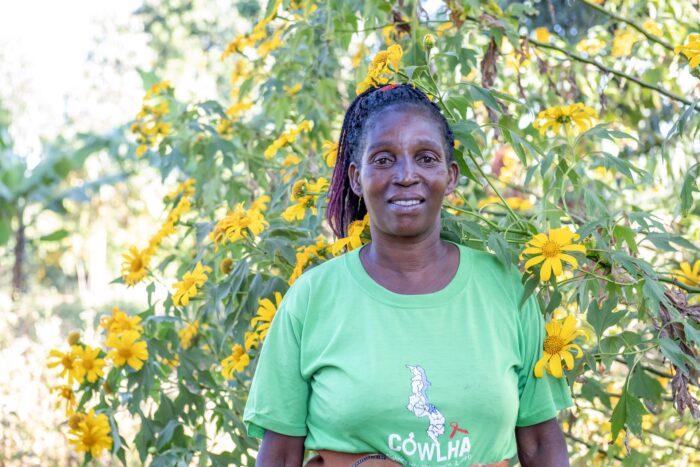
Maria Zuze knows every road, every path, every trail in the area surrounding the Thyolo District Hospital in southern Malawi.
Fifteen years ago, Maria was trained as a mentor mother through the Coalition of Women Living with HIV and AIDS (COWLHA) and has dedicated her life to seeing a day when no child in Thyolo is born with HIV.
COWLHA is a women-led civil society organization that operates across Malawi to create a united voice of women and girls living with HIV in addressing the challenges affecting them, though it now struggles because of funding cuts from international donors.
Maria, age 47, is a mother living with HIV who brings her personal experience and the advice of an older peer.
Maria’s Journey
As a teenager, members of Maria’s community spoke loudly in her presence about her appearance, saying that she had caught the “slim” plague—so named because of the appearance of people wasting away. Maria battled illnesses, and her skin was frequently infected, causing people to shun her. She recalls an elder looking directly at her and saying, “You are HIV-positive. You are going to die.”
Maria did not get tested for HIV until 2004, at 18, whereupon the suspicions of neighbors was confirmed. She was living with HIV. Although antiretroviral medication had slowed HIV-related disease and deaths in rich countries like the United States, there was no available treatment in rural Malawi at that time.
“I was the first person in the village to be diagnosed with HIV, Maria says. “Everyone was discriminating against me.” She realizes that there were others in the community who were hiding their HIV status, but as the only person openly living with HIV, she became a lightning rod for the fear that HIV evoked.
She felt alone as her thoughts circled around the specter of an early, painful death. She would not know love. She would not have children.
Fortunately,Maria did find others who understood what it felt to be outcast. She was connected with the National Association for People Living with HIV and AIDS in Malawi (NAPHAM). Established in 1993, NAPHAM is the oldest HIV organization in Malawi, founded by four people diagnosed with HIV who first met under a mango tree in Lilongwe to share information and experiences—and change the public perception of HIV by speaking openly about their condition.
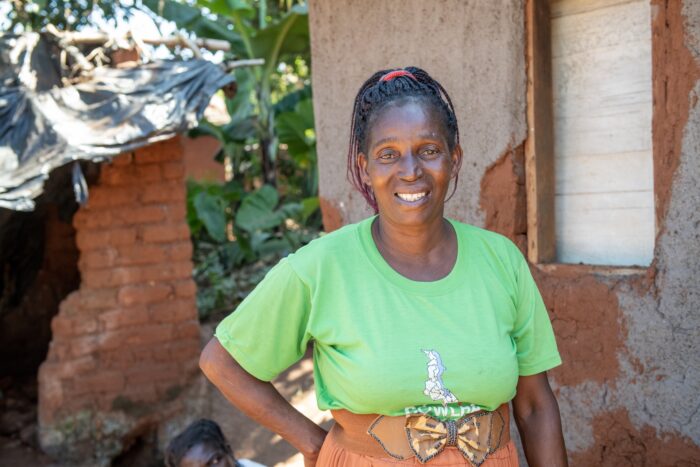
Yet, Maria struggled to accept her HIV diagnosis until 2006 when hope finally arrived in Malawi through the U.S. President’s Emergency Fund for AIDS Relief (PEPFAR), rolling out lifesaving programs. Antiretroviral medications became available, first for individuals with the highest viral loads and then, eventually, to all people living with HIV. Maria’s HIV diagnosis was no longer a death sentence. 2006 was also the year that Maria was trained through Médecins Sans Frontières (MSF) as a peer mentor, to educate and counsel women who were newly diagnosed with HIV.
“It was still difficult at that time,” says Maria, “because a lot of women were not getting adequate treatment during pregnancy and children were infected through birth and dying. I saw a lot of children die.”
Adults were surviving in greater numbers because of PEPFAR programs, but children lagged behind, as has always been the case with HIV.
Then in 2011, through PEPFAR, Malawi became the first country to institute a program called Option B+, which placed all HIV-positive pregnant and breastfeeding women on lifelong antiretroviral therapy. Coincidentally, it was at this time that Maria became pregnant with her first child. Despite her deep knowledge about HIV and her role as a peer mentor, fears invaded Maria’s thoughts.
“The stigma was still there, prevailing,” says Maria. “People believed that if you have HIV, you are not supposed to get pregnant, that you are going to die. They said it right to my face.”
But Maria’s antenatal nurses reassured her that she would be OK. Maria was grateful that the health workers in the HIV clinic understood the virus and did not stigmatize her.
“I had already accepted my status by then,” says Maria.
“I checked my viral load and knew that it was suppressed. That gave me the strength to know that I would not transmit HIV to my baby. And my daughter, Joyous, was born healthy and HIV-free.”
Now a mother, Maria had the experience to go out into the community and bust myths about HIV to help other mothers have HIV-free babies. She joined the COWLHA network and hit the road as a mentor mother.
Lucy’s Long Life
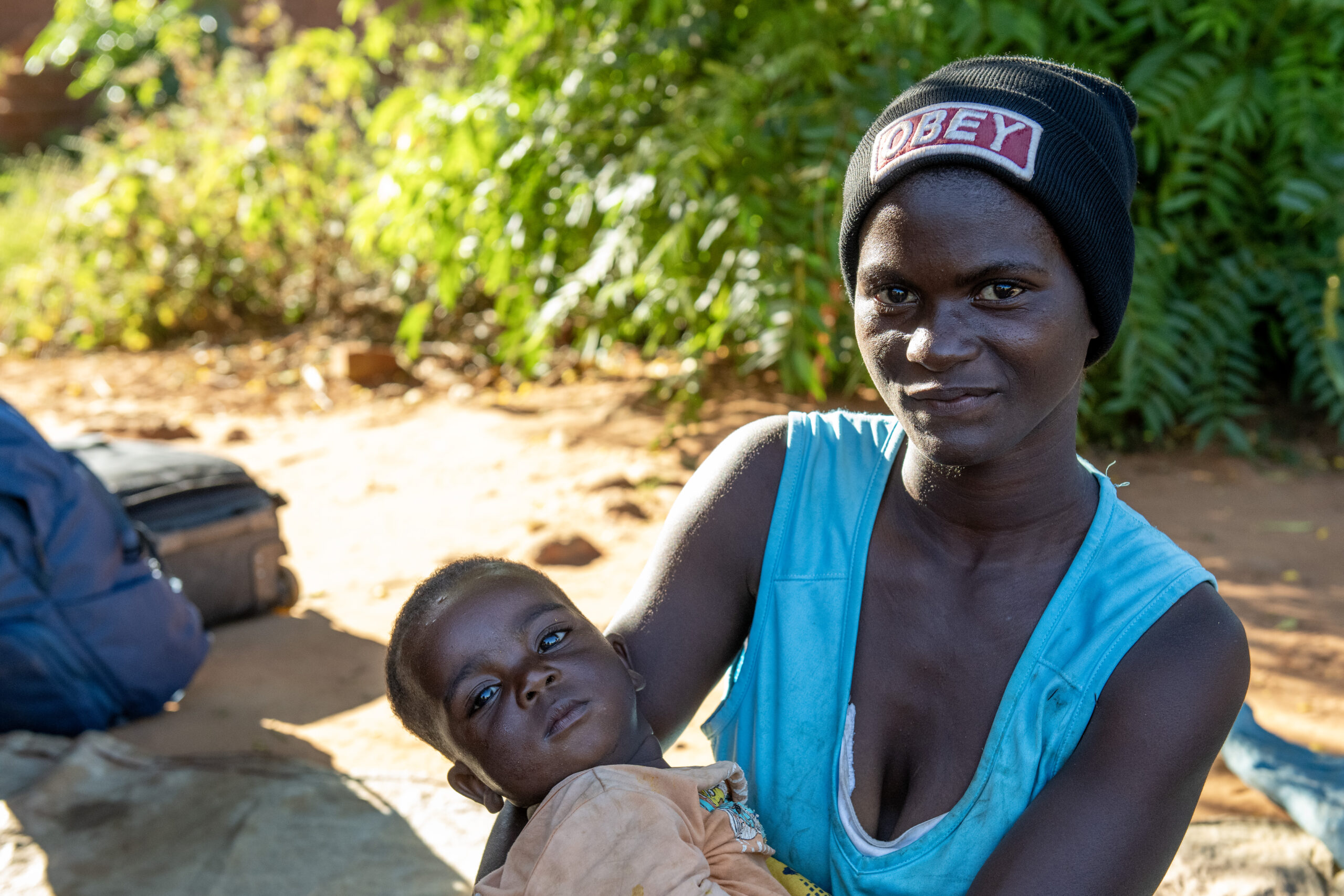
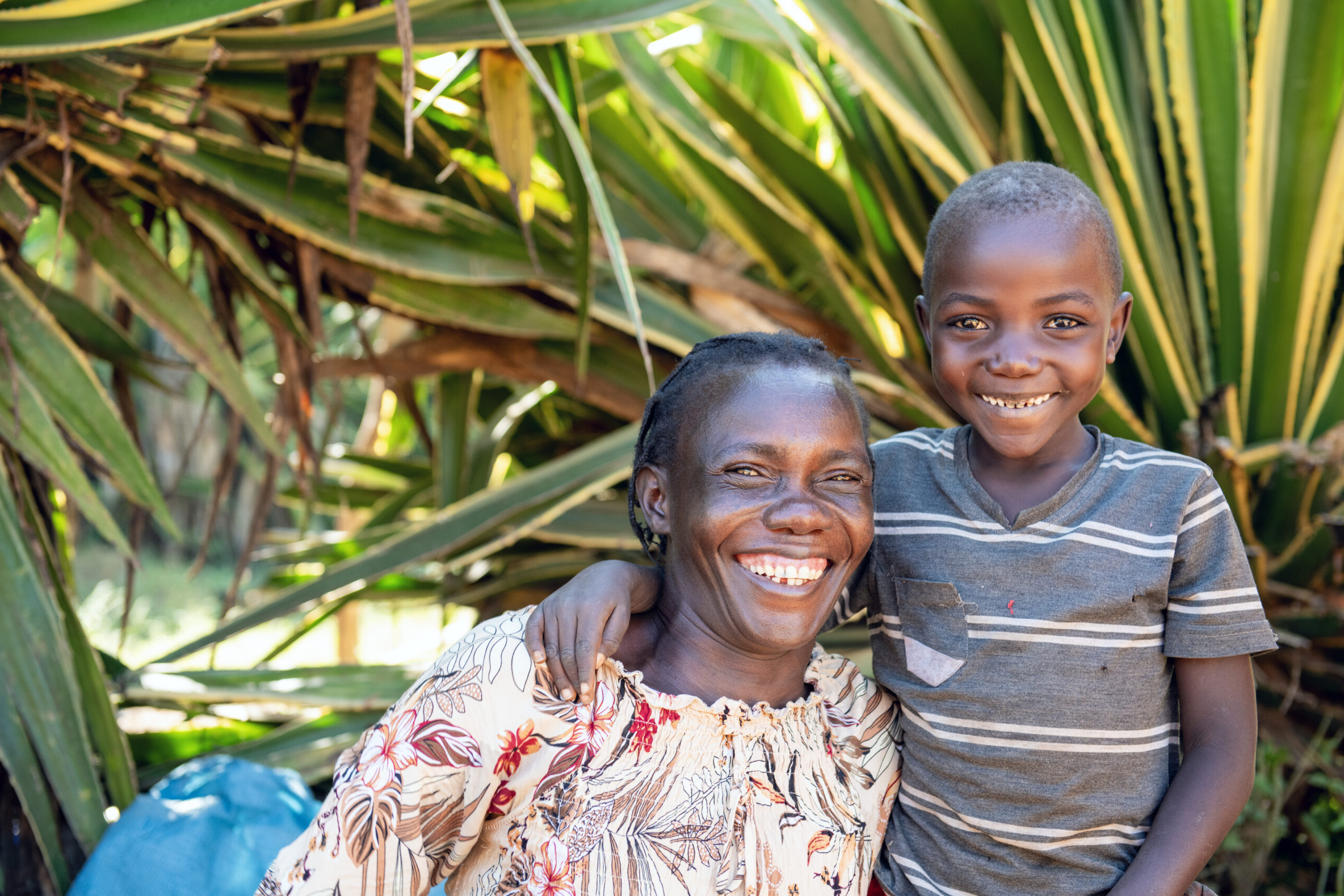
Today, Maria is visiting Elebwe, a young mother with her daughter, Lucy, at their homestead, a neat clay-brick house with a swept dirt yard. Hogs snuffle in a pen near the home. Squash vines spread across a garden, and rows of maize stand in the sun. Elebwe, like most people in this district, mostly lives off the output of her tiny farm. She also bakes treats, which she sells in the market. Like many households in the region, Elebwe is cash-poor. A village savings and loan program initiated by USAID helped her start a business which supplements the crops she grows in the garden.
This is just a friendly visit, since Lucy recently passed her 2-year mark and was certified HIV-free. It’s been almost three years that Maria has been checking in on Elebwe.
“When Maria found that I was pregnant, she checked on me to see if I understood what HIV is,” says Elebwe. “She encouraged me to get antenatal care and to get tested for HIV. That’s when I learned that I had HIV.
“Maria told me that she would take this journey with me. She said that it is possible for me to give birth to a child who is HIV-negative if I take my medication.”
Elebwe says that with Maria’s guidance, she did not have much difficulty accepting her HIV-positive status. “With understanding comes empowerment,” she says. She was committed that her own child would not face the burden of a lifelong disease.
“Without Maria, I might have been able to manage,” says Elebwe. “When you are alone, it is easier to give up when you face a dilemma. Maria always responded quickly to me and gave me advice when I needed. When you are on your own, you fear the unknown. But when someone is encouraging you, you can move forward and ignore the fear.
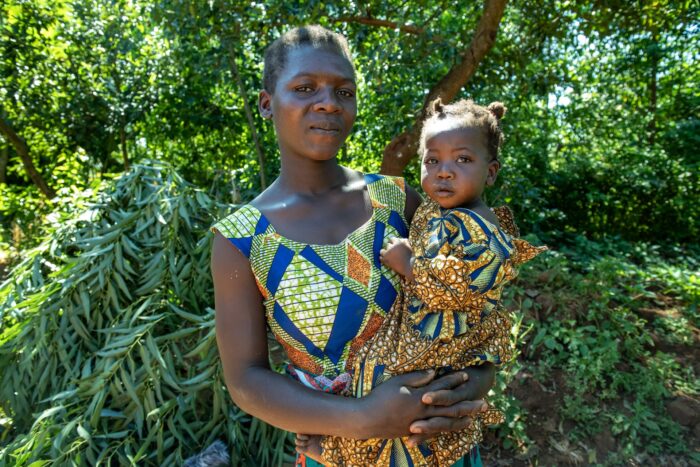
Even with all of the knowledge and encouragement, Elebwe was skeptical that Lucy could be born HIV-free. “I was very, very happy. I was surprised,” says Elebwe. “I came home from the health center and cooked a special meal of rice to celebrate.
“I was grateful that I didn’t need to start forcing my daughter to take antiretroviral medication at such a young age. I am grateful that she will have a long life.”
Elebwe smiles at 2-year-old Lucy, blithely chewing a piece of cassava, content in her mother’s arms. Elebwe was born on this homestead and hopes that someday Lucy will raise her own children here.
A Community Effort, a Global Effort
Thyolo District Hospital is surrounded by great tea plantations with waves of green spreading out like an infinite ocean. But the dirt roads and paths through the plantations lead to small villages and homesteads, nestled among the tea leaves. Most people are small holder farmers, living off of what they can grow within their homesteads or hiring themselves out to work the plantations.
Most households are cash poor. Even bicycles are a luxury. And women may live as far as 40 kilometers (25 miles) from the hospital. This is 10 hours of walking each way.
“There is an area called Thekerani where women have to cross four rivers to get to the facility,” says Maria. “Sometimes in the rainy season, you have to wait until the water levels are low.” It takes encouragement and commitment to make that trek while pregnant or carrying a small child. A mentor mother can help.”
It has become much more rare for a child to be born with HIV in the district because of PEPFAR funding, says Maria. The antenatal and mother-infant units at Thyolo District Hospital are staffed by health workers with the Elizabeth Glaser Pediatric AIDS Foundation (EGPAF), paid through PEPFAR funding. Those health workers, then, rely on peer mentors like Maria who can go out into the community and connect individuals to care.
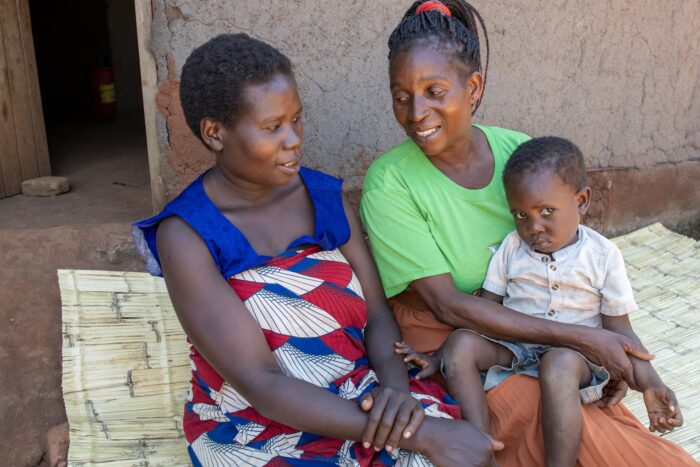
Maria figures that she provides peer services one way or another to about 500 women each year. Coordinating with health workers at Thyolo District Hospital, she seeks out expectant women to make sure that they have been tested for HIV, and she coaches women living with HIV through their pregnancy and breastfeeding. She counsels them at the clinic, in their homes, and over the phone to make sure that they stay on their antiretroviral treatment so that their children will grow up HIV-free.
When asked how many children in her community are HIV-free because of her outreach, Maria shakes her head. “Multitudes,” she says. “I cannot count them.”
“Because of PEPFAR and EGPAF, we have been able to follow these clients because we can’t, follow up with the defaulter if we don’t have funds,” says Margaret Soka, a linkage nurse with the mother-infant clinic at Thyolo District Hospital.
Maria says that international funding cuts have reduced women accessing services. With the Stop-Work order in January 2025, staff working at the mother-infant clinic had to pause their activities. Although this particular clinic has resumed, at other facilities throughout the region, HIV staff and programs have been cut. This has created an atmosphere of apprehension.
“At some facilities, there is no specialized care for women living with HIV,” says Maria. “Previously, women felt protected. But now the service provider to patient ratio does not tally. And that is demotivating for many mothers. Even where there are services, women don’t know when they are going to end.”
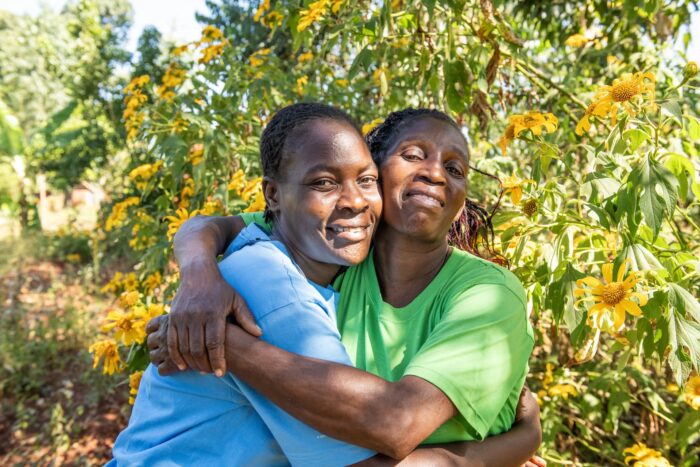
And community work, like mentor mother programs are also up against the ropes. Mothers2mothers, a South African-based mentoring organization for women living with HIV pulled up roots in Malawi because of funding cuts. COWHLA is struggling to maintain its community health work.
“HIV cannot be addressed solely by stocking health centers with medicines,” says Elina Mwasinga, National Coordinator of the National Association for Young People Living with HIV (Y+ Malawi), a Malawian civil society organization that empowers and advocates for the rights and wellbeing of young people living with HIV. “You have to meet people where they live and help them bridge the challenges in their lives. A woman struggling to feed several children may live a long distance from the health center. Visiting the clinic means losing a day of work. If you or your children need to take medication but there is no food in the house, you will not take the medication because it will make you sick.”
Under these circumstances, encouragement from a mentor can mean the difference between life and death.
Maria remembers the child deaths she witnessed because their mothers did not get treatment. So she will keep walking the paths of Thyolo to ensure, if she can, that history does not repeat.
“In my lifetime, I want to see that no babies here are born with HIV,” says Maria. “And that means that funding needs to continue, otherwise that day is a long way in the future.”