Introduction
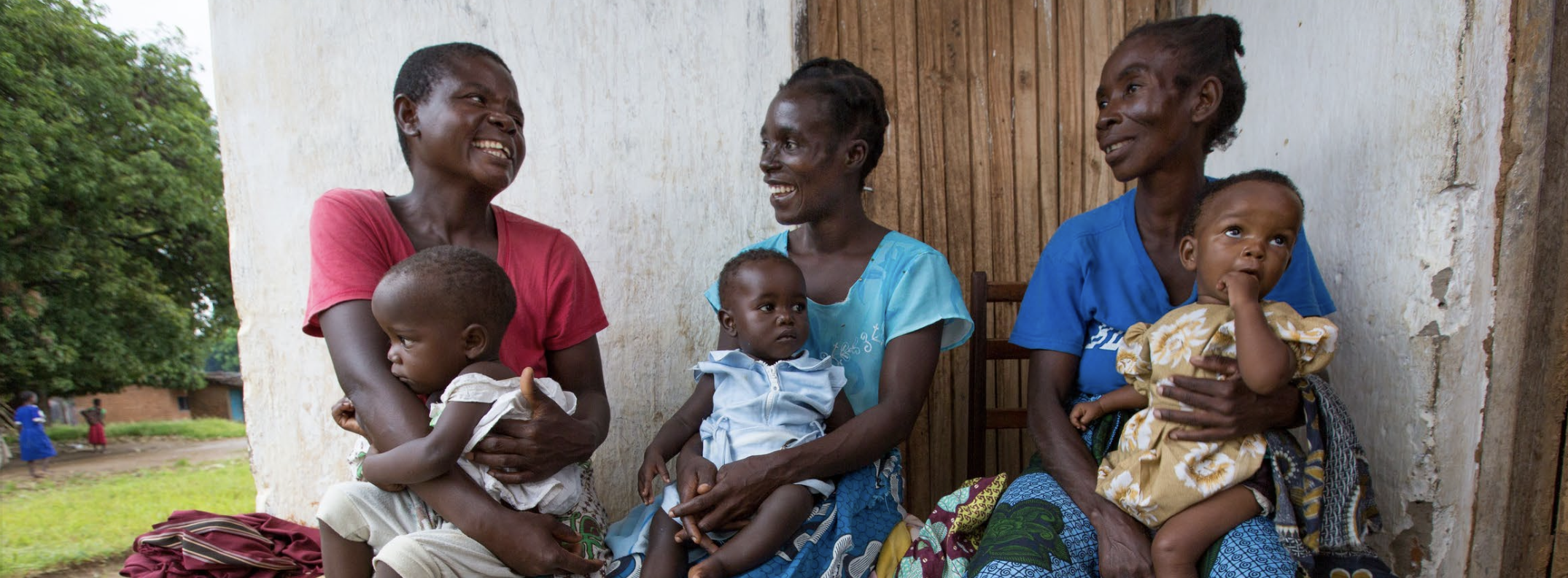
Within global health, the interconnected needs of mothers and children throughout pregnancy, labor, delivery, and the postpartum period are widely recognized; however, healthcare services are rarely designed or delivered with the mother-baby pair as a single unit of care. The mother-baby pair is key to improving maternal and child health outcomes, and vitally important to reducing the risk of HIV acquisition. Vertical transmission, also known as mother- to-child transmission, is the most common way that infants acquire HIV, and can occur during pregnancy, labor, delivery, or during breastfeeding; without intervention, a mother living with HIV has a 15 to 45% chance of transmitting the virus to her baby. Because HIV can be passed from a mother to a child at any point from pregnancy through the end of breastfeeding, it is essential to treat the mother and baby as a pair to improve HIV, maternal health, and pediatric health outcomes.
This policy brief examines the significance of following the mother-baby pair in HIV care and underscores the remaining challenges that exist between the pre- and postnatal periods. It addresses gaps where the mother and child fall out of care, highlights the benefits of treating the mother and the baby as a pair, and gives recommendations for U.S. policy makers to support women and children, particularly those who are also at high risk of acquiring HIV.
Current Guidance on Preventing Vertical Transmission
The World Health Organization (WHO) recommends that all pregnant women test for HIV at least once during pregnancy and as early as possible. Pregnant women who are HIV-positive should begin antiretroviral therapy (ART) immediately following diagnosis. ART, when taken as recommended, can reduce the mother’s viral load to undetectable levels and decrease the risk of transmitting HIV to her baby to less than 2%. Mothers should remain on ART for their lifetime and continue viral load checks late in pregnancy and during breastfeeding. Mothers who are HIV-negative should be retested late in pregnancy and while breastfeeding, and pre-exposure prophylaxis (PrEP) should be given to mothers at risk.
In the postnatal period, HIV testing for infants is recommended at four key points: at birth, four to six weeks, nine months, and 18 months of age or three months after the end of breastfeeding, whichever is later. If a woman maintains viral suppression through ART during pregnancy and postpartum, the risk of transmitting during breastfeeding drops to less than 1%. It is recommended that mothers on ART breastfeed for at least 12 months. Infants exposed to HIV should receive at least six weeks of preventive medicines, while infants at greater risk may use these medicines as a protective measure until the mother achieves viral suppression or breastfeeding has stopped. Postpartum women should also be supported to prioritize their own health alongside that of their child, as the well-being of mother and child is inextricably linked.
Falling Through Cracks in the Healthcare System
Mother-baby pairs can fall through the cracks at any point during the pre- and postnatal period, requiring continuous monitoring and testing throughout. Attrition of care happens due to structural, economic, and community barriers, leading to gaps in diagnosis and separation from the health system. Women and children can get disconnected from the healthcare system in many ways: 1) failure to initially test mothers; 2) mothers acquiring HIV following an initial negative test; 3) late transmission during breastfeeding; 4) failure to obtain child HIV test results; and 5) no immediate linkage to care following HIV diagnosis. Gaps in care also occur due to limited testing facilities, high costs associated with testing and care, travel challenges, and weak health systems and support.
Many mother-baby pairs experience interruptions in treatment (IIT) throughout the perinatal period, impeding efforts to end vertical transmission. Some factors, such as living in rural areas, a lack of formal education, being a young mother, and drug side effects or suboptimal adherence, can all be significant predictors of interrupted care. Mother-baby pairs who drop out of care or who are disconnected from the health system have decreased access to HIV care and treatment, which can increase maternal HIV and AIDS-related illness and death, lead to a higher risk of infants acquiring HIV from their mothers, and result in the development of drug resistance due to inconsistent use, among other outcomes. IIT can also lead to missed immunizations, growth monitoring, and supplements for the baby, and missed family planning support, infant feeding counseling, mental health check-ins, and cervical cancer screenings for the mother.
These gaps in access and quality of care have been worsened by recent cuts to HIV services. For example, although the U.S. government directed that prevention of vertical transmission services continue, broader funding cuts led to a disruption of services according to 63% respondents of a recent survey; 22% of the surveyed organizations stopped providing prevention of mother-to-child transmission services entirely.
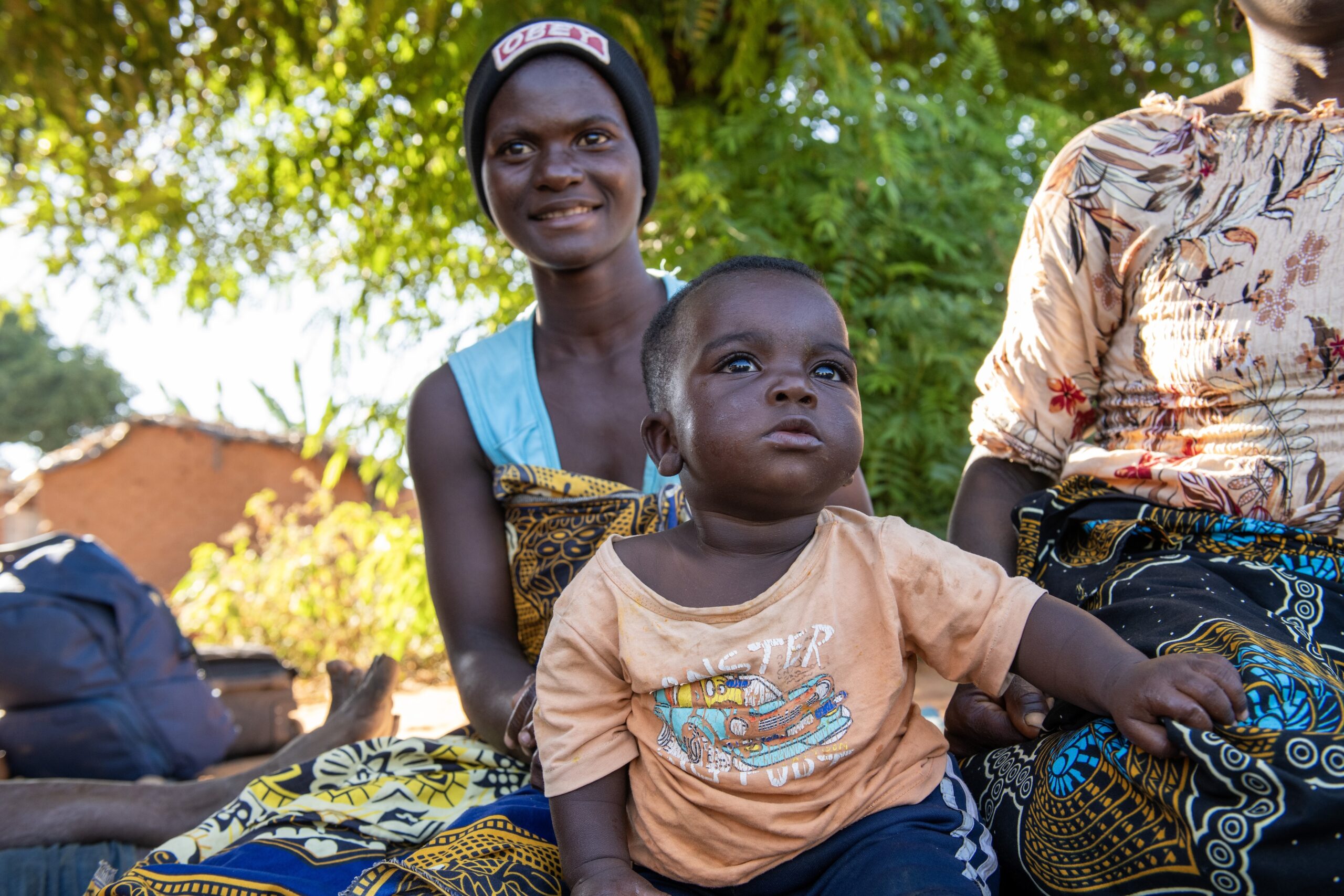
Supporting the mother-baby pair along the health cascade has been a central component of EGPAF’s work, with the organization prioritizing the retention of mother-baby pairs through treatment management, adherence and psychosocial support, and finding children who are missed when their mothers drop out of care or acquire HIV while breastfeeding.
In 2025, EGPAF-supported clinics provided vertical transmission- prevention services for 607,512 pregnant women, and staff supported and tested more than 30,000 infants exposed to HIV. And according to a 2023 report, EGPAF’s initiative Girl-POWER saw 94% of eligible pregnant and breastfeeding adolescent girls and young women (AGYW) initiating pre- exposure prophylaxis (PrEP), and 98% re-testing in Girl-POWER facilities as compared to 19%-64% prior to the intervention.
Impact of Mother and Child Service Linkages
Because the health of the mother and baby are inextricably linked, treating the pair as a unit reduces missed opportunities for key interventions. For example, it minimizes the travel strain put on the mother or family and creates more person-centered care where both the mother and baby’s health needs are met in one visit, or where possible, one consultation.
The year after birth holds many risks for mothers, including hypertension and cardiovascular risks, mental health challenges, and an increase in intimate partner violence, anemia, and poor nutrition, among others. It is also a period where mothers have particular contraception and birth spacing needs. If the health of the mother declines, evidence shows similar declines in her child’s health outcomes can occur due to missed appointments, inconsistent medical treatment, and the mother’s decreased ability to both care for her child and navigate the health system.
Linking the mother and baby in scheduled child wellness visits is important for accessing prevention of vertical transmission services. Additionally, studies show that the health status of a mother or primary caregiver with HIV is closely associated with the ability of a child with HIV to consistently suppress the virus. Continuous care after delivery can help women maintain ART adherence and ensure that the mother’s health is not deprioritized during the difficulties of the postpartum period. However, many women, even in high- income countries, only have one follow up visit at six weeks postpartum, while there can be six to eight pediatric care visits in the first year, even for healthy children. Treating the mother and baby as a pair gives more opportunity to ensure both are thriving, as follow-up appointments and testing are key to capturing new infections among mothers and breastfeeding children.
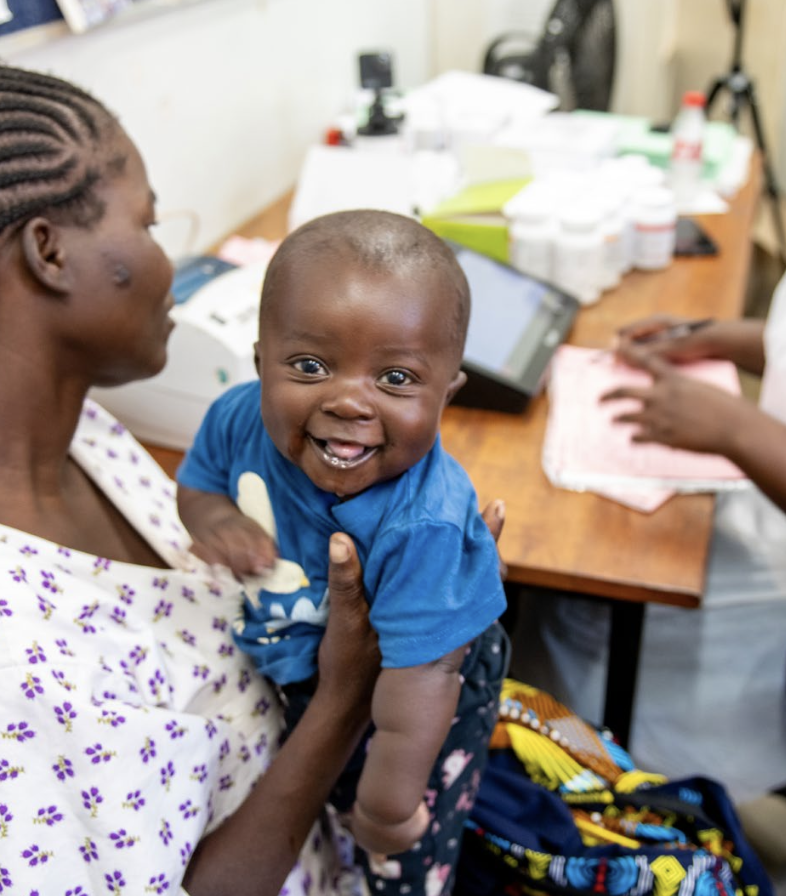
Margaret Soca is a linkage nurse working for EGPAF at the mother-infant clinic at the Thyolo District Hospital in Malawi. The hospital tests women for HIV at antenatal visits. Those who test positive are enrolled in a prevention of mother-to-child transmission program and monitored to ensure that their viral load is suppressed throughout pregnancy.
After birth, the newborn immediately begins prophylaxis and is tested for HIV; joins the mother every three months at the mother-infant clinic for a check-up for the first two years; and is retested for HIV every six months. Even after the baby is weaned, staff follow up with mothers until the child is three years old.
“My greatest joy is to have the HIV-positive mother being followed up in the program with the baby. And then at 24 months, the baby being discharged uninfected,” says Nurse Soca. “That’s the good news, which I will celebrate.”
Additionally, the mother-baby pair structure helps support integrated HIV and pregnancy care. Research shows that combining HIV prevention strategies into routine pregnancy care can lead to reduced numbers of HIV-negative mothers who later acquire HIV during pregnancy and postpartum, as well as improved maternal and infant testing and ART retention. Integrating health services in pregnancy care can also extend beyond HIV to improve multiple health and service delivery outcomes, including increased access to family planning services among populations with an unmet need. The WHO has also pushed for integrating service delivery in pregnancy care via its triple elimination strategies: simultaneously preventing vertical transmission of HIV, syphilis, and hepatitis B.
Research has focused on ways to utilize mother-baby linkage to minimize the number of mother-baby pairs who fall through the cracks. In Eswatini, the deployment of Community Focal Mothers (CFMs) improved the likelihood that mother-baby pairs continued to receive integrated maternal and child health and HIV services. The CFMs were trained to provide proactive community-level follow up of mother-baby pairs regardless of HIV status, visiting mothers with new babies at their homes to create plans to attend child welfare visits. This model helped reduce concerns of HIV stigma and accidental disclosure, and helped increase the use of HIV and maternal, newborn, and child health (MNCH) services. Another study found retention in care was improved by strengthening three broad areas of care: 1) greater quality of care, laboratory improvements, and service integration; 2) an enhanced role for community health workers and increased involvement of male partners; and 3) strengthened health information through data reviews, the use of appointment diaries, and better communication and patient tracking methods.
Recommendations:
The following recommendations provide a framework for U.S. policymakers to improve HIV prevention, diagnosis, and treatment efforts for women and children through the mother-baby pair structure:
Prioritize integrated mother-baby service delivery models to eliminate vertical transmission and improve maternal and child health outcomes. Support models in which mother and baby are seen at the same visits through the end of breastfeeding. Follow a triple elimination approach to prevent vertical transmission of HIV, syphilis, and hepatitis B by integrating care into a single service platform.
Protect funding for the delivery of services to ensure access to quality HIV and maternal and child health care. Funding should cover health workers, supply chains, laboratories, health facilities, and community health programs to provide continuous access to prevention and treatment, strengthen health systems, and protect women and children during global health funding disruptions.
Strengthen HIV testing and retesting throughout pregnancy and breastfeeding and expand PrEP access for pregnant and breastfeeding women at risk of HIV. Support the recommended testing schedule for HIV-exposed infants and ensure results are promptly returned to caregivers for follow-up. Women who test HIV-negative early in pregnancy should be retested late in pregnancy and during breastfeeding to catch new infections. Each positive diagnosis for mother or child should be directly linked to treatment.
Invest in community-based follow-up programs for mother-baby pairs. Scale up proven community-led care models to better support community health workers and prioritize mothers most likely to experience interruptions in treatment, including younger mothers and those in rural areas. Where relevant, encourage male partner involvement.
Invest in research on the mother-baby pair to better understand the impact of integrating service delivery across the perinatal period and beyond. Reinvigorate research that follows mother-baby pairs through at least one year postpartum to compare maternal and child outcomes when mother and child are paired versus siloed within the health system and to define where integrated service delivery proves most beneficial to maternal and child health.
Fund innovation in linked health information systems that tracks the mother and baby as a pair across different health care settings throughout the postpartum period. Support data systems that connect maternal and child health records, so that a missed appointment or an interruption in treatment for either one prompts a follow-up for both.
To view acknowledgements and endnotes, download the brief here.
More from Common Ground for Global Health:
Access our policy briefs, one-pagers, and landscape analysis to learn more about pediatric and adolescent HIV.
Issue Briefs
Common Ground for Global Health Policy Brief: Pediatric HIV
Published June 2026
Topics:
Advocacy,
Pediatric HIV
Countries:
Global
Issue Briefs
Common Ground for Global Health Policy Brief: Adolescent HIV
Published August 2026
Topics:
Adolescents,
Advocacy,
HIV,
Pediatric HIV
Countries:
Global
Resource
Protecting Lives, Sustaining Progress
Published March 2026
Topics:
Advocacy,
Children,
Global Health Security,
Health System Strengthening,
HIV,
Maternal and Child Health,
Mothers and Infants,
Women
Countries:
Global,
United States
Resource
Get the Facts About Pediatric and Adolescent HIV
Published October 2026
Topics:
Adolescents,
Advocacy,
Children,
HIV,
Pediatric HIV
Countries:
Global