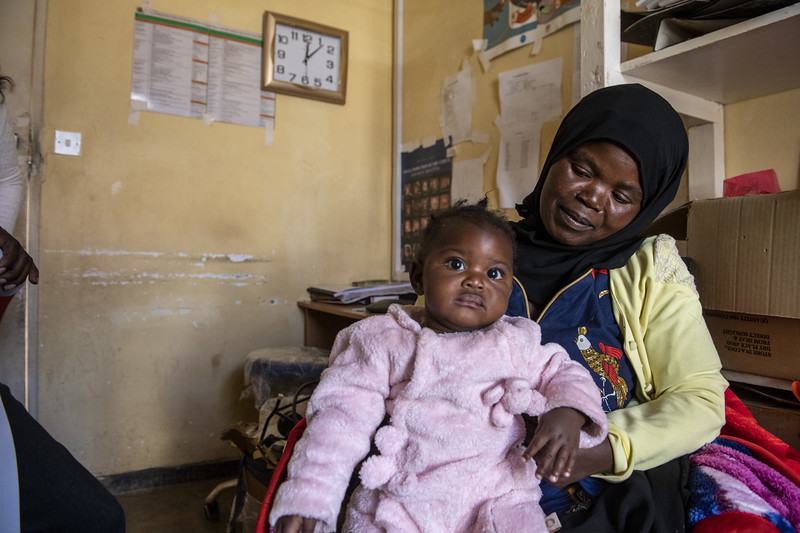
The next chapter of PEPFAR must keep children at the center.
How it Started: Protecting Mothers and Babies
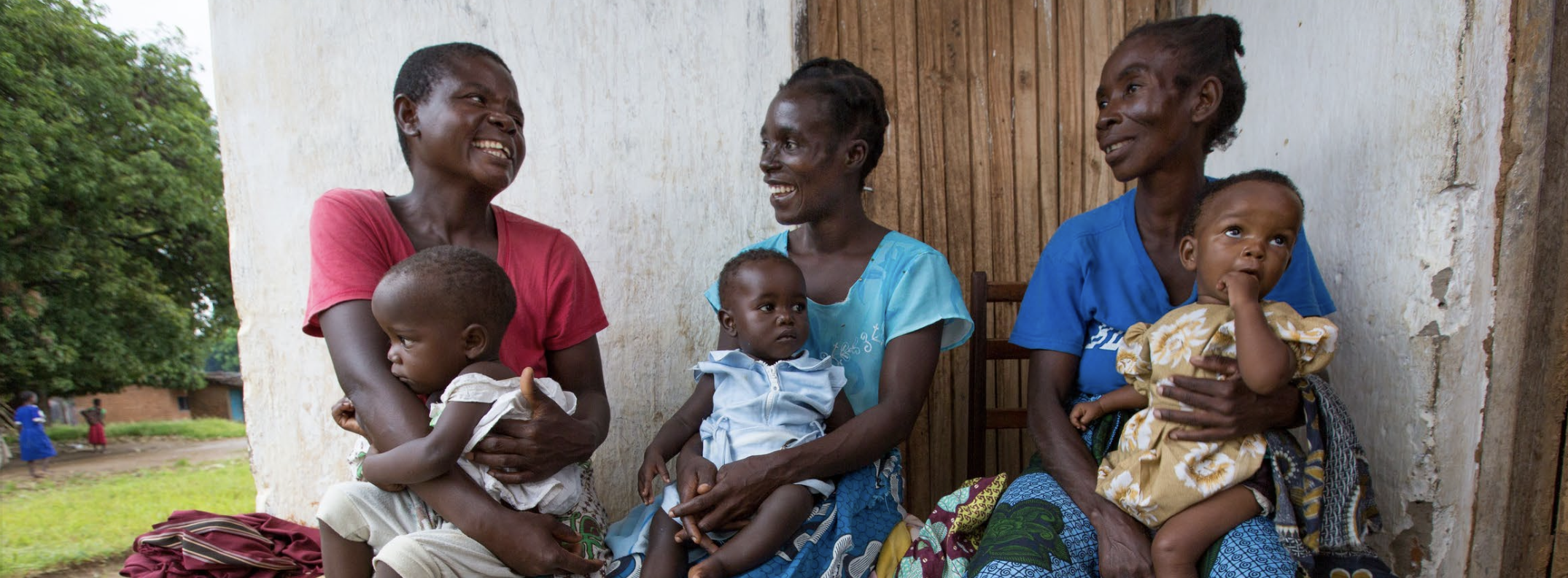
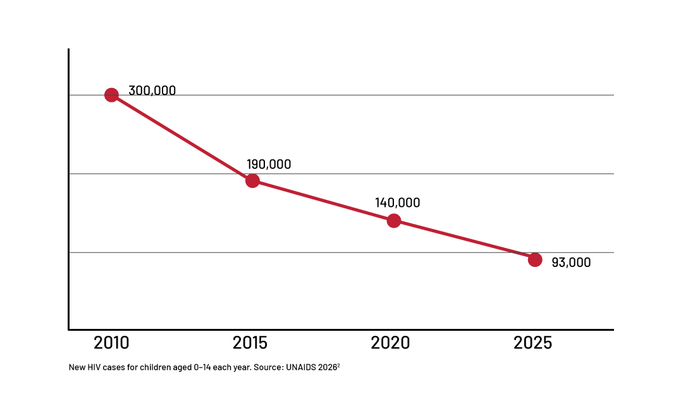
In 2002, about 720,000 babies acquired HIV during pregnancy, delivery, or breastfeeding, which is known as mother-to-child or vertical transmission. The consequences were deadly: without treatment, half of children living with HIV died before their second birthday. Providing antiretroviral therapy (ART) and access to support services to women living with HIV has since sharply reduced new childhood infections and is central to prevention of mother-tochild transmission (PMTCT) strategies.
The Elizabeth Glaser Pediatric AIDS Foundation (EGPAF) proved PMTCT could work at scale. In 1999, its privately funded Call to Action project opened programs in Africa and Thailand and went on to reach nearly 4 million pregnant women in 14 countries.
In 2002, with bipartisan backing led by Senators Frist and Helms, President Bush announced the $500 million International Mother and Child HIV Prevention Initiative, the first effort of its scale by any government. Seven months later, he proposed going further: $15 billion to treat adults and children. That proposal led to the creation of the U.S. President’s Emergency Plan for AIDS Relief (PEPFAR).

The Unfinished Job: Children are Falling Behind
About 1.3 million children under 15 live with HIV, and they trail adults at every step of care.
- Finding them: only 65% of children with HIV are diagnosed, vs. 88% of all people with HIV. Infants need special lab tests until about 18 months old.
- Treating them: 55% of children with HIV are receiving treatment, vs. 79% of adults.
- Where the gap is: 83% of new child HIV cases occur in PEPFAR’s core African regions.
Many children acquire HIV during pregnancy, delivery, or breastfeeding.
The Evolution of How PEPFAR Reached Children
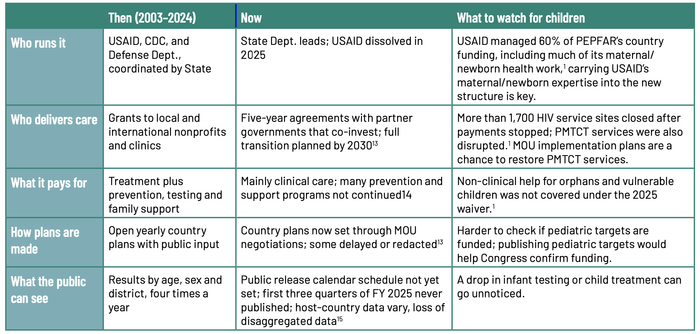
PEPFAR was built as a humanitarian public health program run by many partners. Funds flowed through USAID, the Centers for Disease Control and Prevention (CDC), and the Department of Defense. Local and international nonprofits, faith groups, and clinics delivered care.
- Treatment: daily HIV medicine (antiretroviral therapy, or ART) that keeps people healthy and, when taken by pregnant women, also protects the baby.
- Wraparound support: testing, prevention, and support for orphans and vulnerable children to help families stay in care.
- Hard-to-reach groups: outreach to people who have difficulty accessing public clinics due to cost, travel, stigma, family obligations, or other challenges.
- Public data: results by age, sex, and district, historically posted four times a year, allowing Congress, implementors, and advocates to spot a stalled program or a clinic out of medicine.
A New Country-Led Model
The America First Global Health Strategy (Sept. 2025) shifts PEPFAR and the U.S. global health portfolio toward five-year Memorandum of Understanding (MOU) agreements, in which partner governments co-invest and take more responsibility, building on PEPFAR’s long-standing goal of country ownership. Congress has kept funding near prior levels: $4.8 billion in FY 2026. Currently, 36 MOUs have been signed (as of November 9, 2026). We need to ensure that money keeps reaching children.
Recommendations for Congress
Congress put children at the heart of PEPFAR and continues to fund that commitment. Three steps would keep children at the center:
Build age-based data into the new model. Make quarterly public reporting on infant testing, child treatment and PMTCT a standard part of MOU implementation and publish the missing FY 2025 data.
Make children visible in the implementation of every MOU. Ask the State Department to show PMTCT and pediatric targets, the U.S. funds behind them, and each country’s co-investment.
Set countries up to succeed for children by 2030. Include pediatric and PMTCT benchmarks among the milestones for full country ownership, so countries take over programs that are working for children.
To view acknowledgements and endnotes, download the brief here.