Published in this latest issue of the New England Journal of Medicine, this article recounts the lessons we’ve learned in addressing the HIV pandemic in Africa and how those lessons could and should be used to inform COVID-19 vaccine access in Africa. Infrastructure, stigma, acceptability of treatment/vaccines, and delays in safety of drugs among pregnant women and children have long stagnated progress in HIV elimination, and these factors will also affect COVID-19 prevention in low-income countries.
Explore Related Resources
Journal Articles
Learning through story: how peer-led support groups use storytelling to empower adolescents living with HIV in Côte d’Ivoire
Published September 2026
This evaluation, conducted in health facilities in Abidjan, Côte d’Ivoire, explored the acceptability of peer-led support groups using a ten-topic curriculum and a ‘storytelling’ model in which fictional or real-life scenarios were used to make information more relatable and encourage discussion and sharing of personal experiences.
View Resource
Topics:
Adolescents,
HIV,
Research
Countries:
Côte d’Ivoire
Resource
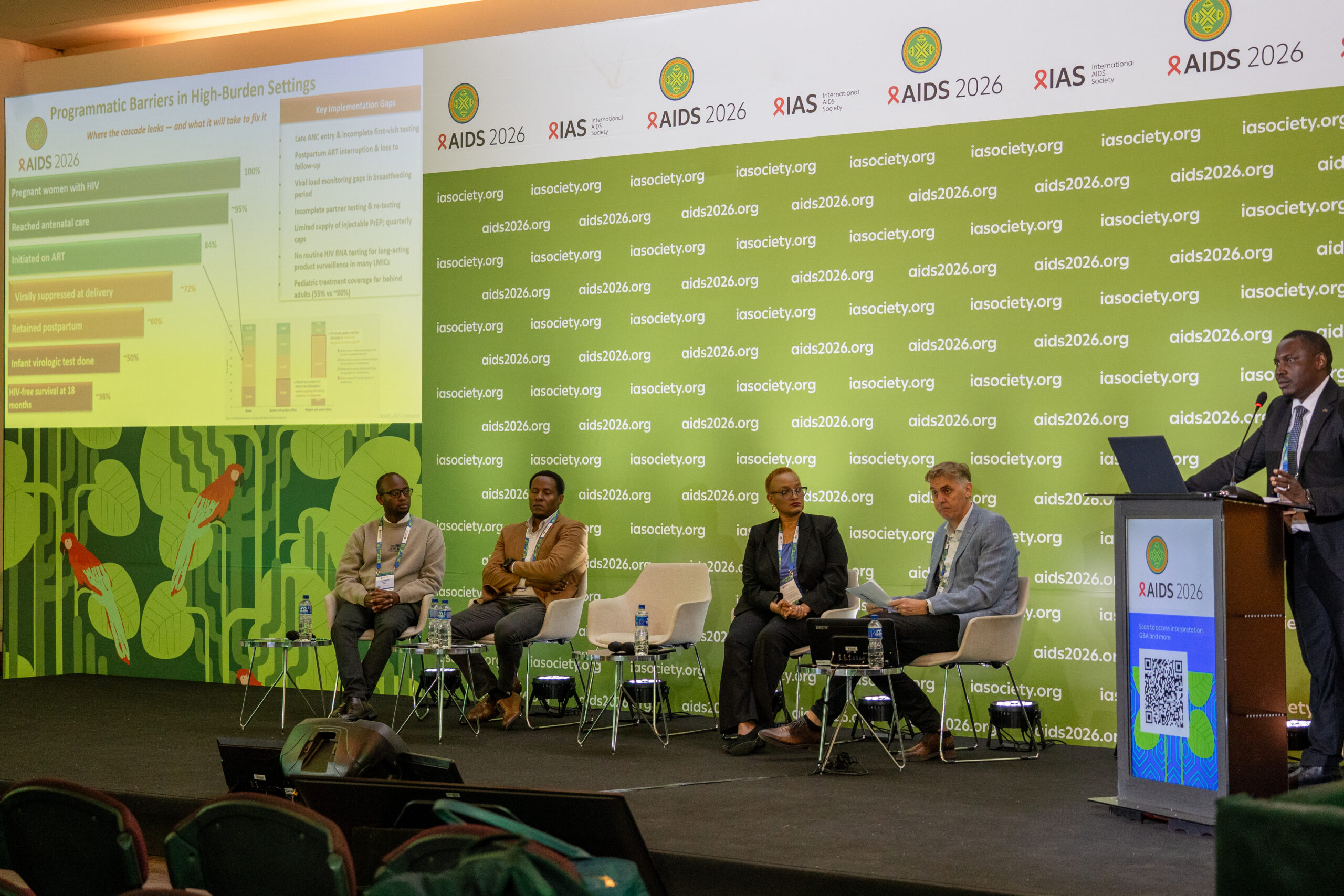
Research Review: Pediatric and Maternal HIV at AIDS 2026
Published September 2026
After reviewing the research on pediatric HIV presented at AIDS 2026, here is how we are putting these findings into practice.
View Resource
Topics:
Adolescents,
Children,
Maternal and Child Health,
Mothers and Infants,
Pediatric HIV,
Research
Countries:
Global
Poster
Programmatic Gaps Under Option B+: Factors Associated with Residual Vertical HIV Transmission in Malawi, 2020 – 2024
Published August 2026
In our study, vertical transmission was strongly associated with lack of ART at delivery and unsuppressed maternal viral load.
View Resource
Topics:
Prevention of Mother-to-Child Transmission (PMTCT),
Research
Countries:
Malawi