One day, somewhere in this world, a baby will be born with HIV. And that baby will be the last.
Think about that.
We have the knowledge, the science, and the tools to make that future possible. And when you know something is possible, the question is no longer, can we? The question becomes, will we?
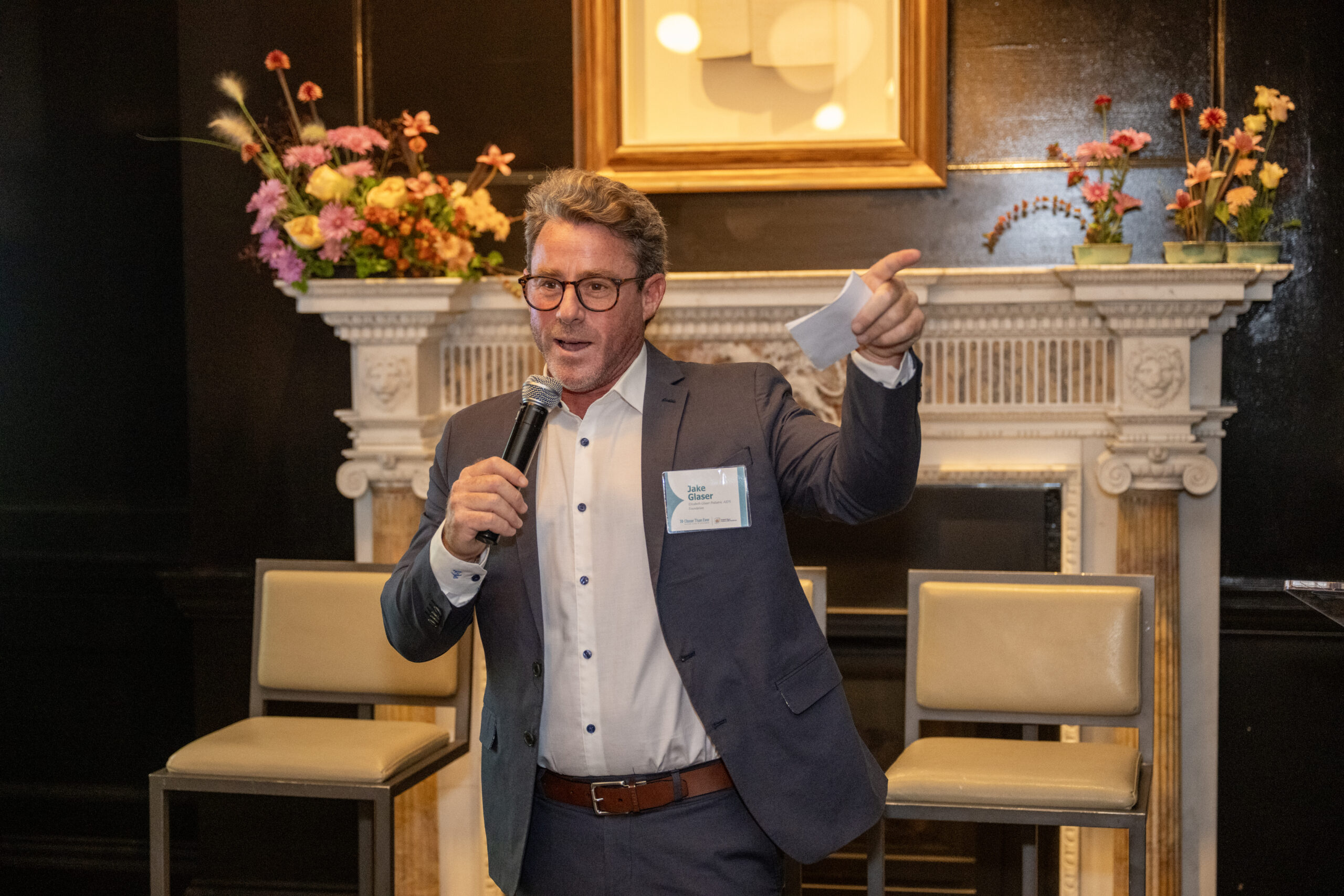
My name is Jake Glaser. I was born with HIV. My sister, Ariel, was born with HIV. And my mother, Elizabeth Glaser, helped spark a movement because she refused to accept that the future of children like us had already been written.
Ariel left this world when she was just seven years old. My mother, six years later. I’ve spent my life watching the impossible slowly become possible.
When my mother began this fight, the science was limited, the fear was overwhelming, and stigma shaped the way the world understood HIV. Today, we live in a radically different world.
We’ve made extraordinary medical breakthroughs. New HIV infections and AIDS-related deaths among children have fallen 83% since the epidemic’s peak. We have tools my mother could only have dreamed of.
And yet, every day, another 250 children acquire HIV. Science has evolved. Have we?
I’ve lived through decades of stigma, misinformation, fear, and extraordinary progress. And while medicine has changed, too many of the barriers that stood in our way decades ago still exist today.
Ending AIDS in children will take more than medicine. It will take the courage to rethink how we educate, how we communicate, how we reach communities, and how we confront the stigma that continues to shape people’s lives and offer new paths free of those past beliefs.
It means recognizing that healthcare is not a privilege reserved for the fortunate. It is a human right.
No child’s chance at a healthy life should depend on where they’re born, what their family earns, or the circumstances they’re born into.
And it means being willing to challenge ourselves, too. Our institutions. Our strategies. Our assumptions. Even the ways we’ve always done things. Because the tools that brought us this far may not be enough, on their own, to take us the rest of the way.
I think about my mother often, and I wonder what she would feel about where we are today. She would be incredibly proud of what EGPAF, its partners, and generations of supporters have accomplished.
But I also think she’d be impatient. Because she understood something that I believe we must never forget:
Progress means very little to the child it hasn’t reached.
We’re living in a moment when people around the world are asking themselves what they believe in. We’re finding our voices. Standing up for our values. Making choices about the future we want to create.
Through our votes, our voices, our actions, and the causes we choose to stand behind, we’re reminding ourselves that the future isn’t something that simply happens to us. It’s something we help shape.
And I believe this moment is asking something of all of us. Not just whether we care. But what we’re willing to do with that care. Not just whether we believe a better world is possible. But whether we’re willing to challenge what stands in its way.
We’ve come too far to accept almost. Together, you, me, and all of those dedicated to a better world deserve this win. To live it, to feel it, to know it in our bones that we can.
That’s what Closer Than Ever means to me. Not that our work is nearly done, but that we’re closer to a future generations before us could only dream of.
EGPAF’s $25 million campaign is an opportunity to accelerate that progress. But raising money alone isn’t the finish line.
The finish line is a world where children and families have access to the healthcare, education, understanding, and support they deserve. A world where an HIV diagnosis doesn’t define someone’s worth, limit their potential, or determine their future. A world where we don’t simply celebrate scientific progress, but make sure that progress reaches the people who need it.
Ending AIDS in children requires more than advancing medicine. It requires advancing humanity. And that responsibility belongs to all of us.
I want you to think about a time when you saw a future you once believed was impossible. Maybe someone believed in you. Maybe someone gave you a chance. Maybe someone simply refused to give up. Every one of us has a story like that.
Now imagine what it means to be that person for someone else. To be part of giving a child a future they might never have had. To be part of a generation that doesn’t simply inherit the progress of those who came before us, but has the courage to carry it further.
Because here’s the uncomfortable question I keep coming back to: What would we say to the next generation if they asked us why we stopped when we knew we could go further?
My mother didn’t accept the limitations the world placed in front of her. And I don’t believe we should accept the limitations we place on ourselves today.
We have been gifted an extraordinary opportunity, and with it, an extraordinary responsibility. To think bigger. To challenge ourselves. To bring more people into this movement. And to finish what generations before us started.
One day, there will be a last baby born with HIV. We may not know their name. We may never know where they’re born.
And the children who grow up in the world we’re fighting for may never know our names. They may never hear of EGPAF. But they’ll get to live it.
And to me, that’s the whole point.
Thank you for believing in what’s possible. Now let’s do everything we can to make it real.