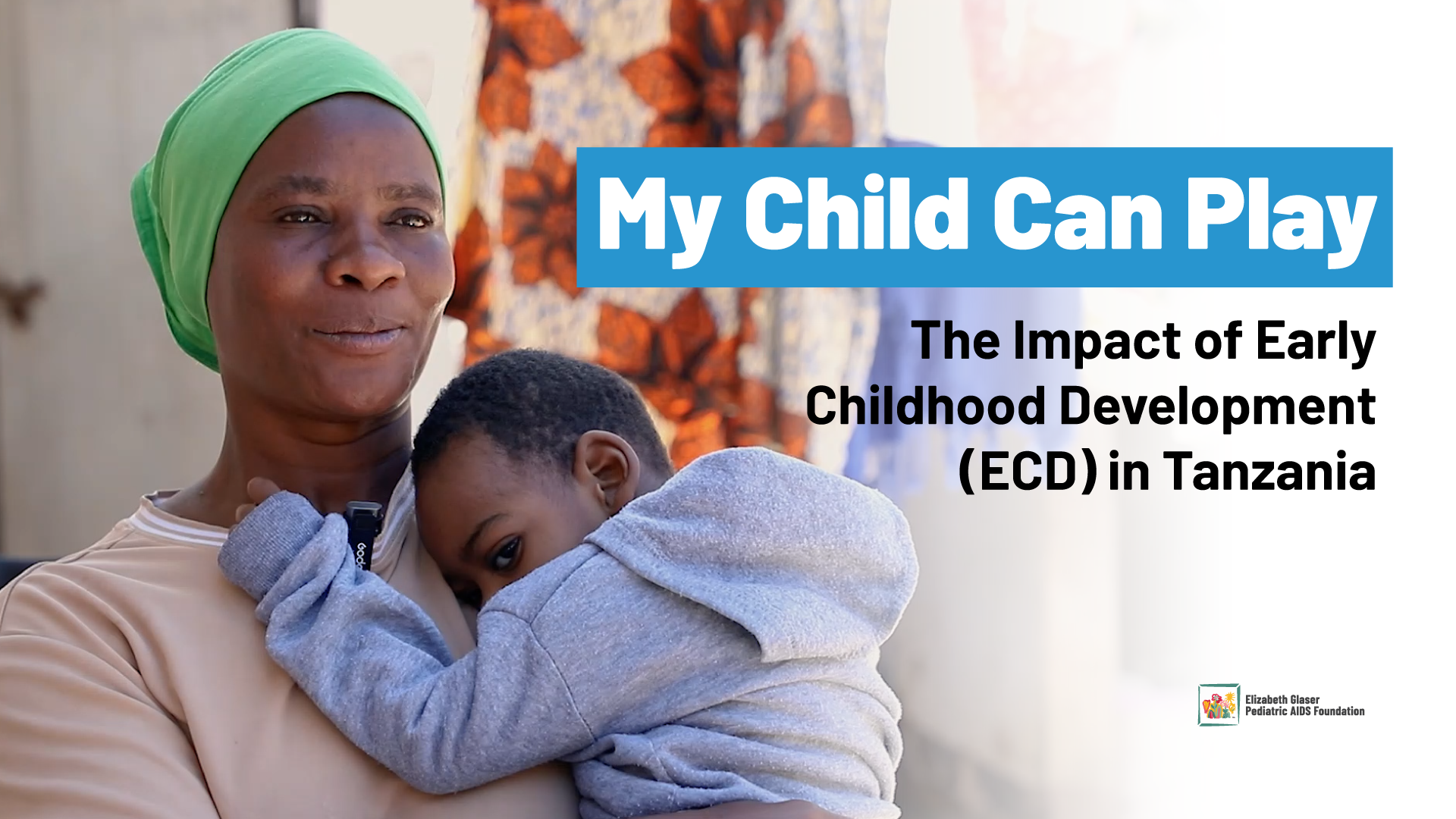
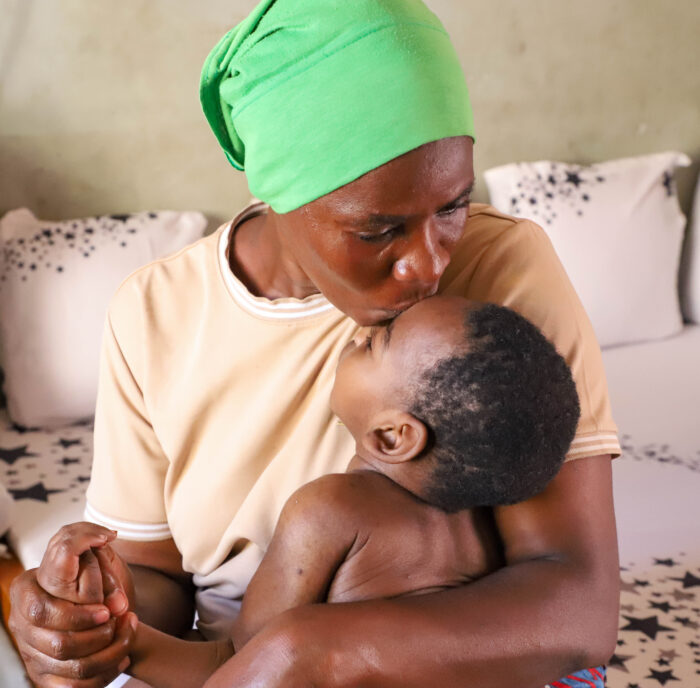
In Sombetini Ward in Arusha region, Tanzania, Munira Yasini remembers the day her son Akram was born as one of the happiest moments of her life. Like any mother, she dreamed of watching her child grow, play, and laugh. But as weeks turned into months, Munira began to notice that Akram was not developing like other children.
He could not hold his head up properly. His neck was stiff. He did not respond when called and feeding him was difficult. Even after two years, Akram was not progressing. While other children reached milestones, Akram stayed behind.
At first, Munira hoped he would eventually catch up. But as time passed, her hope slowly turned into worry, and worry into fear. She and her husband began to feel ashamed and anxious about what others might say. Afraid of judgment and mockery, they made a painful decision – to keep Akram inside the house.
Akram became a family secret.
Though they knew there were special centers that could support children like him, when they tried to seek help, they discovered the costs were too high. With limited resources, they felt trapped. Munira began to lose hope. At times, she admits, she felt like giving up. Because of financial hardship and lack of knowledge, she often fed Akram only porridge, unaware of how important proper nutrition was for his development.
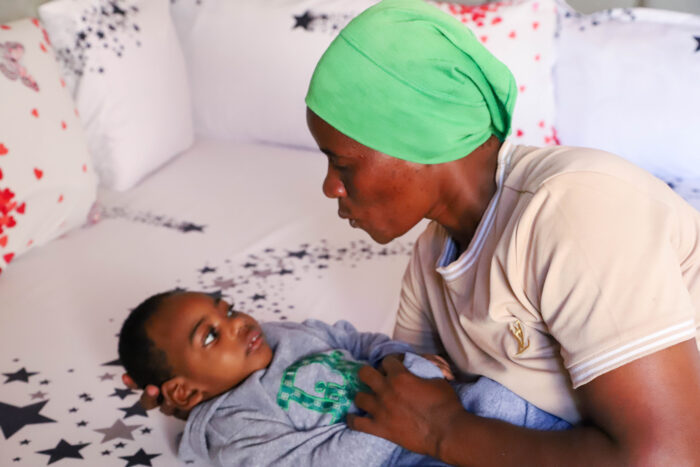
Help Comes to the Door
Then one day, everything began to change.
During her routine household visits, a community health worker, Prisca Lukindo, came to Munira’s home. At first, Munira was hesitant to share her situation. But Prisca’s kindness and patience-built trust, and eventually Munira opened up about Akram.
For the first time, someone truly listened.
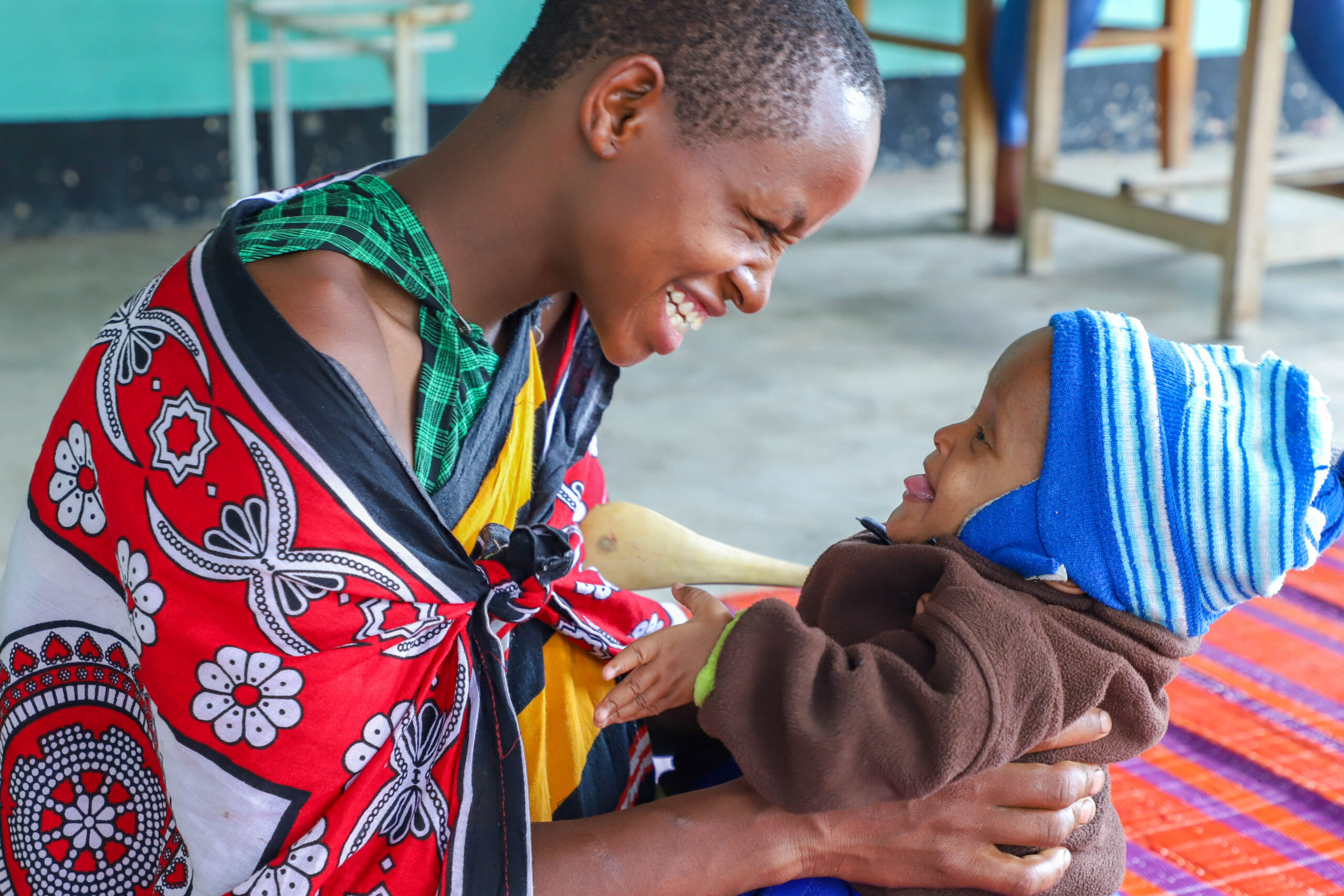
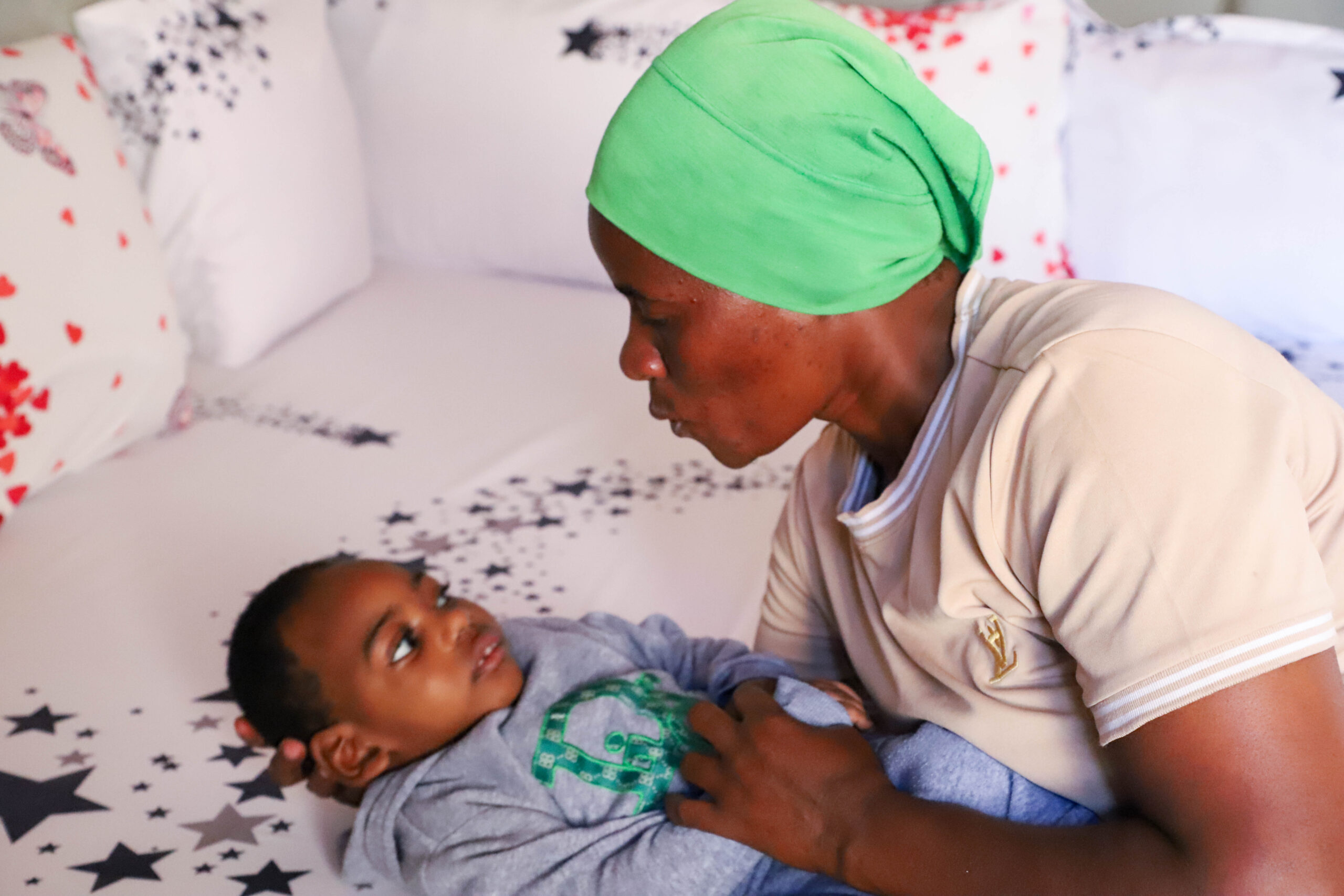
Prisca, trained through the Early Childhood Development (ECD) project implemented by Elizabeth Glaser Pediatric AIDS Foundation in partnership with Evangelical Lutheran Church in Tanzania, encouraged Munira and began guiding her on how to support her child. She introduced simple stimulation exercises and showed the family how to care for Akram step by step. Because of his condition, they had to begin with exercises meant for infants.
It was not easy. Progress was slow, and at times Munira felt discouraged. But Prisca continued to support and motivate her. She also provided education on nutrition, helping Munira understand how even small changes in diet could improve Akram’s health.
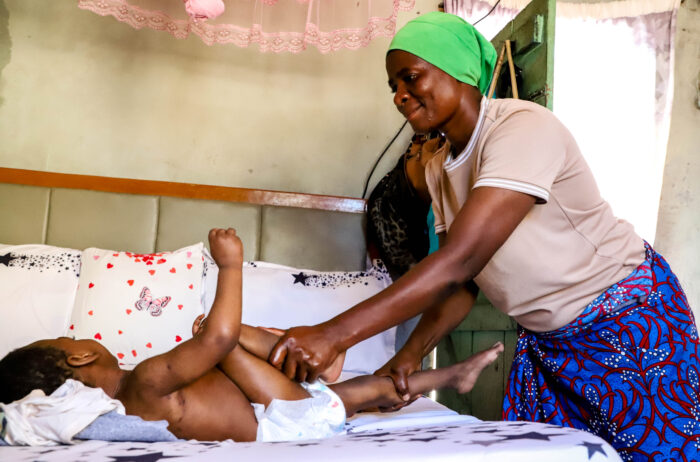
Meeting Milestones
Gradually, small but powerful changes began to appear.
Akram started gaining strength in his hands. He began to hold objects. When someone called his name, he slowly turned to look. He became less afraid of people and started showing interest in other children. Then one day, he smiled – a moment Munira will never forget.
That smile brought new life into their home.
With every small milestone, Munira and her husband regained hope. The shame they once felt began to fade, replaced by joy and acceptance. Their home, once filled with silence, became a place of encouragement and possibility.
In early 2026, another breakthrough came. Through the support of Evangelical Lutheran Church in Tanzania, Akram received a wheelchair, and the family was trained on how to use it. This gave Akram a new sense of mobility and connection to the world around him.
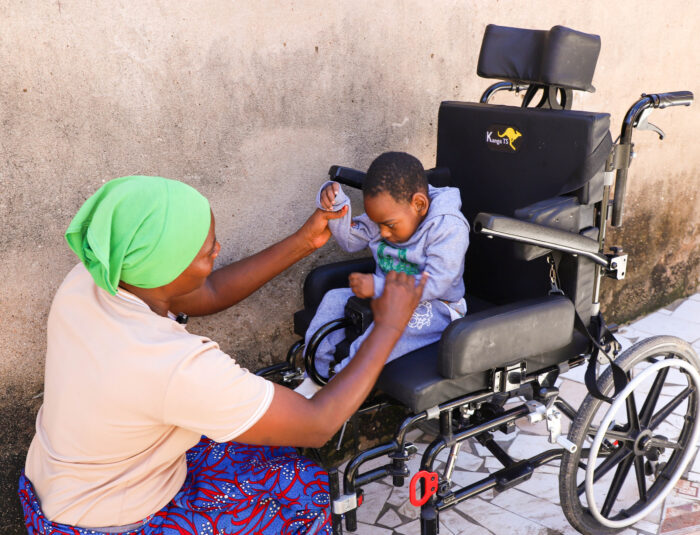
Growing Stronger Together
Today, Munira and her family are deeply grateful for the support they received from Elizabeth Glaser Pediatric AIDS Foundation, Evangelical Lutheran Church in Tanzania, through funding from the Conrad N. Hilton Foundation.
Munira’s journey is one of courage and transformation. From hiding her child in fear to embracing him with confidence and hope, her story shows the power of compassion, knowledge, and community support.
Today, Akram is no longer hidden. He is seen, loved, and given a chance to grow, and Munira stands strong, proud of how far they have come.