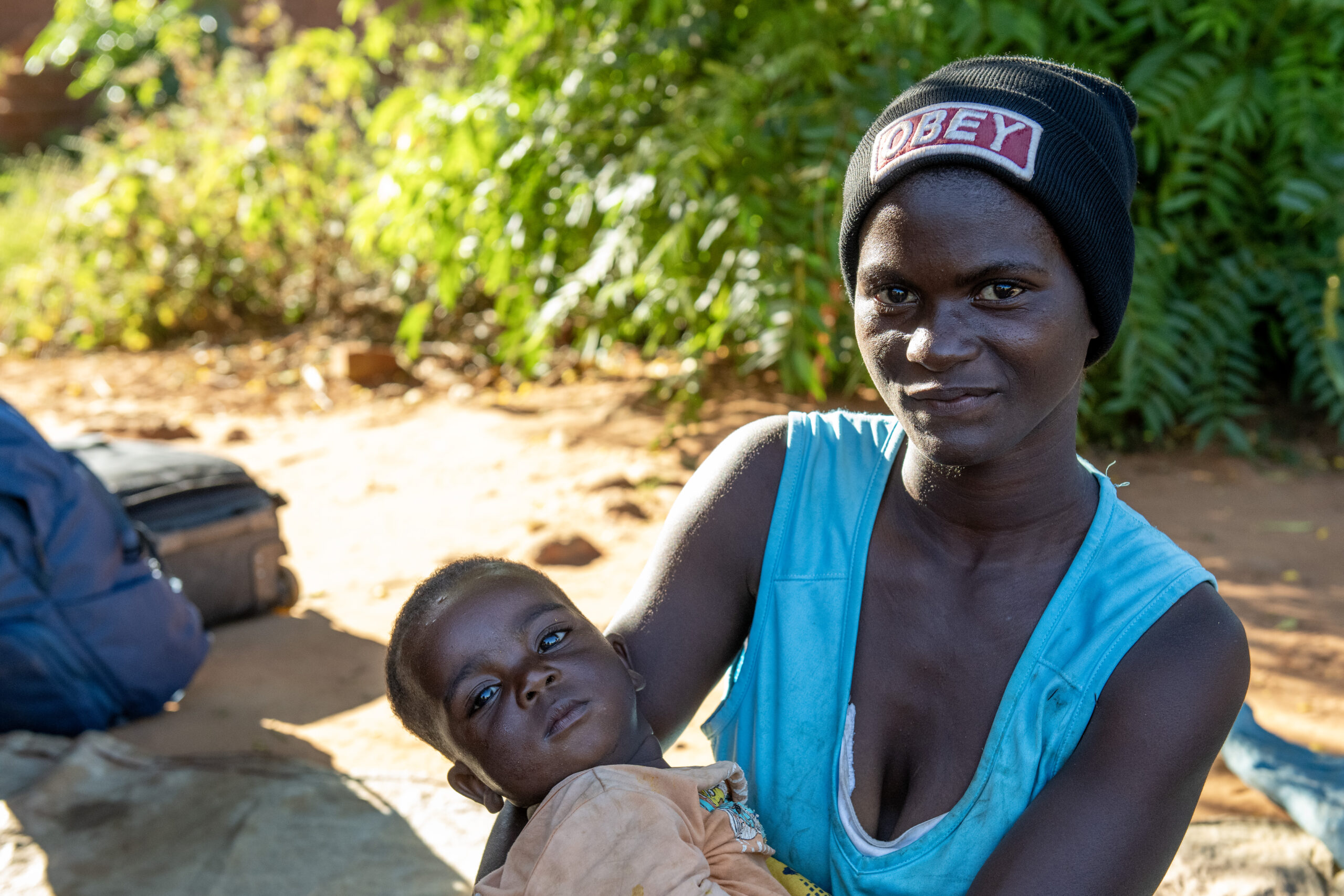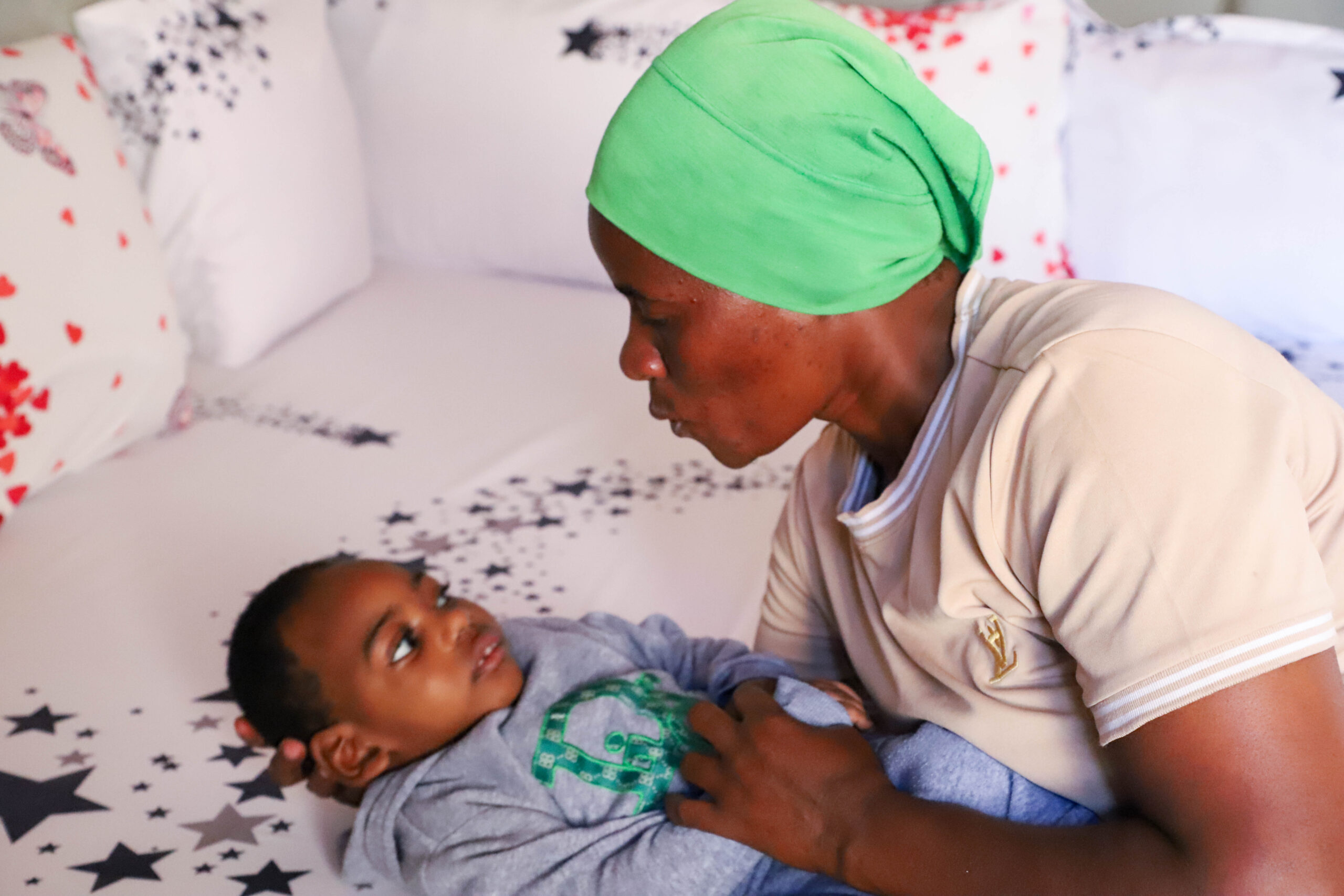
In Meru District, Arusha region, Tanzania, where communities are closely knit and traditions run deep, Hosiana carried a quiet burden that many could not fully understand. Her daughter, Angel, was different.
While other children laughed, played, and took their first steps, Angel remained still. She was unable to stand, struggling to eat, and rarely showing the joy of childhood.
Days turned into months, and months into years of worry. Hosiana tried everything within her reach. She sought advice from neighbors, followed traditional remedies, and held onto hope that one day her child would change. But nothing seemed to work. Instead of answers, she was met with whispers. Some in the community began to say Angel was cursed. Others kept their distance.
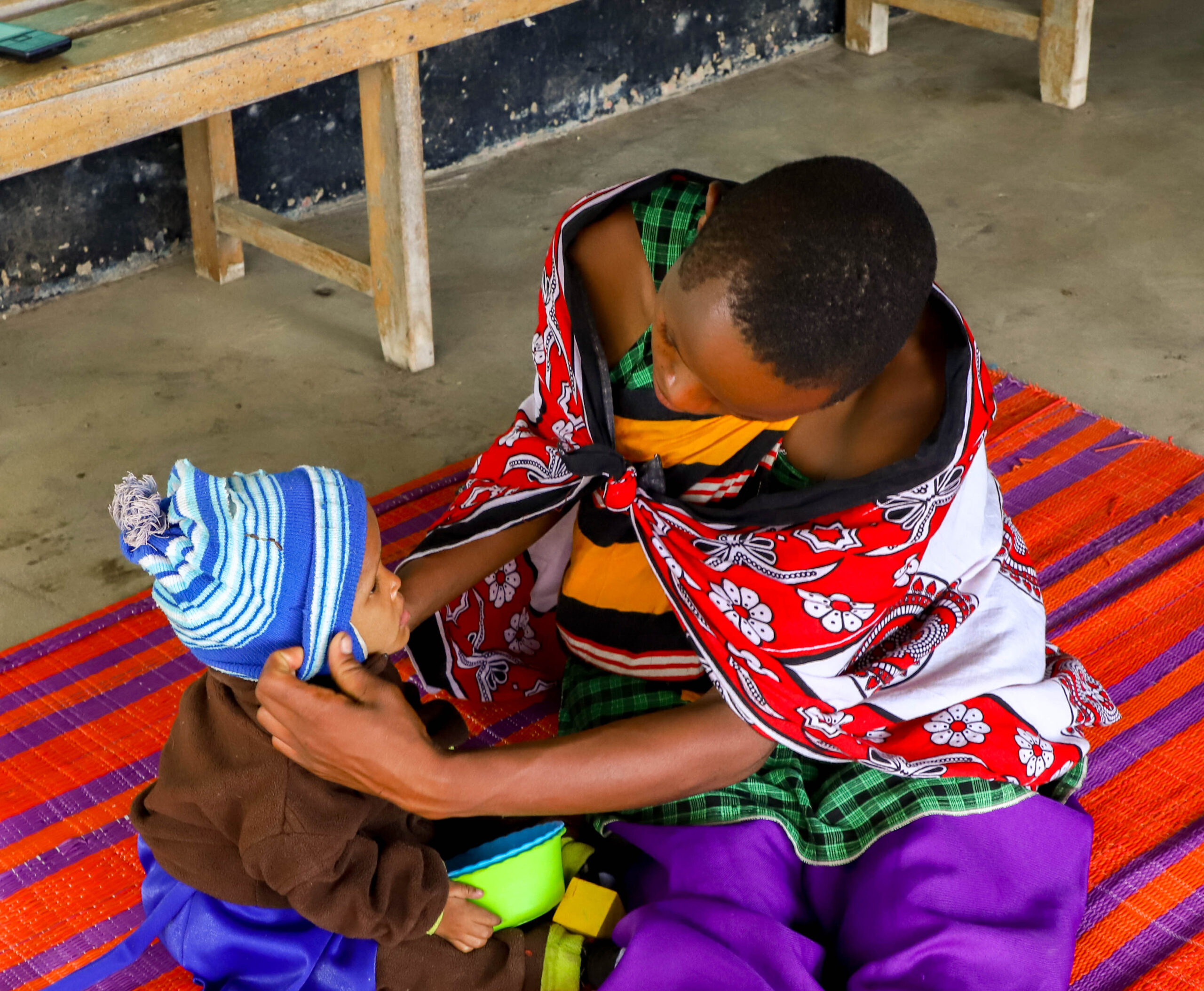
For Hosiana, the pain was not only watching her child suffer. It was the isolation, the quiet judgment, and the growing fear that she might never see her daughter live a normal life.
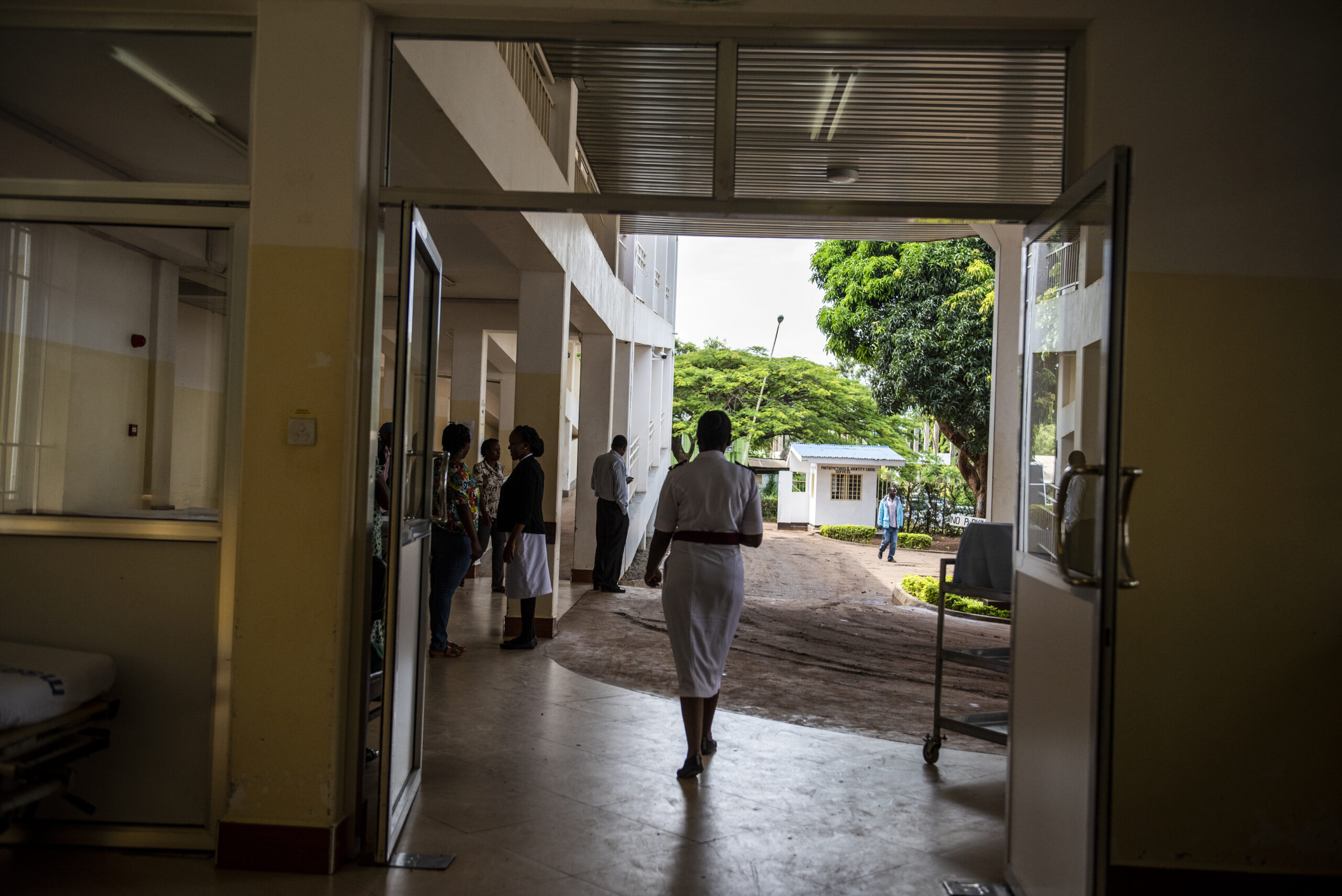
Everything came to a turning point when Angel became very ill. With fear in her heart but determination in her steps, Hosiana carried her child to a nearby health facility in Ngarenanyuki-Uwilo Ward. The facility, supported by the Elizabeth Glaser Pediatric AIDS Foundation (EGPAF) through its Early Childhood Development (ECD) program, would soon become the place where hope began to return.
There, she met Rukia Bakari, a compassionate nurse and ECD focal person who saw beyond the fear and stigma. After carefully assessing Angel, Rukia identified the underlying issue which was severe malnutrition.
“I referred Angel to a higher-level hospital almost three times,” Rukia recalls, “but her mother never went.”
Even so, Rukia did not walk away.
She understood that behind every missed referral was a story of fear, limited understanding, and overwhelming circumstances. Instead of giving up, she leaned in. She continued visiting, following up, and building trust with Hosiana.
Rukia enrolled Angel in the facility’s ECD services and began working closely with her mother. She gently guided Hosiana, teaching her how to nourish her child, how to engage her through simple play, and how small, consistent actions could make a big difference. What seemed like ordinary advice, talking to Angel, encouraging movement, offering balanced meals, became powerful tools for transformation.
Slowly, almost quietly at first, change began.
Angel started sitting on her own. Then she began reaching out, holding onto nearby objects like chairs to pull herself up. Each small milestone felt like a miracle. The same child who had once been still and withdrawn began to show signs of life, curiosity, and strength.
Then came a moment Hosiana had almost given up on, the sound of her child playing.
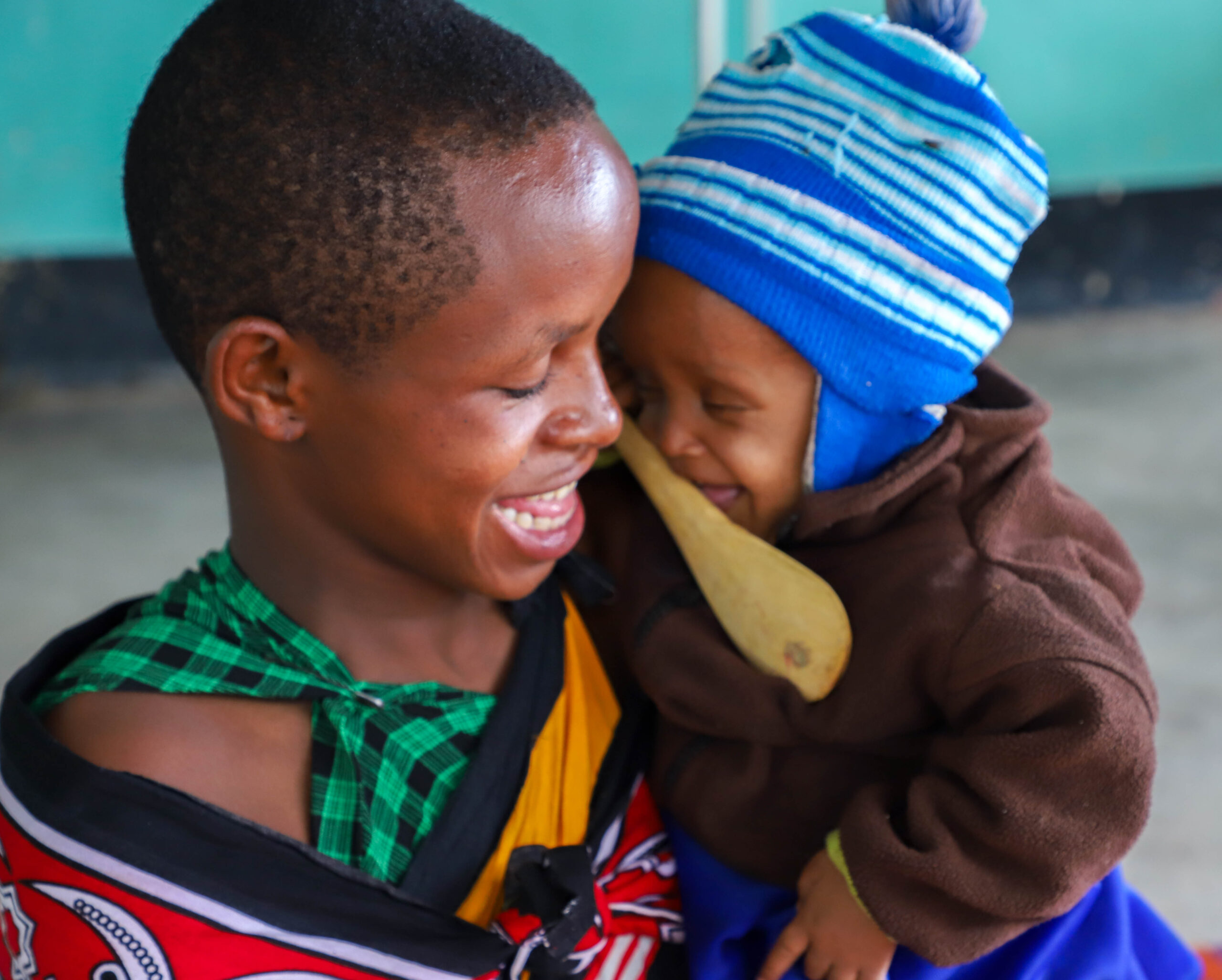
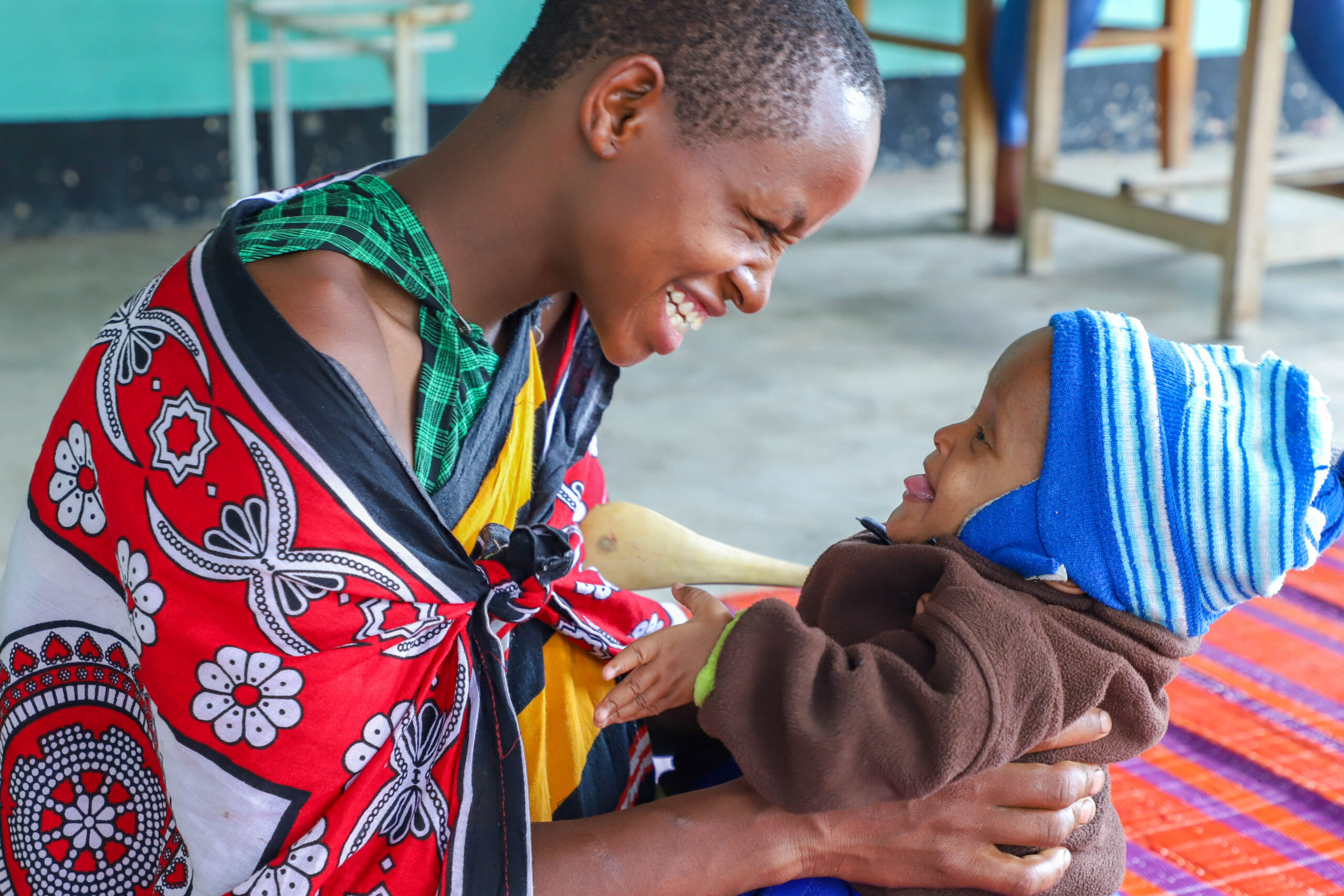
Today, Angel’s journey stands as a powerful reminder that behind every struggling child is not a curse, but often a condition that can be addressed with the right support, knowledge, and persistence.
At the Ngarenanyuki–Uwilo facility, Angel is just one of many. Every day, more than 20 mothers walk through its doors, seeking care and guidance. By integrating Early Childhood Development services into Reproductive and Child Health (RCH) and Outpatient Department (OPD) care, the facility is not only treating illness, it is restoring hope, rebuilding confidence, and giving children a chance to thrive.
For Hosiana, the journey has changed everything. Where there was once fear, there is now understanding. Where there was once silence, there is now laughter. And where there was once doubt, there is now belief in her child, and in a future she can finally see.
Learn More About Our ECD Work

Technical Reports
Kizazi Kijacho
Published March 2024
Topics:
Children
Countries:
Tanzania

Story
When Fathers Are Involved, Everybody Wins
Published August 2023
Topics:
Children
Countries:
Tanzania
Journal Articles
Effectiveness of an Integrated Multilevel Early Child Development Intervention on Caregiver Knowledge and Behavior
Published February 2023
Topics:
Research
Countries:
Tanzania