We have joined with over 20 other non-profit partners asking Congress to support S. 1911: The Reach Every Mother and Child Act of 2015, introduced this week by Senators Susan Collins (R-ME), and Chris Coons (D-DE). Learn more about the bill here. Keep reading

With last week's exciting announcement by UNAIDS, highlighting remarkable progress in meeting the Millennium Development Goals (MDGs) related to HIV and AIDS, the end of the epidemic has never been more clearly in our sights. For those of us who place a particular focus on children affected by the disease, the report, How AIDS Changed Everything, provided cause for great hope and even a bit of celebration. Keep reading

This week, the 8th IAS Conference on HIV Pathogenesis, Treatment, and Prevention kicked off in Vancouver, Canada. Most of the discussions at this year’s conference have centered on treatment, specifically working toward ensuring that all people living with HIV not only have access to treatment, but that they begin treatment as early as possible. Keep reading
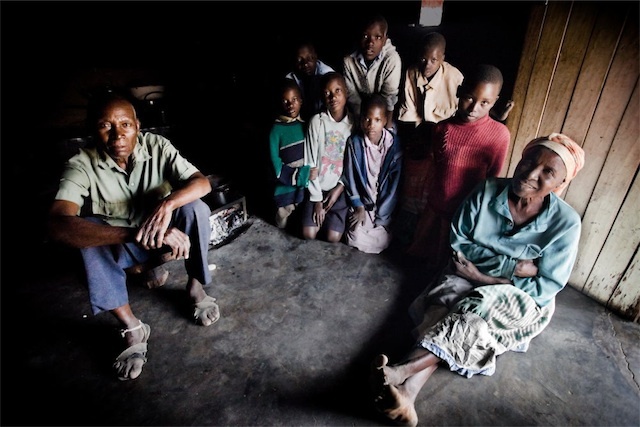
We are so excited to be a Saving Lives at Birth Round 5 finalist! EGPAF's innovation— a model for national scale-up of the Pratt Pouch to expand infant nevirapine prophylaxis in Uganda--is a top contender addressing the problem of preventable newborn and maternal mortality in the developing world. Keep reading

The 8th IAS Conference on HIV Pathogenesis, Treatment and Prevention (IAS 2015), will occur from July 19 through 22 in Vancouver, Canada. This gathering aims to explore new developments in HIV-related research and technology to inform a global response. EGPAF will be in attendance to share program implementation developments and gain new insights. Keep reading
Today, the global HIV/AIDS community is celebrating a major milestone—15 million people who are living with HIV are now on treatment—exceeding the target set out by Millennium Development Goal (MDG) 6: Halting and reversing the spread of HIV. Keep reading
Last week Ashley Rose Murphy shared her journey of growing-up HIV-positive and how she was inspired to become an advocate. Read below to learn about her work today and how you can get involved in the effort to create an AIDS-free future. Keep reading

Last week, Cuba became the first country to receive validation from the World Health Organization (WHO) for the elimination of mother-to-child transmission of HIV and syphilis. This blog serves as a guide through the WHO EMTCT validation process. Keep reading

Ashley Rose Murphy is 17 years old and has been living with HIV since birth. She uses her voice to educate people about HIV/AIDS and help combat fear and stigma many people living with HIV must face every day. She is sharing her story and her journey to becoming an advocate with EGPAF. Read her first installment below. Keep reading