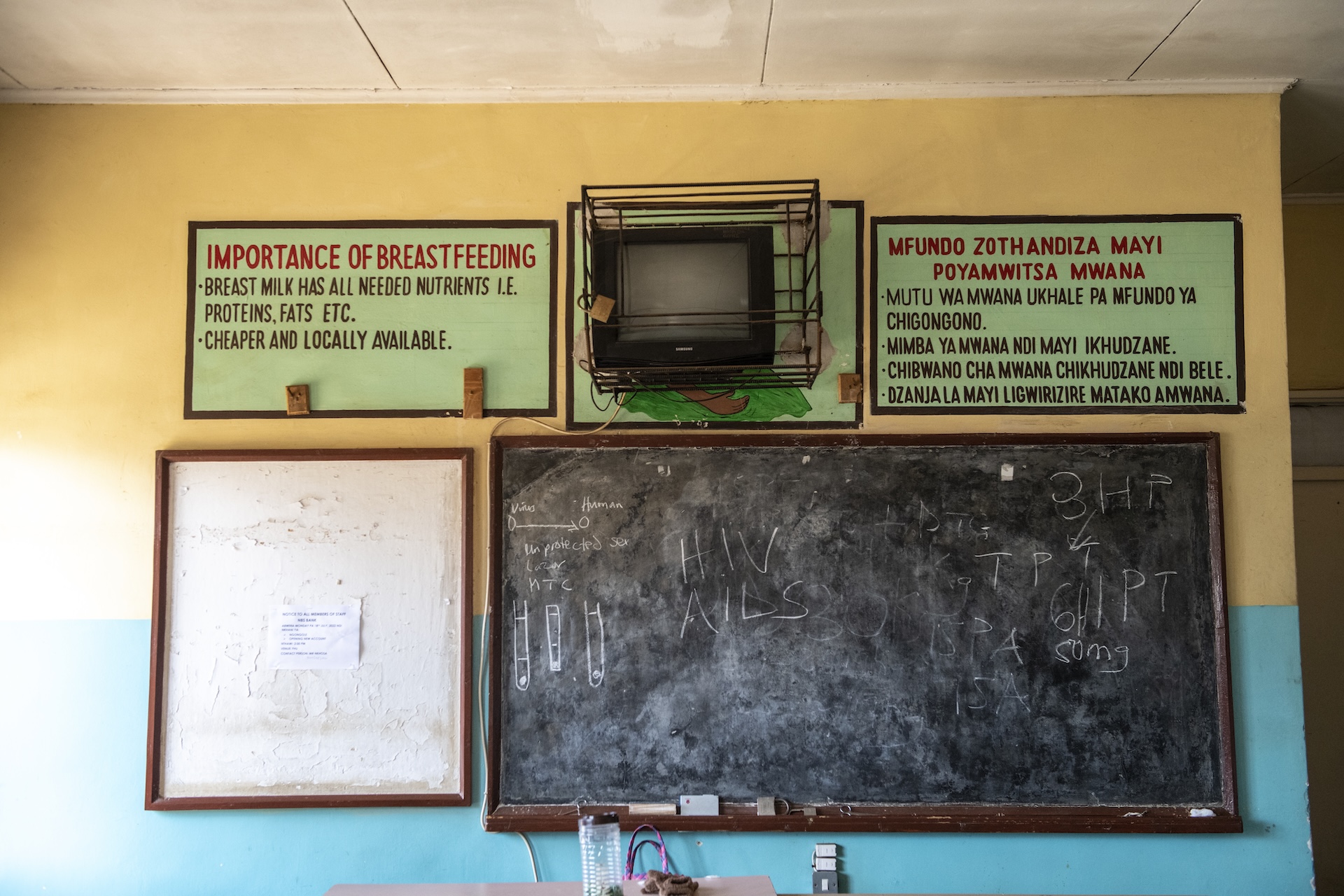
Efforts to scale up and improve programs for prevention of mother-to-child transmission of HIV (PMTCT) have focused primarily at the health facility level, and limited attention has been paid to defining an effective set of community interventions to improve demand and uptake of services and retention. Many barriers to PMTCT are also barriers to pregnancy, childbirth, and postnatal care faced by mothers regardless of HIV status. Demand for maternal and child health (MCH) and PMTCT services can be limited by critical social, cultural, and structural barriers. Yet, rigorous evaluation has shown limited evidence of effectiveness of multilevel community-wide interventions aimed at improving MCH and HIV outcomes for pregnant women living with HIV. We propose to assess the effect of a package of multilevel community interventions: a social learning and action component, community dialogues, and peer-led discussion groups, on the demand for, uptake of, and retention of HIV positive pregnant/postpartum women in MCH/PMTCT services.
Explore Related Resources
Resource
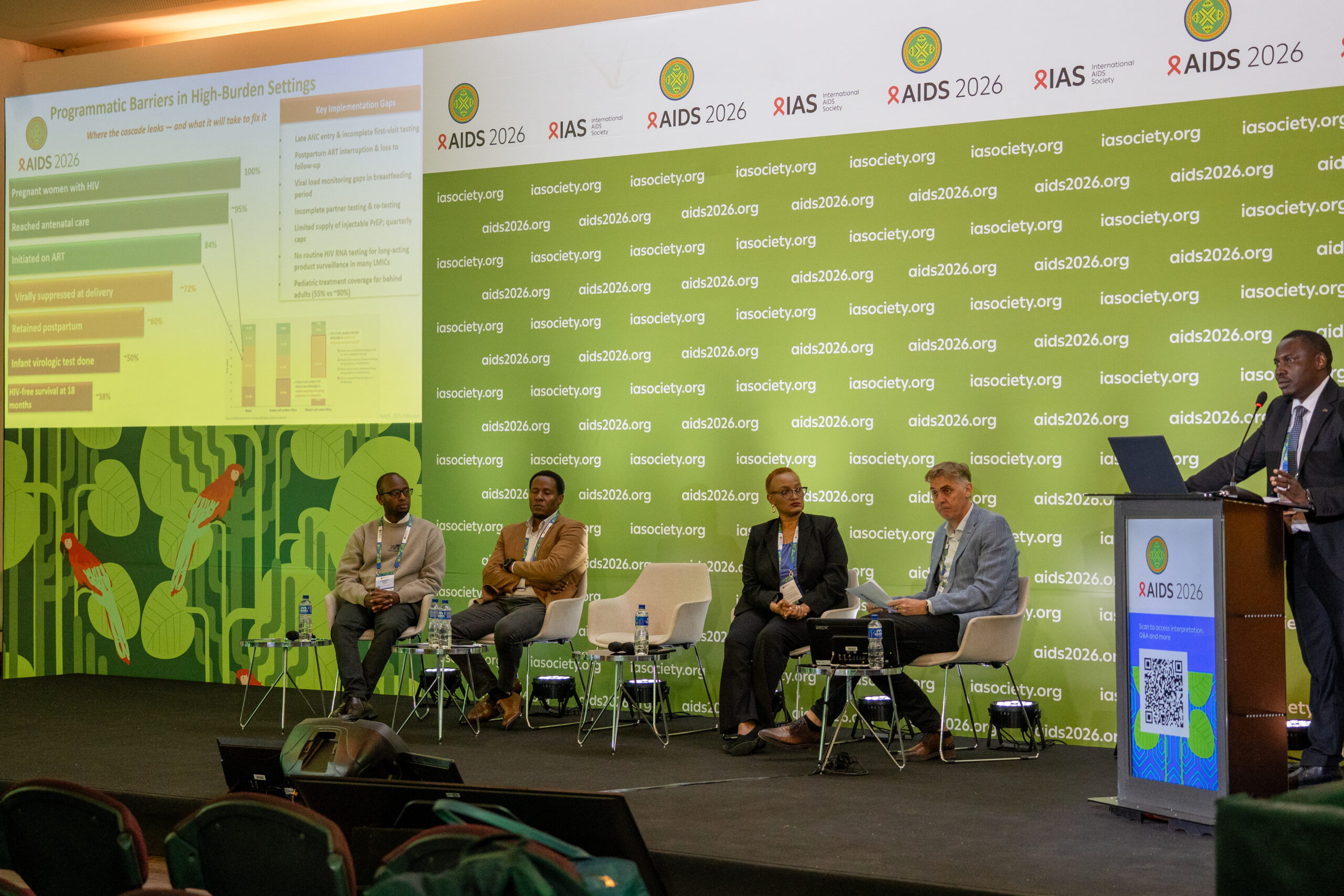
Research Review: Pediatric and Maternal HIV at AIDS 2026
Published September 2026
After reviewing the research on pediatric HIV presented at AIDS 2026, here is how we are putting these findings into practice.
View Resource
Topics:
Adolescents,
Children,
Maternal and Child Health,
Mothers and Infants,
Pediatric HIV,
Research
Countries:
Global
Poster
Programmatic Gaps Under Option B+: Factors Associated with Residual Vertical HIV Transmission in Malawi, 2020 – 2024
Published August 2026
In our study, vertical transmission was strongly associated with lack of ART at delivery and unsuppressed maternal viral load.
View Resource
Topics:
Prevention of Mother-to-Child Transmission (PMTCT),
Research
Countries:
Malawi
Resource
Evidence for sustainable parenting and cash transfer programmes in Tanzania
Published June 2026
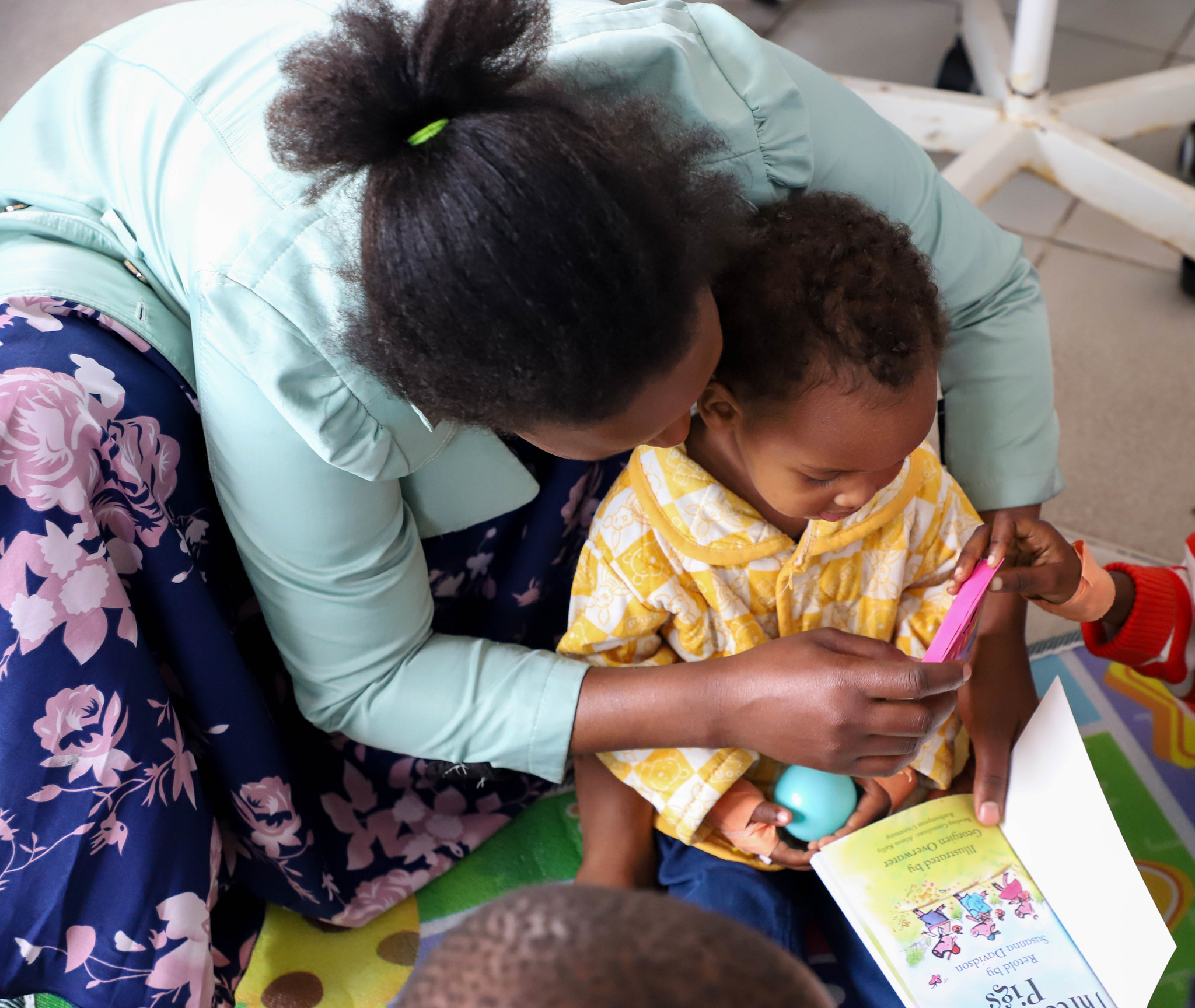
In Tanzania’s Dodoma region, EGPAF partnered on Kizazi Kijacho — meaning “Next Generation” in Swahili — a large-scale randomized controlled trial testing whether parenting support, cash transfers, or both could improve early childhood development outcomes across more than 3,100 families. The findings have direct implications for how governments design scalable, affordable ECD programs. Parenting support […]
View Resource
Topics:
Children,
Maternal and Child Health
Countries:
Tanzania