President
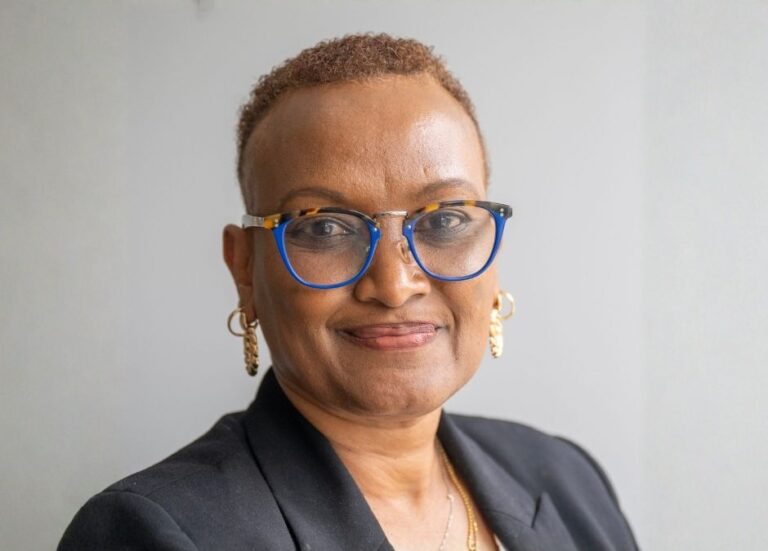
Dr. Doris Macharia is a global health leader and physician with more than two decades of experience advancing HIV prevention, treatment, and health equity across Africa and beyond.
The UN General Assembly provides a rare moment when many of the people shaping the future of global health are in the same rooms at the same time, from heads of state and policymakers to donors, implementers, and advocates.
Yet, children are rarely in these spaces. Often, they are not even on the agenda.
A voice in the room
We talk a great deal about integration in global health, yet too much remains siloed. When resources become scarce, these silos can create a false competition among diseases, interventions, and populations. And because children cannot advocate for themselves, they rarely do well in this competition.
Even when young people are represented in global health conversations, their needs are often considered through a particular lens, such as sexual and reproductive health. Those issues are enormously important. But we also need to ask if children and adolescents are being diagnosed with HIV, getting treatment, staying in care, and whether the most promising new innovations are reaching them.
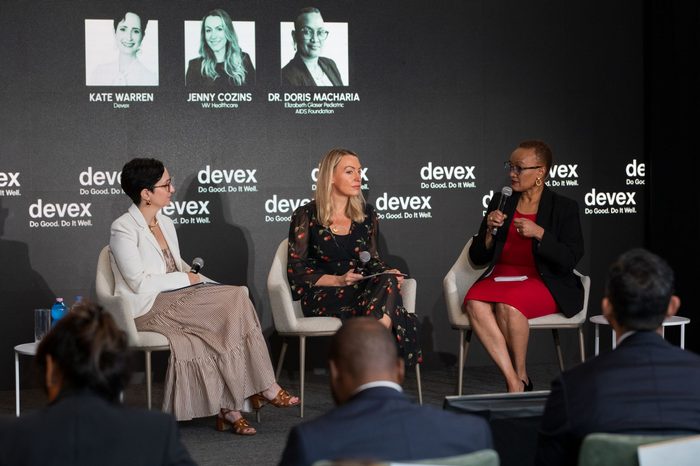
That is why I was encouraged by many of the conversations I had in New York this week. From African first ladies and faith leaders to donors and colleagues across the global health community, I heard a real determination to find a way forward during an extraordinarily difficult time for global health. I was also proud of the role EGPAF played in these conversations, serving as a voice for children and interpreting how the decisions being made today will affect them tomorrow. Now, these conversations must be matched by action.
Following the data
After two years of immense disruption, UNGA offered an important moment to take stock, to look honestly at what the evidence is telling us and not shy away from the hard questions.
This summer, UNAIDS reported that only 55% of children living with HIV were receiving antiretroviral treatment, compared with 78% of adults, leaving roughly 620,000 children without treatment. EGPAF’s analysis of recent PEPFAR data found that, in 2025, testing among children fell 34%, treatment initiation fell 13%, and 54,000 fewer children were on treatment. At the same time, viral suppression among children who received viral load testing improved to 90.2%.
In other words, where the system reaches children, it works.
We need to use this evidence to better understand where we are letting children down in the pediatric HIV cascade. Where are children dropping out of care? Where could immunization, maternal health, and other routine services help us find children who are being missed? And as exciting new prevention and treatment innovations become available, what will they mean for children?
We must also continue collecting and using data that allows us to see children specifically. Progress among adults can obscure what is happening to children if we aren’t looking closely enough.
One area that gives me hope is the opportunity to think differently about mothers and babies as a pair. A mother and child may move through the same health system at different moments and through different services. Better connecting those encounters can help us see where either is being lost and create opportunities to support both.
What comes next
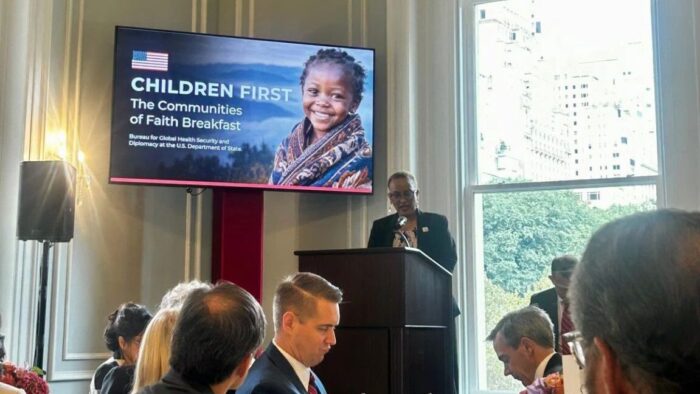
My personal mission at UNGA was to keep children at the center of the conversation and remind the broader international community that we have the evidence, tools, and promising new innovations we need to achieve an HIV-free generation.
UNGA is not only an opportunity to make new commitments. It is a time to ask whether we are keeping the ones we have already made and to hold ourselves accountable for delivering on them.
Children may not be in every room where decisions about their futures are being made. But those of us who are, we can make sure they are not absent from the conversation.
About the Author
Dr. Doris Macharia
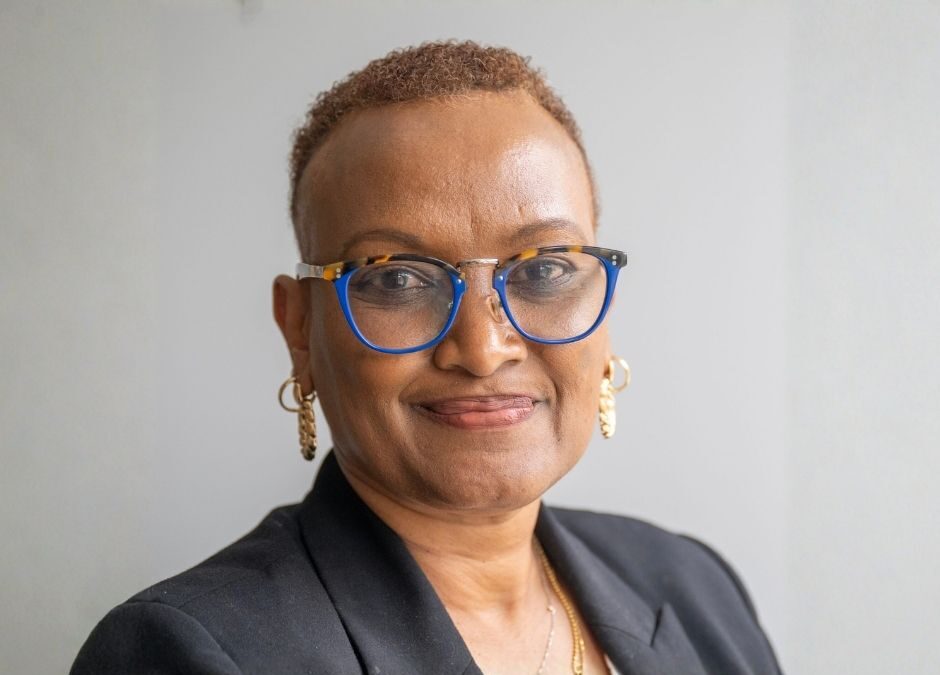
Dr. Doris Macharia is a global health leader and physician with more than two decades of experience advancing HIV prevention, treatment, and health equity across Africa and beyond. As the President of the Elizabeth Glaser Pediatric AIDS Foundation (EGPAF), she leads with clarity, compassion, and a lifelong commitment to ensuring that no child is born with HIV and no mother is left behind.
Doris is based in Washington, DC.