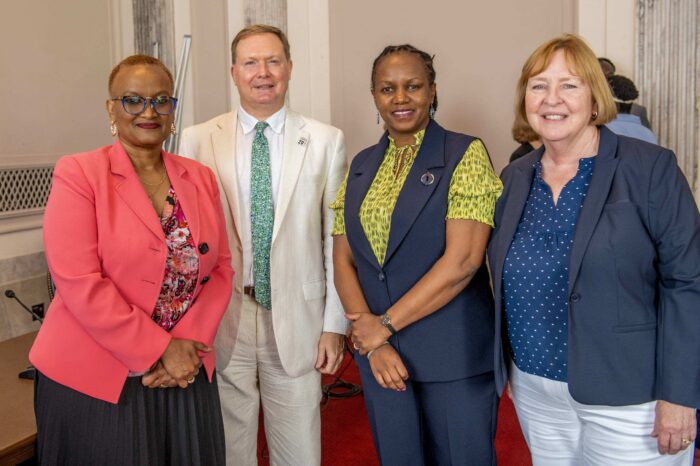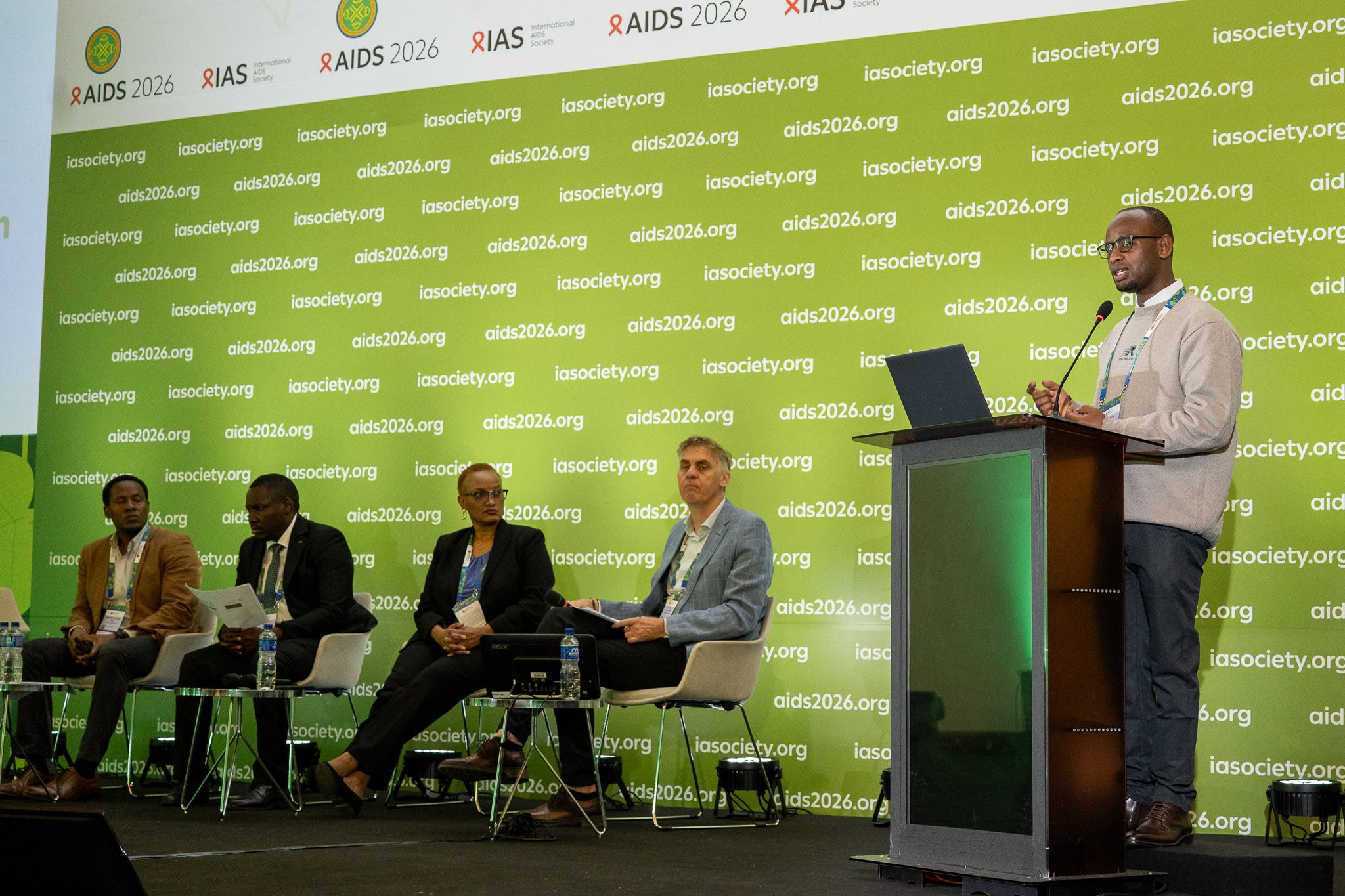
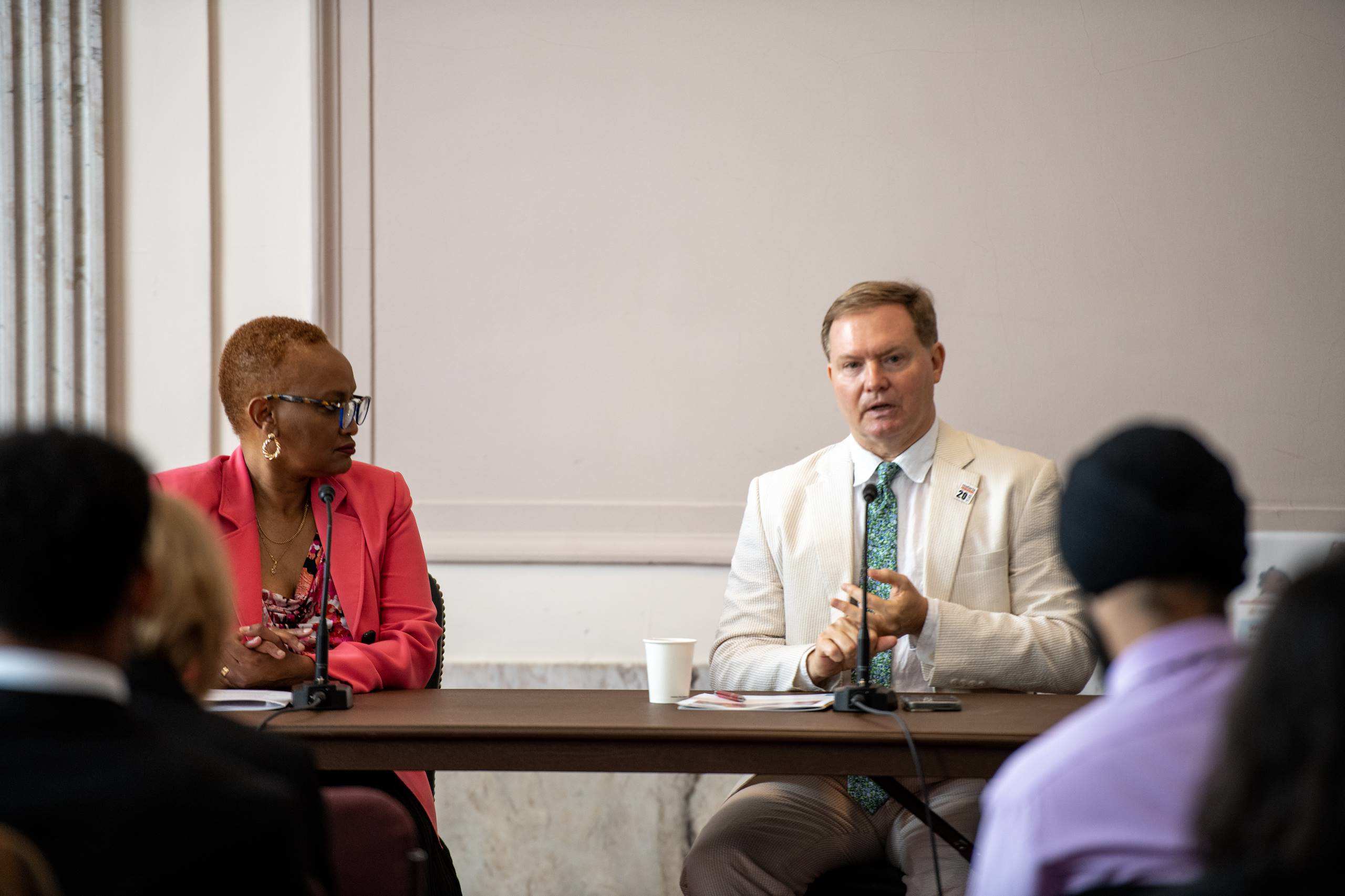
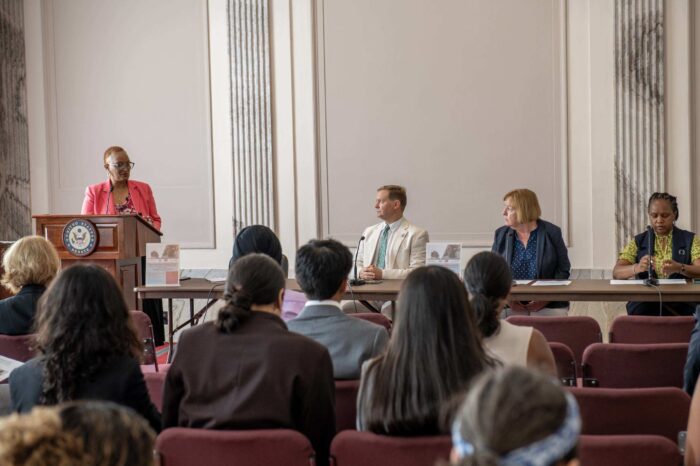
Last month, four global health organizations convened on Capitol Hill to discuss how to protect decades of progress on children’s health.
EGPAF co-hosted the July 15 briefing, Where the World’s Children Stand: Progress, Challenges, and the Path Forward, alongside Malaria No More, RESULTS, and World Vision, with honorary support from the Congressional HIV/AIDS Caucus and the Senate Malaria and Neglected Tropical Diseases Caucus. The conversation covered the impact of sustained U.S. investment through programs like the President’s Emergency Plan for AIDS Relief (PEPFAR) and the President’s Malaria Initiative (PMI), as well as what happens when health systems fail to keep the needs of children at their center.
Here are some of the moments that stood out. (Note: the remarks below reflect the substance of what was shared at the briefing, paraphrased for clarity, and are not exact quotes.)
The numbers provide a clear wake-up call
Dr. Doris Macharia, President, EGPAF, opened with the scale of the problem. She pointed out that nearly 300 children become newly infected with HIV every day, that children under 5 account for roughly 75% of all malaria deaths in Africa, and that tuberculosis continues to kill hundreds of children daily, many of whom are never diagnosed or treated. Behind every one of those numbers, she said, is a child with the potential to learn, grow, and contribute to their community, and a family whose future depends on that child surviving.
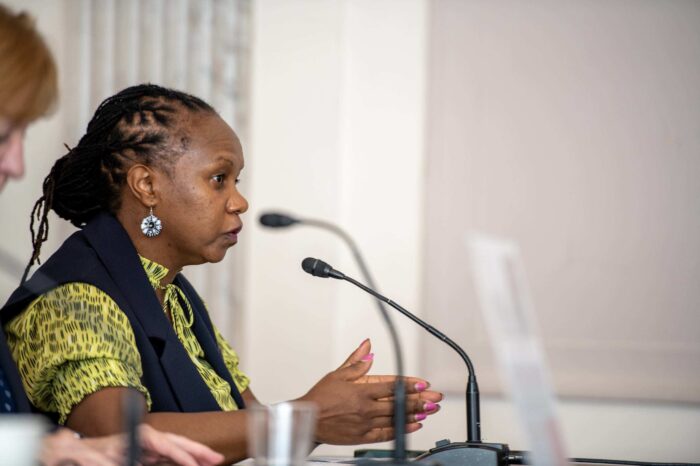
Rosemary Mburu, DrPH, Executive Director, WACI Health, made the trend line impossible to ignore, using Kenya as an example. New HIV infections in Kenya had been falling steadily for years, she explained, and 18 months ago the country had brought annual new infections below 10,000. But this year’s newly released data shows infections rising again after decades of decline, and the largest share of new infections is now among children. Her takeaway was blunt: this isn’t a warning sign anymore. It’s already a crisis.
The last mile runs through unlikely places
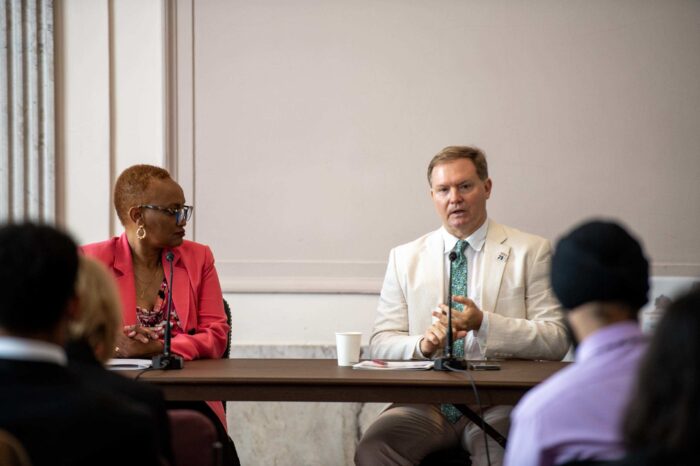
Bill Steiger, PhD, CEO, Malaria No More, reminded the room who actually delivers care once you leave the capital city. In much of sub-Saharan Africa, he noted, reaching the last mile has little to do with a government health worker or a government plan. It depends on community organizations and faith-based groups, which he estimated provide 30-50% of care in many areas, and up to 100% at the district level in some places.
He also raised a point that gets less attention: the toll of repeated infection over time. Citing research from Malawi, he explained that young children there can contract malaria eight to eleven times a year. Even for children who survive each bout, he said, researchers are finding that the cumulative, long-term effects of repeated infections can be severe. Malaria isn’t a disease that happens to a child once, he said. For many kids, it happens roughly once a month throughout their childhood.
Children don’t announce when they fall out of care
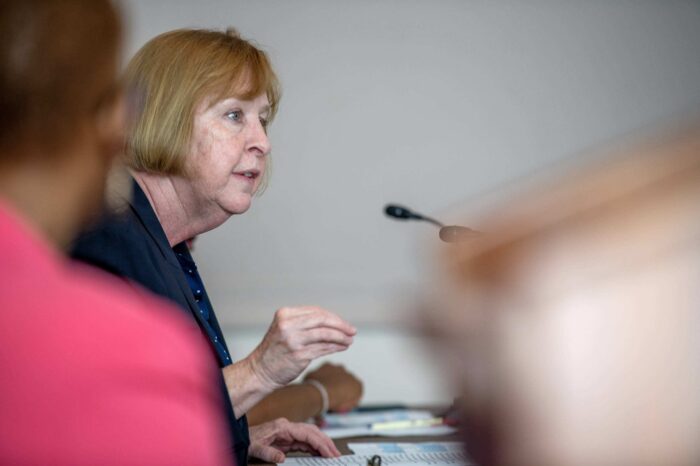
Margaret Schuler, Senior VP and Chief Impact Officer, World Vision, pointed to PEPFAR’s targeted funding for orphans and vulnerable children as proof of what focused investment can accomplish. In her view, it became the most effective platform in history for children living with or at risk of HIV, and those programs were critical to helping the most at-risk kids not just survive, but thrive long-term.
Mburu returned to describe what’s lost when that kind of funding disappears. When budgets shrink, she said, it’s often the programs reaching children, an already invisible population that can’t organize or advocate for itself, that suffer first. Kids don’t announce when they fall out of care. They simply stop showing up, and that absence sets off a domino effect that ripples through livelihoods, infection rates, and the broader community.
Why this still matters
There is an opportunity to take bold steps to improve child health, illness, and mortality. The message from this briefing is clear: the progress of the last two decades was not inevitable, but it can continue—and even accelerate—if we prioritize children in global health efforts moving forward.