AIDS 2026 Sent One Clear Message: Children Can’t Wait
For more than four decades, the global HIV response has shown us what is possible when science, partnership, and determination come together. Last week, at AIDS 2026, I was reminded of how much progress we’ve made and how much work remains.
Across the conference, there was tremendous excitement about new science, new tools, and new approaches to care. But one message came through clearly: despite extraordinary progress, children continue to be left behind. Throughout the week, four themes emerged as key opportunities to bridge that gap, accelerate progress for children, and end pediatric HIV.
Triple elimination is helping us move from disease-centered care to family-centered care.
One of the conversations I found most exciting focused on the growing momentum behind triple elimination—expanding from HIV testing to integrated testing for HIV, syphilis, and hepatitis B while ensuring mothers and children receive the care and treatment they need. At first glance, that may sound like a technical change, but it is much more than that.
Triple elimination challenges us to stop organizing health services around individual diseases and instead build them around mothers, children, and families. When care is integrated instead of fragmented, everyone benefits. Mothers receive more coordinated services, children are followed more consistently, and health systems become stronger and more responsive to the realities families face every day.
Countries are already demonstrating what is possible when maternal and child health is approached this way. But to deliver on the promise of triple elimination, integrated, family-centered care must become the standard rather than the exception.
Innovation is creating extraordinary possibilities, but children and adolescents must benefit sooner.
Rio showcased remarkable advances in HIV prevention and treatment. Much of the attention focused on long-acting prevention, and rightly so. I was particularly encouraged by the conversations about long-acting treatment for adolescents living with HIV.
For many young people, reducing the burden of taking daily medication is about far more than convenience. It has the potential to improve treatment adherence, increase viral suppression, and allow adolescents to spend less time managing HIV and more time simply being young people.
But innovation changes lives only when people can access it.
Children and adolescents should not have to wait years to benefit from advances that are already available to adults. As new prevention and treatment options become available, they must be included from the beginning, not treated as an afterthought.
Every child must have the opportunity to thrive.
For decades, the global HIV community has rallied around ending new pediatric HIV infections. That goal remains as urgent today as it has ever been.
But ending pediatric HIV does not end our responsibility to children.
We must also focus on children who are born HIV-exposed but remain uninfected. As our prevention efforts succeed, this population will continue to grow. We still have much more to learn about how to support their long-term health, development, and well-being.
Every child deserves the opportunity to be healthy, to learn, to grow, and to pursue their dreams. That vision should shape not only our research agenda, but also our investments, our partnerships, and the way we measure progress.
Success cannot be measured only by the infections we prevent. It must also be measured by the futures we help create.
The people closest to the challenge must help shape the solution.
One of the most rewarding parts of AIDS 2026 was hearing directly from people whose lived experiences are helping shape the future of the HIV response.
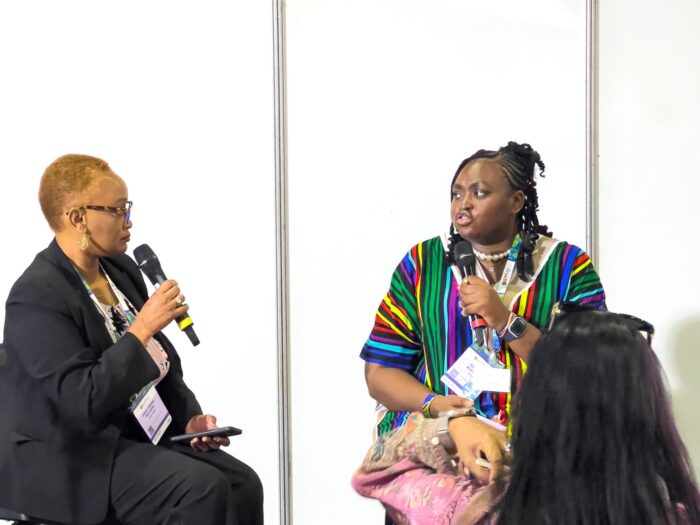
I was honored to speak with advocate and digital creator Doreen Moraa Moracha. Doreen uses her lived experience to help us better understand what people living with HIV need. Voices and perspectives like hers must be central to decision-making.
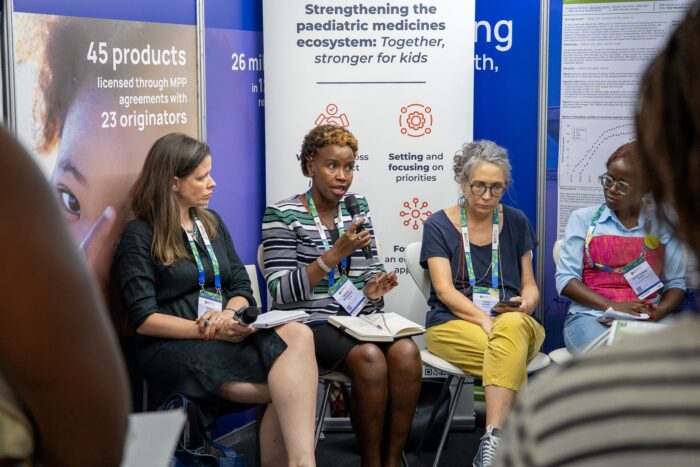
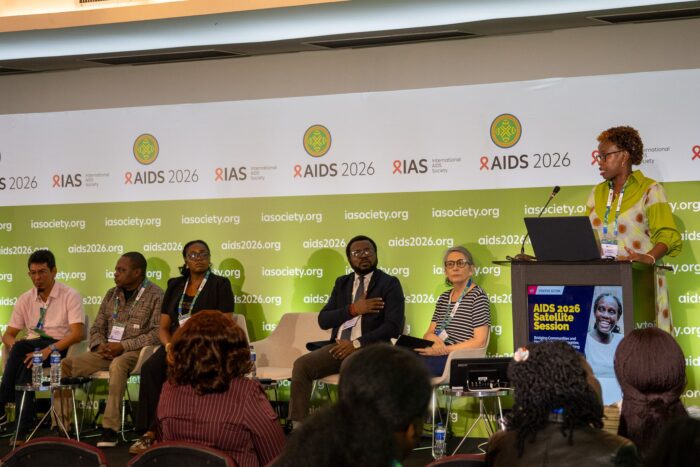
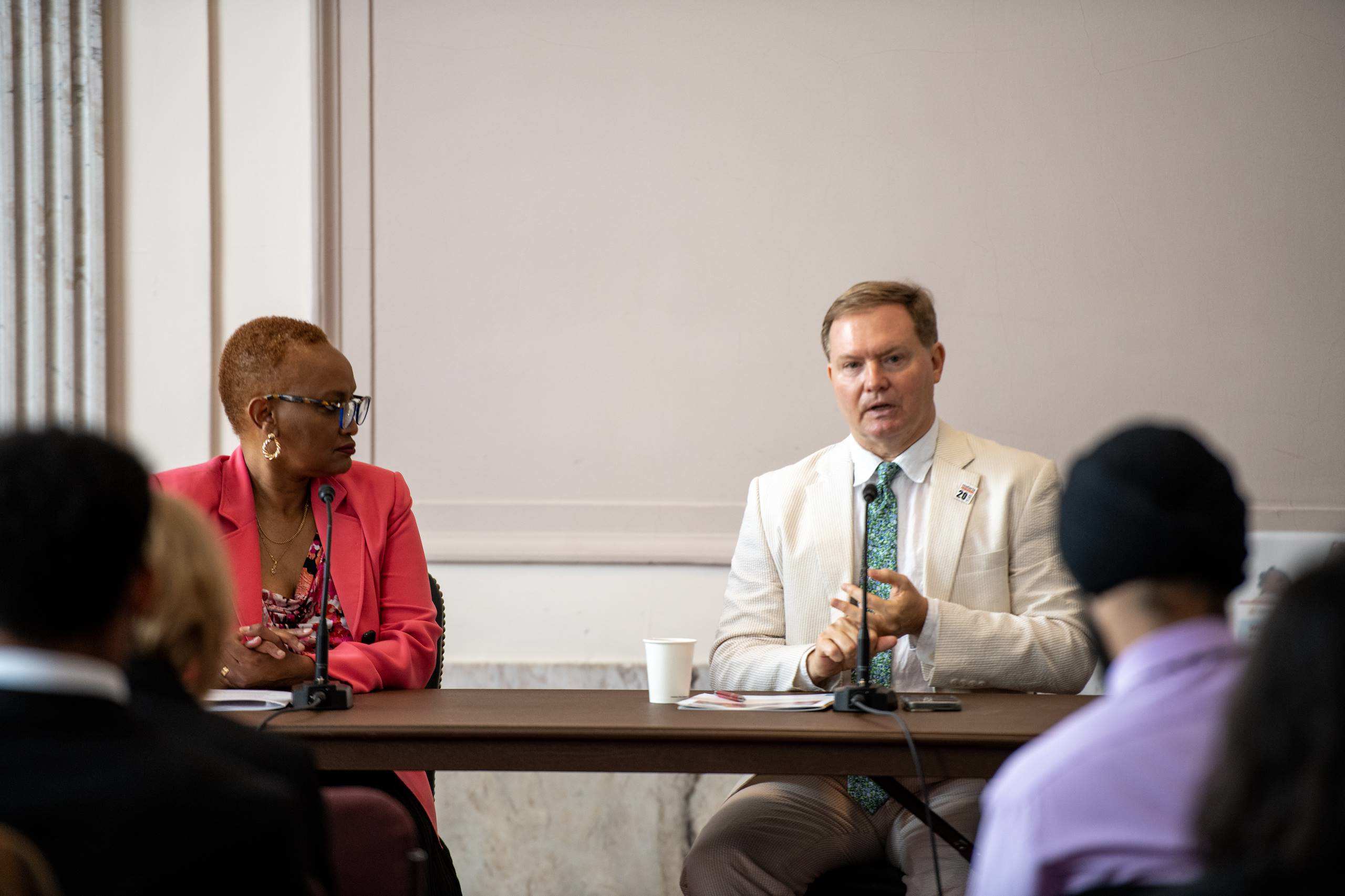
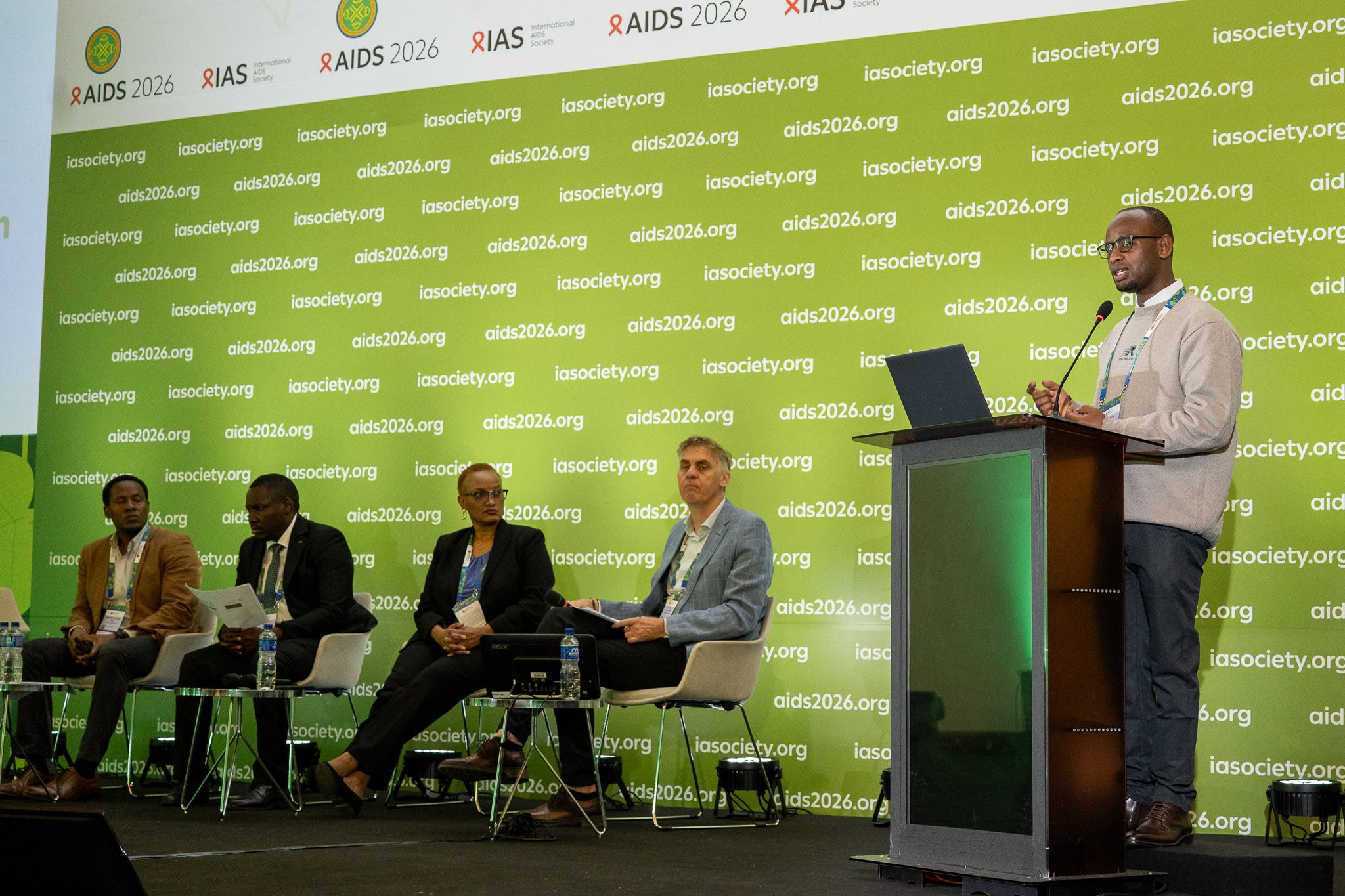
It was also powerful to hear from EGPAF Community Advisor Ismail Harerimana during our Children Can’t Wait satellite session. As both a community health worker and advocate, he reminded us that progress is built one family, one child, and one community at a time. Community health workers like Ismail remain the bridge between families and health systems, yet they are still too rarely recognized as an essential part of those systems.
Advocates, young people, caregivers, and community leaders bring expertise that no policy paper or research study can replace. Yet, too often, they are farthest from the decisions that shape their lives.
Achieving better solutions for children means not only ensuring these voices are heard, but that they are given a microphone.
We must build on the momentum.
The future of pediatric HIV will not be defined by the conversations we had in Rio but by the choices we make now. We know more than ever before about how to prevent pediatric HIV and have better tools than ever before to treat it. Yet children continue to be left behind.
That should not be acceptable to any of us.
We must build health systems around families, ensure children and adolescents benefit from innovation as quickly as adults, and listen to the voices closest to the realities children and families face. We have the knowledge, the innovations, and the experience to end pediatric HIV. Now, we must act with the urgency children deserve.
We have the knowledge, the innovations, and the experience to end pediatric HIV. Now, we must act with the urgency children deserve.
doris macharia, president, egpaf
About the Author
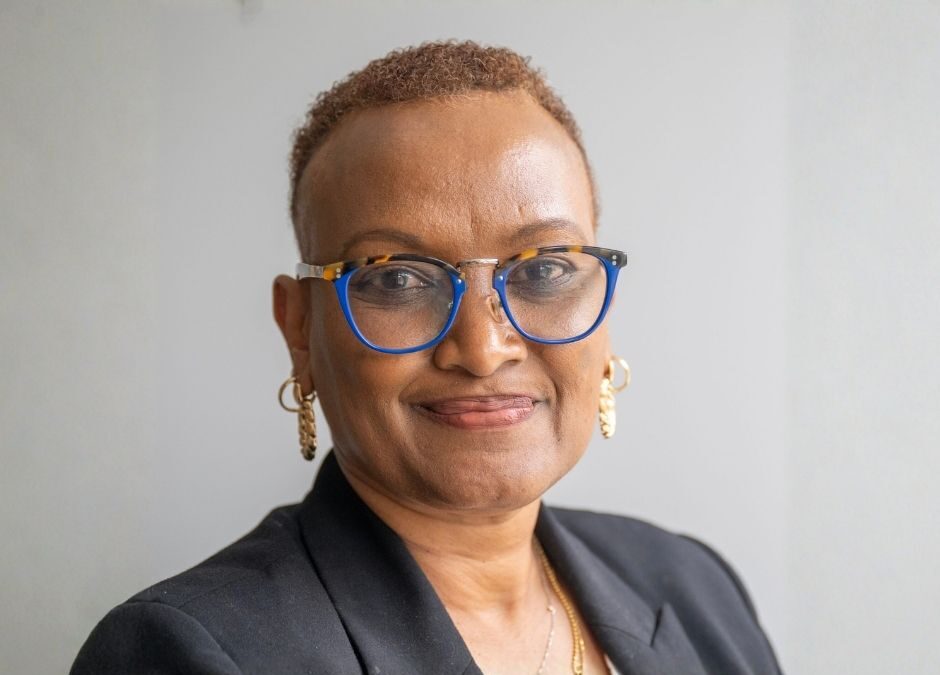
Doris Macharia
Dr. Doris Macharia is a global health leader and physician with more than two decades of experience advancing HIV prevention, treatment, and health equity across Africa and beyond. As the President of the Elizabeth Glaser Pediatric AIDS Foundation (EGPAF), she leads with clarity, compassion, and a lifelong commitment to ensuring that no child is born with HIV and no mother is left behind.
Doris is based in Washington, DC.

Reporting from Rio
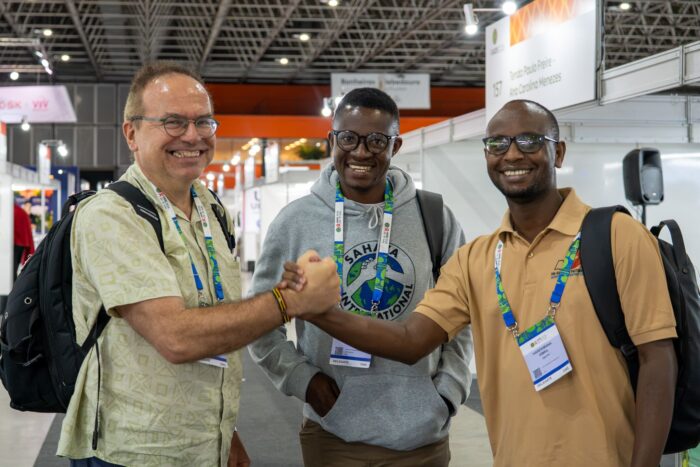
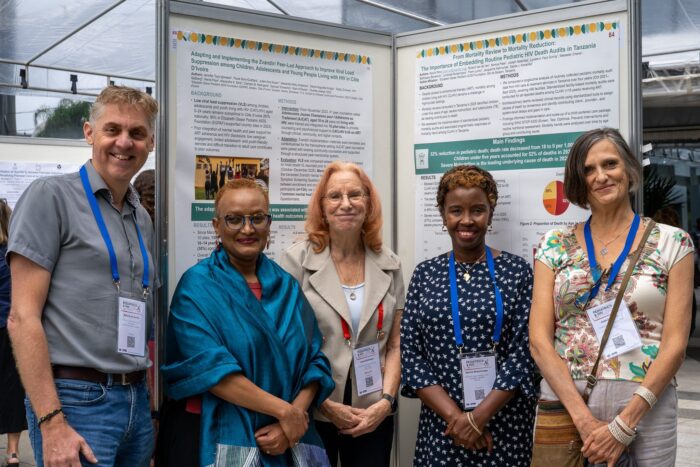
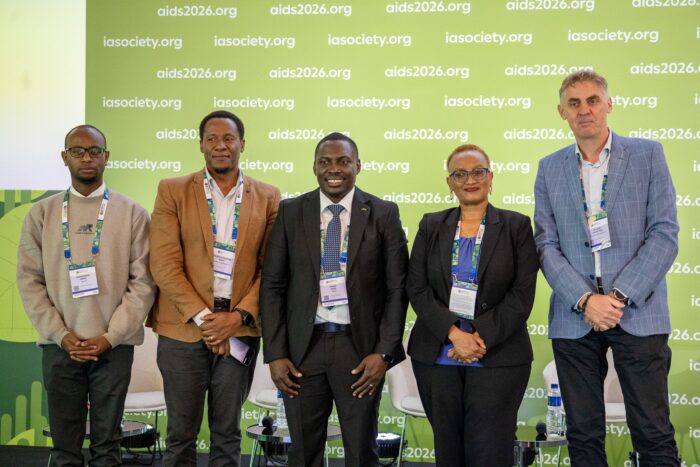
During AIDS 2026 Team EGPAF interviewed experts, shared highlights, and helped explain how the latest research impacts children. Check out the series on Instagram to see what you missed!
Highlights from AIDS 2026