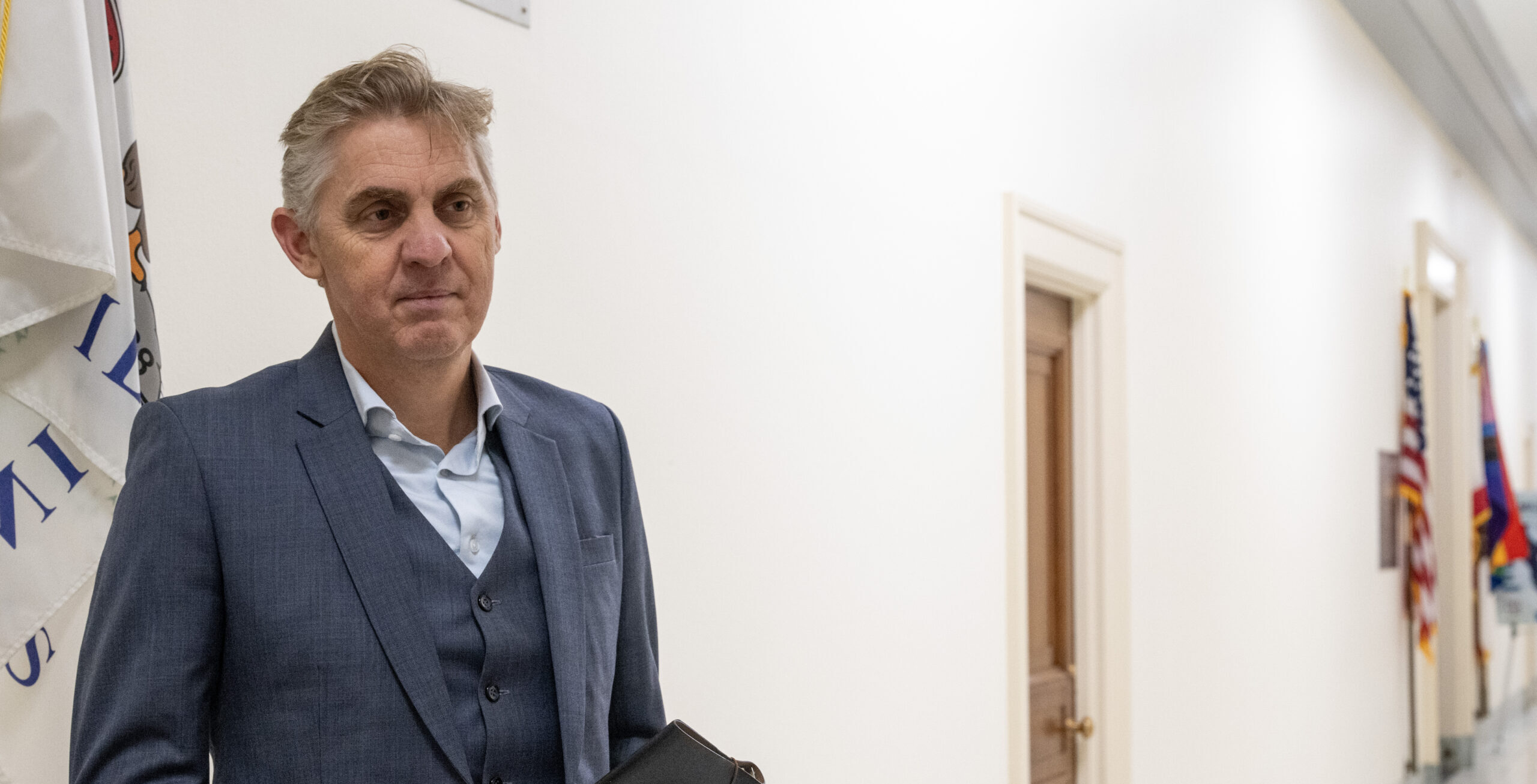
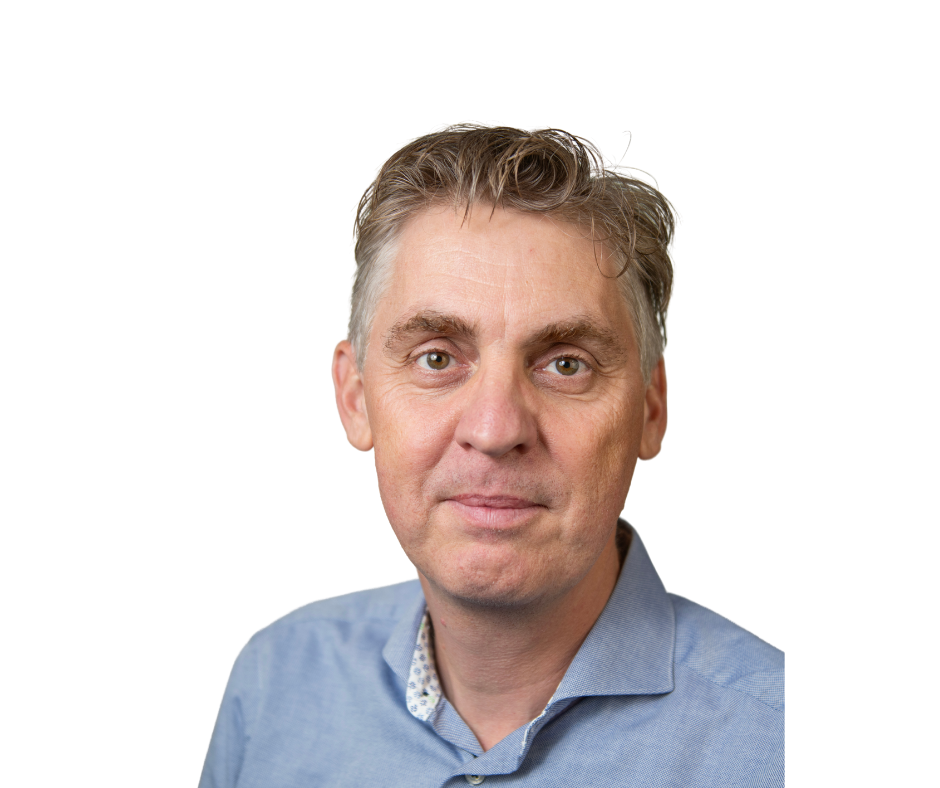
Dr. Roland van de Ven has spent more than two decades working on the front lines of the global HIV response.
The U.S. President’s Emergency Plan for AIDS Relief (PEPFAR) has saved at least 26 million lives. With so much progress made in the fight against HIV, where do you see the remaining gaps in the response?
We have made tremendous strides in battling the HIV epidemic, thanks to PEPFAR and the Global Fund and all the efforts of local governments, along with local health care workers. If we look at the 95-95-95 targets set by the World Health Organization, many countries are getting close to epidemic control, but certain groups are still being left behind—foremost children.
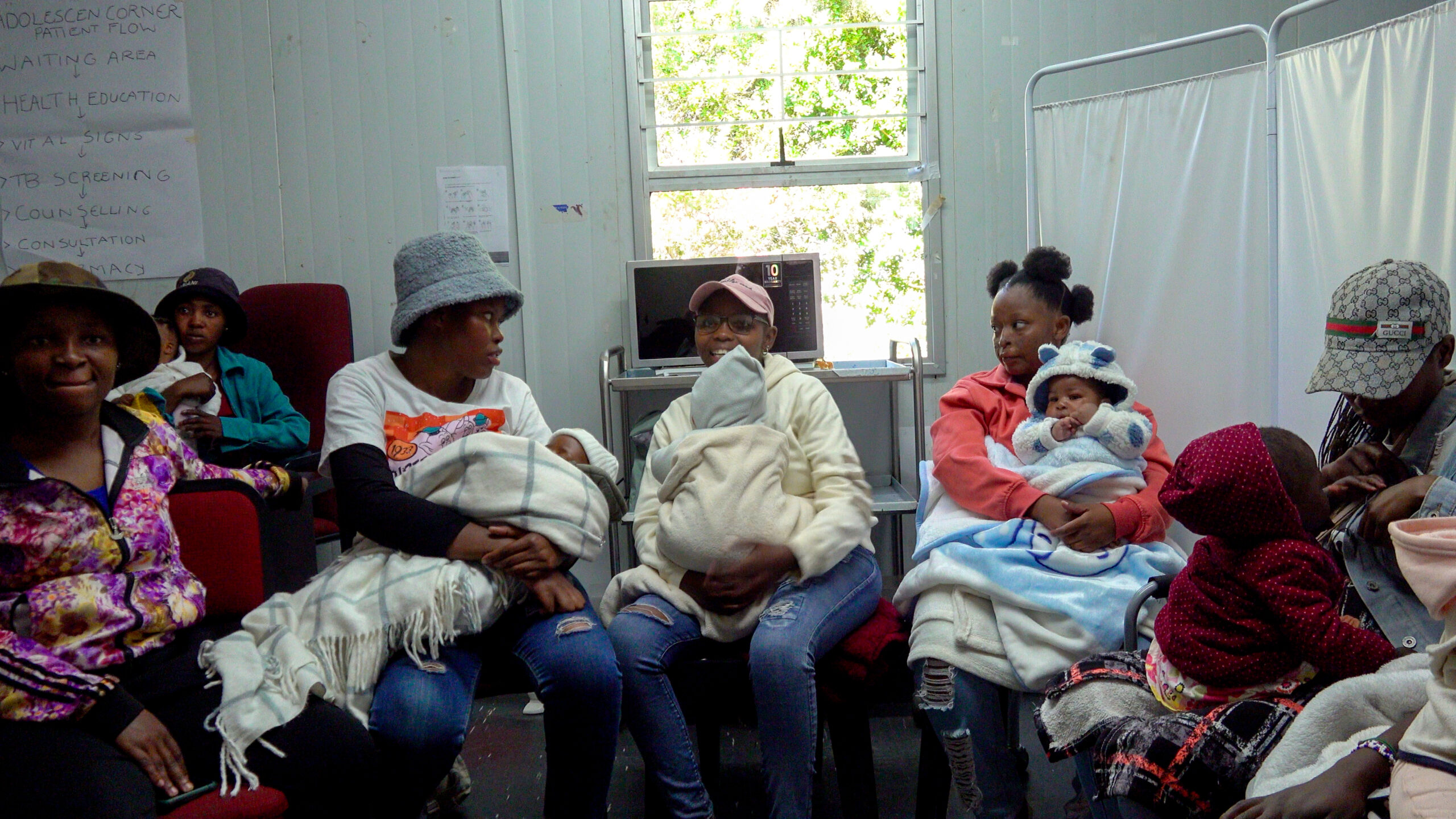
We see that only 67% of children living with HIV know their status, and only 54% of those children are on treatment. My concern is that there is a gap in terms of pregnant women accessing antiretroviral medication. It has been stagnating for the last five or six years. So around 120,000 children are still acquiring HIV every year via their mothers.
For me, the health of a mother and child is where the health of a nation starts. You want the mother to have a safe pregnancy and a healthy baby, free of HIV, free of other diseases—because the first 1,000 days of a child’s life will determine the future of that child. And children are the future of any country.
In recent years, PrEP (pre-exposure prophylaxis) has entered the realm of HIV control. Now there’s lenacapavir. Ending the HIV epidemic really comes down to prevention, right? So what is your hope with these innovations?
You need to understand that there is always a social component when you address an epidemic. And prevention has always been a difficult topic when it comes to HIV. It was a lot easier to introduce care and treatment programs: You have a drug, you treat someone, you follow up, you monitor, and then someone is virally suppressed. But health education about prevention—promoting condom use or even abstinence—has been more difficult.
Now we have new pharmaceutical tools, including oral PrEP, which carry a lot of promise. And we are thankful that the pharmaceutical industry has reduced the prices to make them more affordable.
But it needs to be brought to scale so that every woman, every man, that is at risk of HIV is able to access it freely and without stigma. With PrEP, once someone is initiated on treatment, that person must take a daily pill. So that pill must be available, and that person needs to be counseled to overcome any reticence to take the pill. There is still stigma around HIV, and this extends to the partners of people living with HIV, so it’s not as simple as just having it in stock.
With that said, PrEP is not regularly and consistently stocked in many health centers. And social awareness around PrEP is low because of budget cuts to programs that help educate communities.
Now, with the coming of lenacapavir, a long-acting injectable, it could really be even more of a game changer—because it gives someone protection from HIV without the need to worry about a daily pill. It may actually be more acceptable than PrEP by people that are at risk. But, again, it must be stocked, and there needs to be resources to educate the public.
Innovations only innovate if they are available and people can access them.
Is there anything you’re seeing in the HIV response in African countries right now that genuinely worries you?
What worries me is the uncertainty of this moment. With all the political changes around the world, nothing is certain. And what people living with HIV need is certainty. They need continuity of their treatment. HIV for many people has become a chronic disease that they can live with. But if we cannot guarantee their access to treatment, we may quickly fall back to a time when people were dying in great numbers.
So we need to ensure that HIV resources are available, that we are not trapped in a political environment where suddenly it’s no longer the priority to sustain these services.
The single most important thing all countries need to commit to is securing continuity of antiretroviral medication and HIV test kits—and to be able to offer viral load monitoring. If we begin losing clients at some point because there is a stockout for a couple of months, that is going to be devastating to the progress that we have made.
Tell me about the importance of maintaining the social network that has been built up in so many communities over the last 10 or 20 years, the mentor mothers, the peer support groups, home testing, and so on.
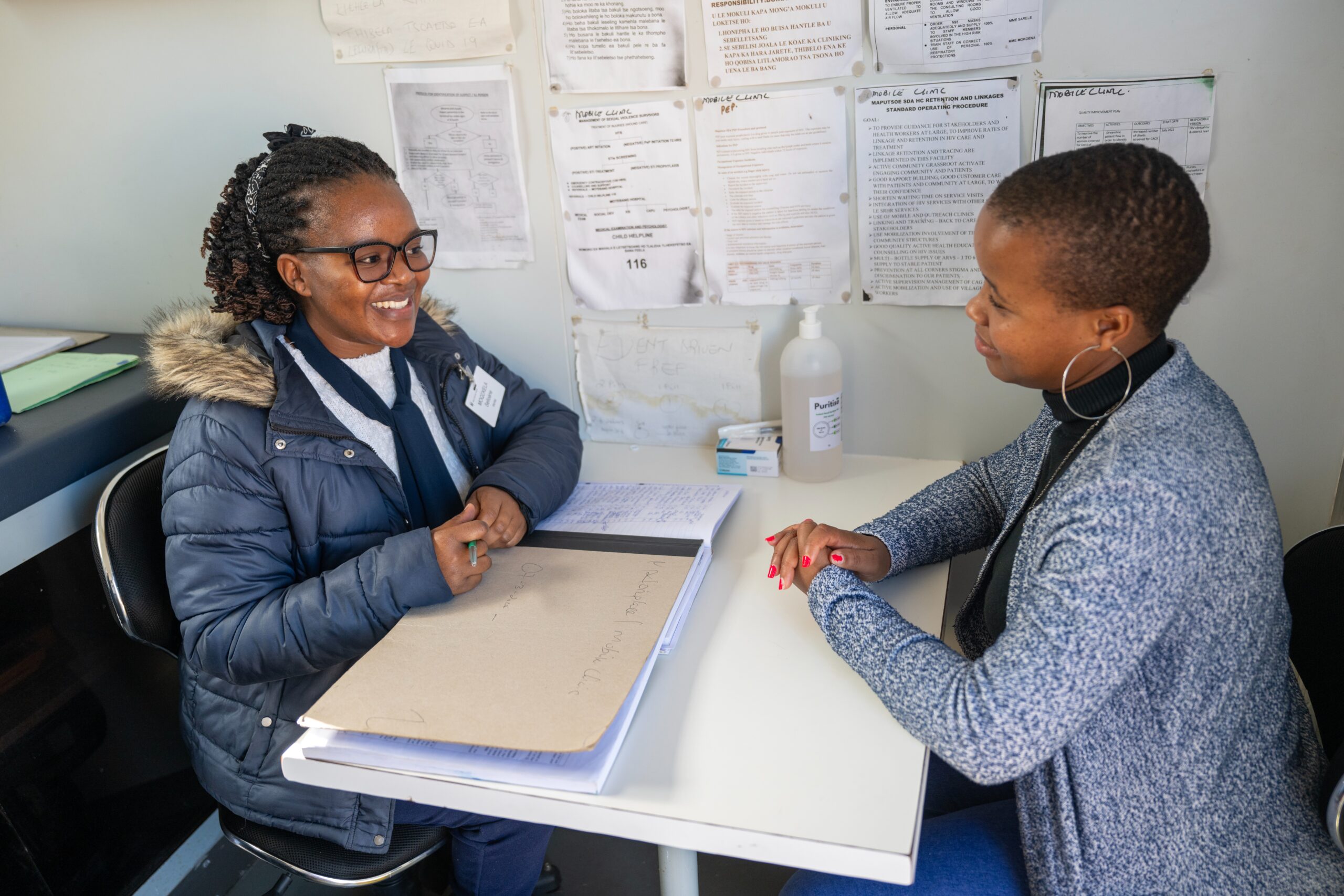
Civil society is critical for any service delivery. For HIV—for any maternal and child health service—you need the community to be engaged. Community is where the people live, not in the clinic. So they need to be able to rely on good systems from within the community.
What we have been seeing, with the funding cuts, is that the HIV effort has had to pull back and concentrate on limited service delivery through government systems. Support groups and other community services delivered by civil society organizations and NGOs have stalled in many locations. Yet those services are so critical to addressing issues of stigma and to normalizing HIV as a condition that can be controlled—so that people will seek testing and treatment.
This applies especially to priority populations, including women and children. A pregnant woman living with HIV has a short window during which to protect her child. And a child cannot come to a health center without the help of adults. Support for these individuals requires strong community support.
What’s the path forward for EGPAF?
EGPAF has been here for 38 years now, fighting for an HIV-free generation. We started very simply, around the kitchen table, with three women who wanted to do something about the injustice of children who were destined to die because they had no access to HIV medication. Elizabeth Glaser and her friends succeeded in the United States. And for 25 years, EGPAF has been a global organization, supporting many countries and millions of mothers and children.
But the world is changing. When EGPAF started, nobody knew how to save children. Now we know. And we have helped build capacity to reach mothers and children with lifesaving services. We are proud of the progress in these countries, proud of the governments, the health facilities, the clinicians, the nurses. But we have not yet reached the last mile.
So our role is changing again. We don’t have to be a direct implementer anymore. Instead, we have become a strategic partner to support countries through technical assistance. We need to ensure that pharmaceutical companies continue producing optimized regimens, that any innovation, any new tool that is coming into play will be passed on, and countries will be able to access it and introduce it within their systems.
And we need to ensure countries establish strong integrated data systems that enable monitoring services to the mother-baby pair along the continuum of care. Without access to good data it will be hard to follow up on the needs, address the gaps and share progress towards achieving our joint goals.
And, hopefully, in a couple of years’ time, we can say we have been successful; we have accomplished our mission. It will require a continuous commitment of organizations, of governments, of people to reach that last mile.