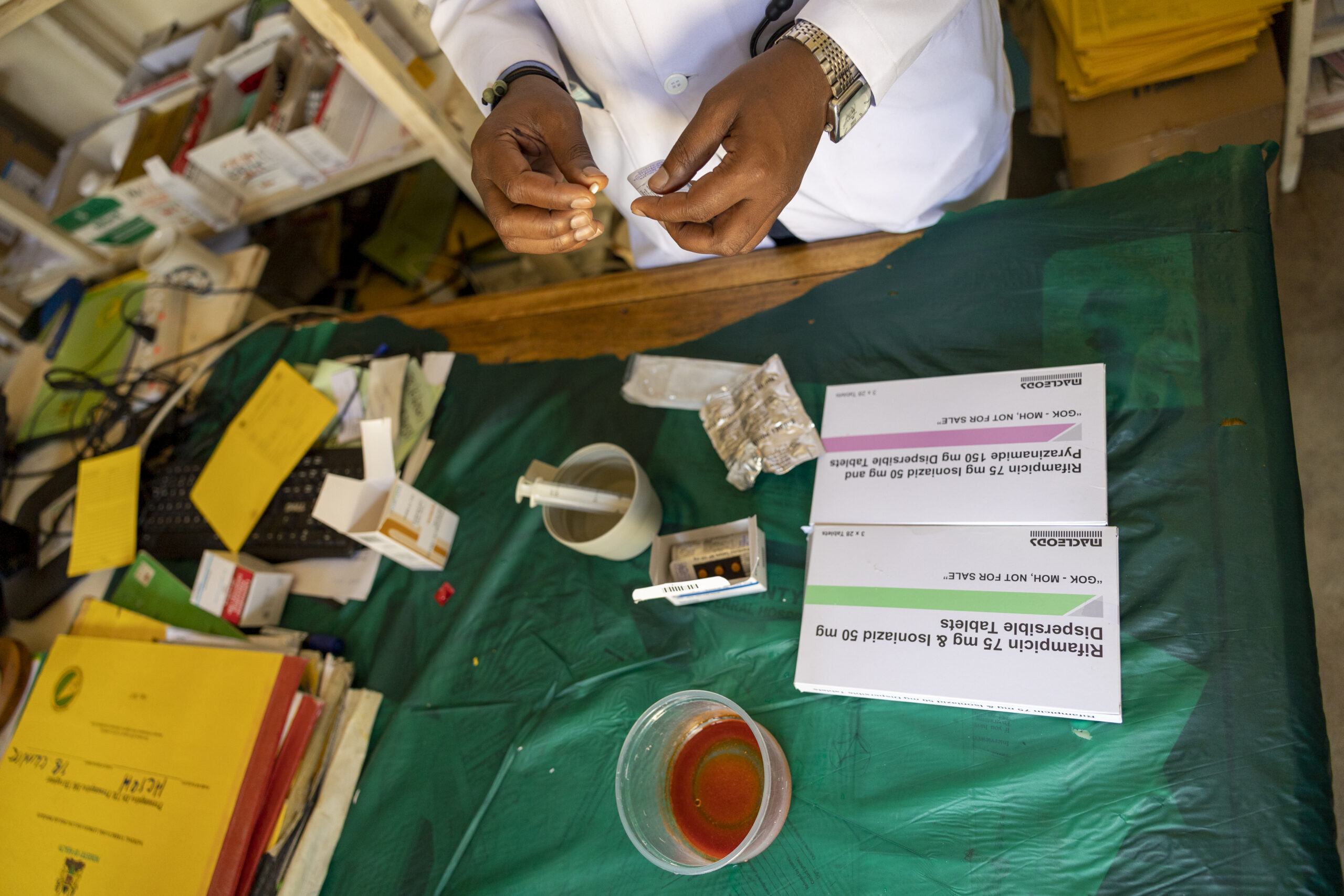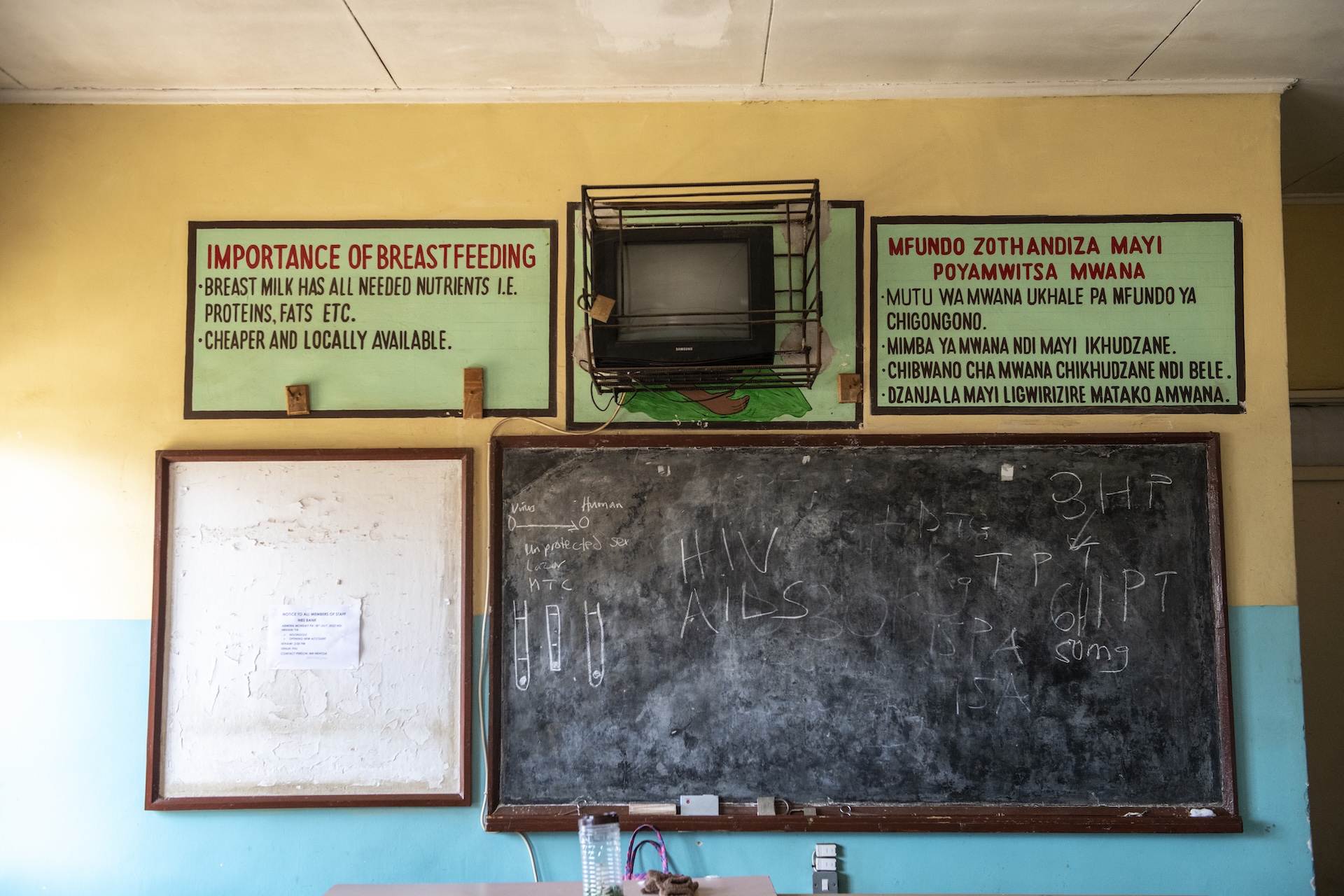
In 2022, an estimated 1.25 million children <15 years of age developed tuberculosis (TB) worldwide, but >50% remained undiagnosed or unreported. WHO recently recommended integrated and decentralized models of care as an approach to improve access to TB services for children, but evidence remains limited. The Catalyzing Paediatric TB Innovation project (CaP-TB) implemented a multi-pronged intervention to improve TB case finding in children in nine sub-Saharan African countries. The intervention introduced systematic TB screening in different facility-based child-health entry-points, decentralisation of TB diagnosis and management, improved sample collection with access to Xpert® MTB/RIF or MTB/ RIF Ultra testing, and implementation of contact investigation. Pre-intervention records were compared with those during intervention to assess effect on paediatric TB cascade of care. The intervention screened 1 991 401 children <15 years of age for TB across 144 health care facilities. The monthly paediatric TB case detection rate increased significantly during intervention versus pre-intervention (+46.0%, 95% CI 36.2–55.8%; p<0.0001), with variability across countries. The increase was greater in the <5 years old compared to the 5–14 years old (+53.4%, 95% CI 35.2–71.9%; p<0.0001 versus +39.9%, 95% CI 27.6– 52.2%; p<0.0001). Relative contribution of lower-tier facilities to total case detection rate increased from 37% (71.8/191.8) pre-intervention to 50% (139.9/280.2) during intervention. The majority (89.5%) of children with TB were identified through facility-based intensified case-finding and primarily accessed care through outpatient and inpatient departments. In this multi-country study implemented under real-life conditions, the implementation of integrated and decentralized interventions increased paediatric TB case detection. The increase was driven by lower-tier facilities that serve as the primary point of healthcare contact for most patients. The effect was greater in children < 5 years compared to 5–14 years old, representing an important achievement as the TB detection gap is higher in this subpopulation. (Study number NCT03948698)