This brief outlines the allocation process for the Global Fund to Fight AIDS, Tuberculosis, and Malaria, which can be used by implementing partners to procure funding. It includes a checklist and messages to ensure children, adolescents, & youth are prioritized in Global Fund proposals
Explore Related Resources
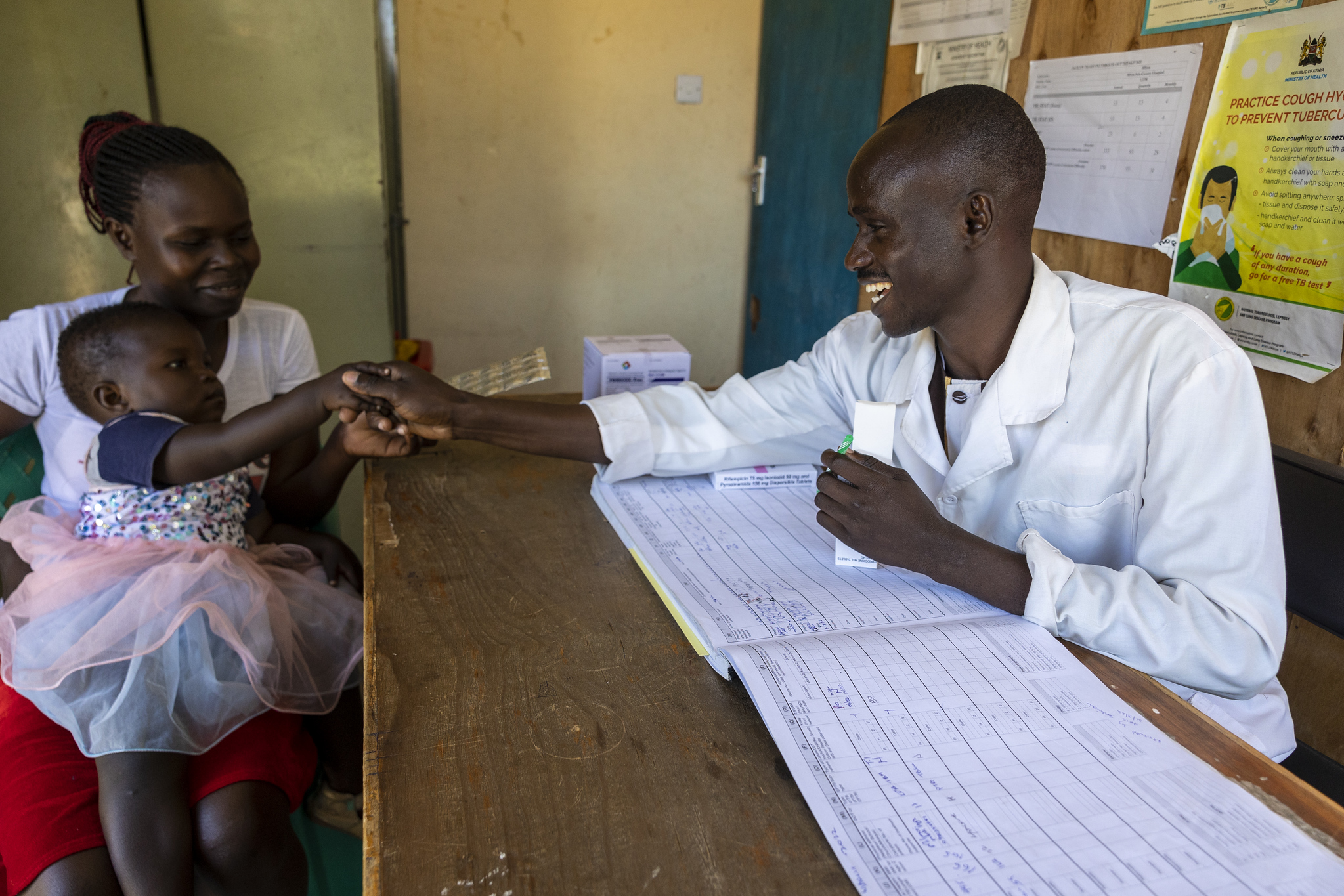
Child,Precious Ogweno accompanied by caregiver Leah Ogweno, at the TB clinic -HEI in Mbita sub county hospital, Mbita, Homabay. Photo by Kevin Ouma for EGPAF.
Journal Articles
Tuberculosis Preventive Treatment Uptake Among Patients Initiating Antiretroviral Therapy in Malawi: Children Left Behind
Published November 2025
Background: Tuberculosis preventive treatment (TPT) is recommended for people living with HIV (PLHIV) to reduce the tuberculosis (TB) incidence in regions with a high prevalence of TB. We evaluated the uptake and completion of TPT among newly initiated antiretroviral therapy (ART) patients in a programme setting in Malawi. Objectives: To describe TPT initiation and completion rates, and […]
View Resource
Topics:
Pediatric Tuberculosis (TB),
Tuberculosis (TB)
Countries:
Malawi
Project Brief
Integrating Nurturing Care for Early Childhood Development into Primary Health Care: The Tanzania Experience
Published July 2025
Overview More than 275 million children in low- and middle-income countries are at risk of suboptimal development, including over 66% of children in sub-Saharan Africa. In Tanzania 43% of children are at high risk of not achieving their full potential for growth and development. Risk factors for suboptimal development include poverty, nutritional deficiencies, maternal depression, […]
View Resource
Countries:
Tanzania
sample caption 6
Journal Articles
Accelerating Access to Paediatric Medicines
Published April 2025
Overview Despite progress in reducing neonatal and child mortality, access to age-appropriate medicines remains inequitable, particularly in low-income and middle-income countries. The Global Accelerator for Paediatric Formulations (GAP-f), a WHO-hosted network established in 2020, addresses these gaps by uniting 33 partners to promote innovation and access to child-friendly formulations. Phase 2 (2022–24) of GAP-f’s work […]
View Resource