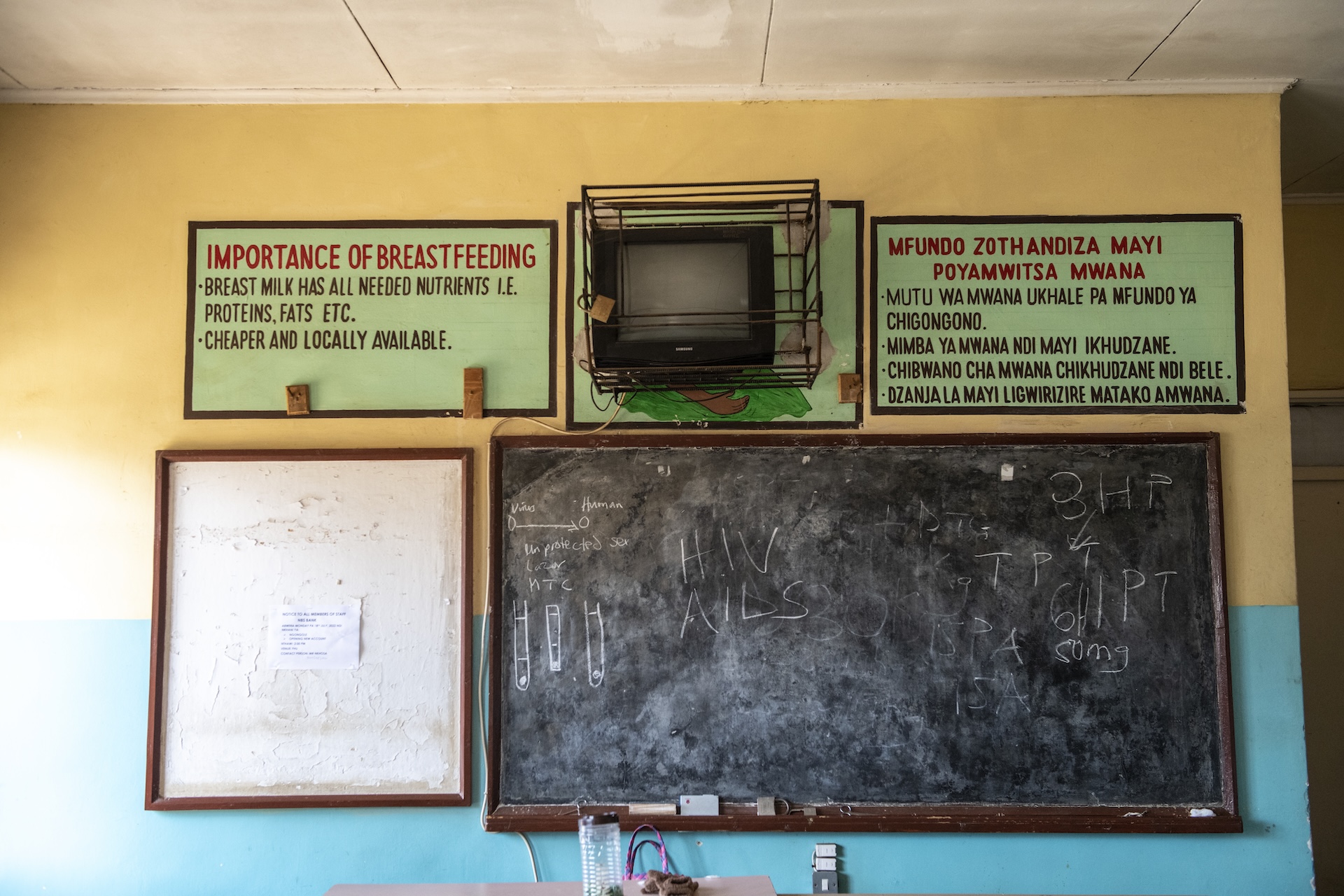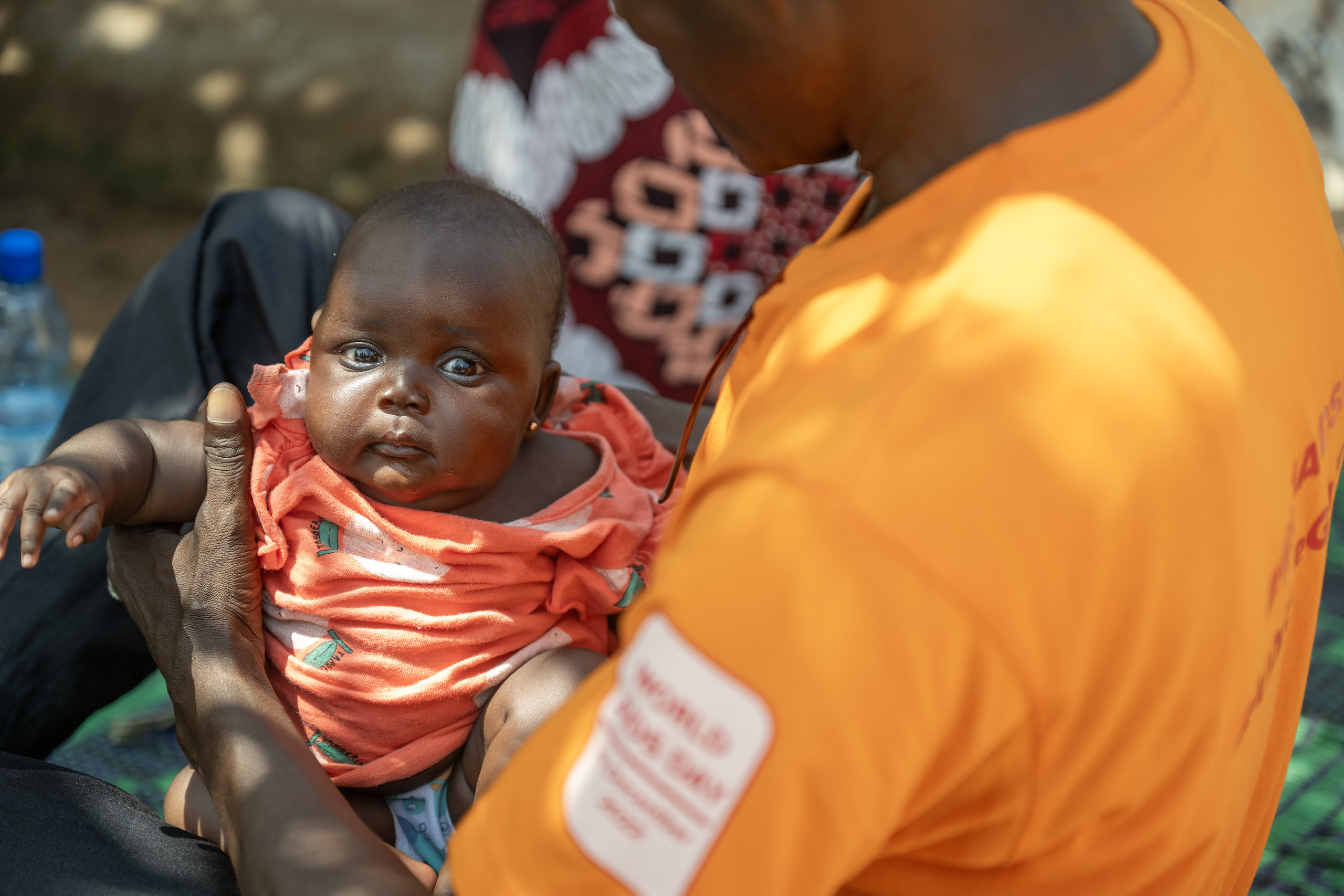
Community-based mobile phone programs can complement gaps in clinical services for prevention of mother-to-child transmission of HIV in areas with poor infrastructure and personnel shortages. However, community and health worker perceptions on optimal mobile phone communication for prevention of mother-to-child transmission are underexplored. This study examined what specific content and forms of mobile communication are acceptable to support the prevention of mother-to-child transmission.
Explore Related Resources
Journal Articles
Unfinished Business in Elimination of Vertical HIV Transmission and Ensuring HIV-Free Survival
Published June 2026
Journal of the International AIDS Society: Volume 29, Issue S1 How do we finally end pediatric HIV? A new supplement from the Journal of the International AIDS Society unpacks this vital question. Co-edited by EGPAF’s Lynne Mofenson, with a commentary from Team EGPAF, the supplement describes the innovations that can finally eliminate vertical transmission and ensure children […]
View Resource
Topics:
HIV,
Prevention of Mother-to-Child Transmission (PMTCT)
Countries:
Global
Journal Articles
Assessing Time Requirements of Two Models of SARS-CoV- 2 Screening and Testing in Routine Healthcare Services in Kenya and Cameroon
Published March 2025
Introduction Incorporating SARS-CoV-2 antigen-detecting rapid diagnostic tests (Ag-RDTs) into routine care settings can facilitate efficient case identification and management in low-resource settings. We assessed the time required to complete SARS-CoV-2 screening and Ag-RDT testing in maternal, neonatal and child health (MNCH), HIV and tuberculosis clinics in selected facilities in Kenya and Cameroon. Methods We conducted […]
View Resource
Countries:
Cameroon,
Kenya
Journal Articles
A Cross-Sectional Study of the Use of Antigen Rapid Diagnostic Tests for Community Identification of Severe Acute Respiratory Syndrome Coronavirus-2 in Kenya
Published January 2025
Overview Mass testing with antigen-detecting rapid diagnostic tests (Ag-RDT), including testing of asymptomatic individuals, is expected to improve the identification of severe acute respiratory syndrome coronavirus-2 (SARS-CoV-2) infections. Mass testing was offered at large gatherings to determine the SARS-CoV-2 case detection rate and the acceptance and cost of implementing this community testing strategy. In 49 […]
View Resource
Countries:
Kenya