Mother-to-child transmission (MTCT) of HIV is an important contributor to HIV transmission. In 2012 an estimated 260,000 children globally were newly infected with HIV, and an estimated 3.3 million children were living with HIV1 . Without prophylactic treatment, approximately 15–30% of infants born to HIV-positive women will become infected with HIV during gestation and delivery, with a further 5–15% becoming infected through breastfeeding2 . HIV infection of infants creates a life-long chronic condition that potentially shortens life expectancy and contributes to substantial human, social, and economic costs. Primary prevention of HIV, prevention of unintended pregnancies, and effective access to testing, counselling, antiretroviral therapy (ART), safe delivery practices, and appropriate infant feeding practices all contribute to prevention of mother-to-child transmission (PMTCT) and reduce child mortality. Syphilis is transmitted sexually and across the placenta during pregnancy. If the disease remains untreated, adverse pregnancy outcomes are frequent. Over half of women with active syphilis will have a stillbirth, perinatal death, pre-term or low-birth-weight infant, or serious neonatal infection3 . Maternal syphilis screening early in pregnancy and prompt treatment of seropositive mothers with intramuscular Benzathine penicillin or another effective regimen cures syphilis in both mother and infant and prevents most complications associated with MTCT of syphilis.
Explore Related Resources
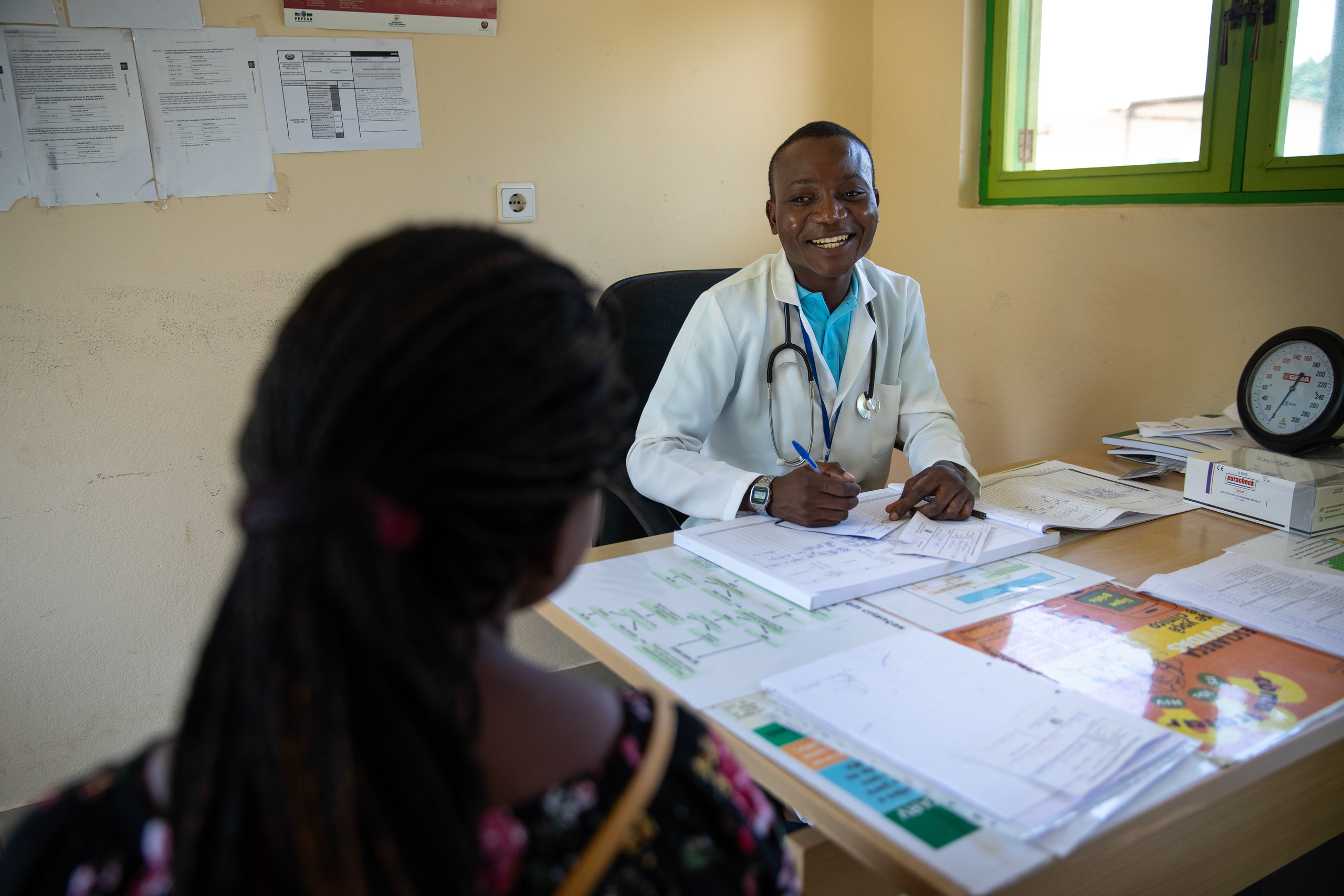
February 2022, HEALTH CENTER OF MACIA, Locality Macia, District of Xai Xai, Gaza Province, Mozambique. A doctor smiling AND doctor in a consultation
Journal Articles
HPV Vaccination Uptake and Acceptability of HPV/HIV Integrated Services Models for Adolescent Girls in Mozambique and Zimbabwe
Published June 2026
This study found that integrating HPV vaccination into HIV prevention and treatment services in Mozambique and Zimbabwe significantly increased vaccine uptake among girls at heightened risk of HPV and cervical cancer, while achieving high caregiver acceptance and satisfaction with the integrated care model.
View Resource
Topics:
Adolescents,
HIV
Countries:
Mozambique,
Zimbabwe
Project Brief
Digital Health at the Elizabeth Glaser Pediatric AIDS Foundation
Published November 2024
The Elizabeth Glaser Pediatric AIDS Foundation (EGPAF) partners with ministries of health to design, develop, deploy, and maintain national health information ecosystems. A proven leader in the fight to end HIV and AIDS, EGPAF’s experience shows that digital health solutions—and the strategic data we’re able to capture and leverage—will be key to reaching and sustaining […]
View Resource
Topics:
General
Adolescents join for a field day at Lobamba clinic in Eswatini
Journal Articles
Follow-Up Outcomes of Children, Adolescents, and Young People on Darunavir-Based Third-Line Antiretroviral Therapy
Published October 2024
Background: We assessed clinical outcomes among children, adolescents, and people younger than 25 years on darunavir-based antiretroviral therapy (ART) in 9 sub-Saharan African countries. Setting: Third-line ART centers in Cameroon, Eswatini, Kenya, Lesotho, Nigeria, Rwanda, Uganda, Zambia, and Zimbabwe. Methods: From January 2019 to December 2022, we collected data from a cohort of children, adolescents, and young people […]
View Resource
Topics:
Adolescents,
Pediatric HIV
Countries:
Cameroon,
Eswatini,
Kenya,
Lesotho,
Nigeria,
Rwanda,
Uganda,
Zambia,
Zimbabwe