Using the Cost Effectiveness of Preventing AIDS Complications (CEPAC)—Pediatric model, the study team examined the clinical benefits, costs, and cost-effectiveness of replacing conventional assays for early infant HIV diagnosis with point-of-care (POC) assays at age 6 weeks in Zimbabwe. Compared with conventional assays, POC assays for early infant HIV diagnosis in Zimbabwe were found to improve survival, extend life expectancy of HIV-exposed infants. They are also more cost-effective than conventional assays.

Explore Related Resources
Issue Briefs
Accelerating Progress to Ending Pediatric HIV
Published March 2026
We are at a critical inflection point for children affected by HIV. In 2024 alone, 120,000 children were newly infected, and, without timely treatment, half of HIV positive infants will not reach their second birthday. Children remain left behind—a child with HIV is 6 times more likely to die than an adult without timely diagnosis. […]
View Resource
Topics:
HIV,
Pediatric HIV
Countries:
Global
Resource
Protecting Lives, Sustaining Progress
Published March 2026
The following landscape analysis of maternal and child health, HIV prevention, diagnosis, and treatment, and the historic strength of U.S. leadership in global aid provides an overview of these key areas of global health and recommendations for U.S. Congressional engagement and prioritization.
View Resource
Topics:
Advocacy,
Children,
Global Health Security,
Health System Strengthening,
HIV,
Maternal and Child Health,
Mothers and Infants,
Women
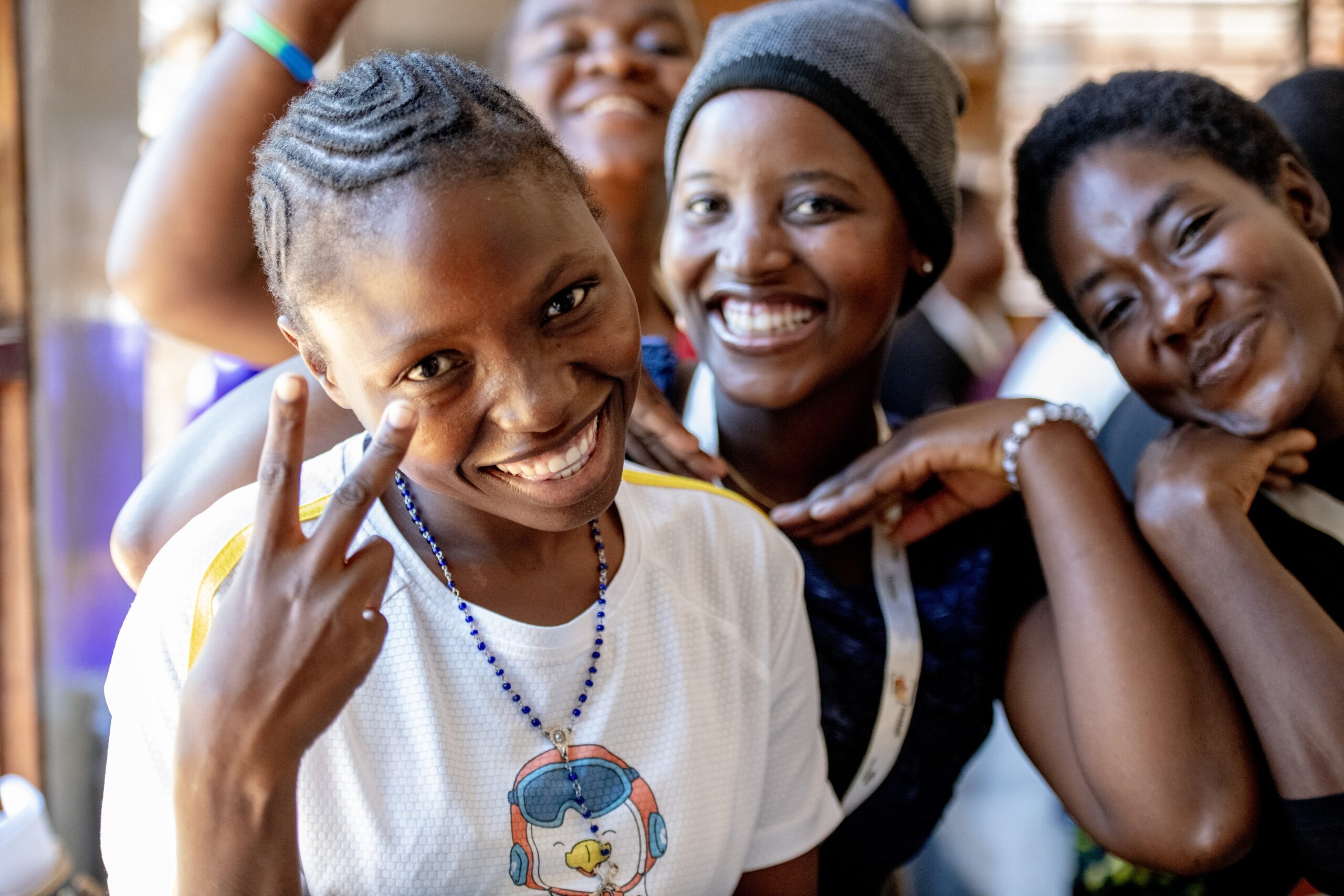
Adolescents join for a field day at Lobamba clinic in Eswatini
Journal Articles
Follow-Up Outcomes of Children, Adolescents, and Young People on Darunavir-Based Third-Line Antiretroviral Therapy
Published October 2024
Background: We assessed clinical outcomes among children, adolescents, and people younger than 25 years on darunavir-based antiretroviral therapy (ART) in 9 sub-Saharan African countries. Setting: Third-line ART centers in Cameroon, Eswatini, Kenya, Lesotho, Nigeria, Rwanda, Uganda, Zambia, and Zimbabwe. Methods: From January 2019 to December 2022, we collected data from a cohort of children, adolescents, and young people […]
View Resource
Topics:
Adolescents,
Pediatric HIV
Countries:
Cameroon,
Eswatini,
Kenya,
Lesotho,
Nigeria,
Rwanda,
Uganda,
Zambia,
Zimbabwe