Building Smarter Health Systems for HIV and Beyond
EGPAF proudly partners with Ministries of Health (MOHs) across Africa to design, develop, deploy, and maintain national health information ecosystems, to achieve strategic data use. Our approach blends our technical expertise in the delivery of health services with our capabilities in digital health, to ensure that tools and approaches serve to strengthen national data systems for the improvement of patient health services.
Our Unique Approach
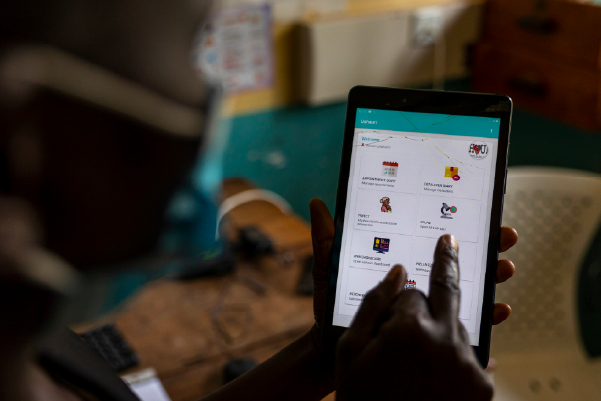
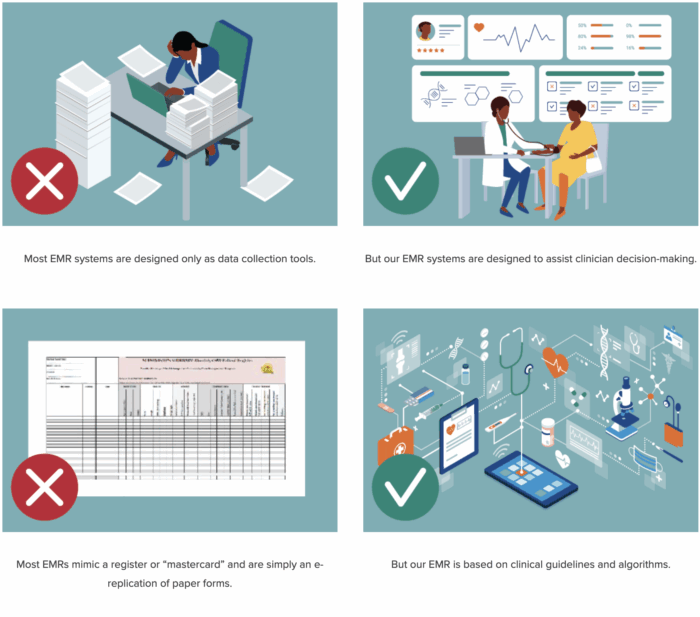
EGPAF-supported EMR systems offer nation-wide coverage, clinical decision support, multi-disease and clinic/hospital-wide points-of-contact coverage, unique patient identification, data quality assurance applications, data transmission and aggregation at comprehensive central data repositories, and a one-stop-shop data analytic platform.
Data for the People
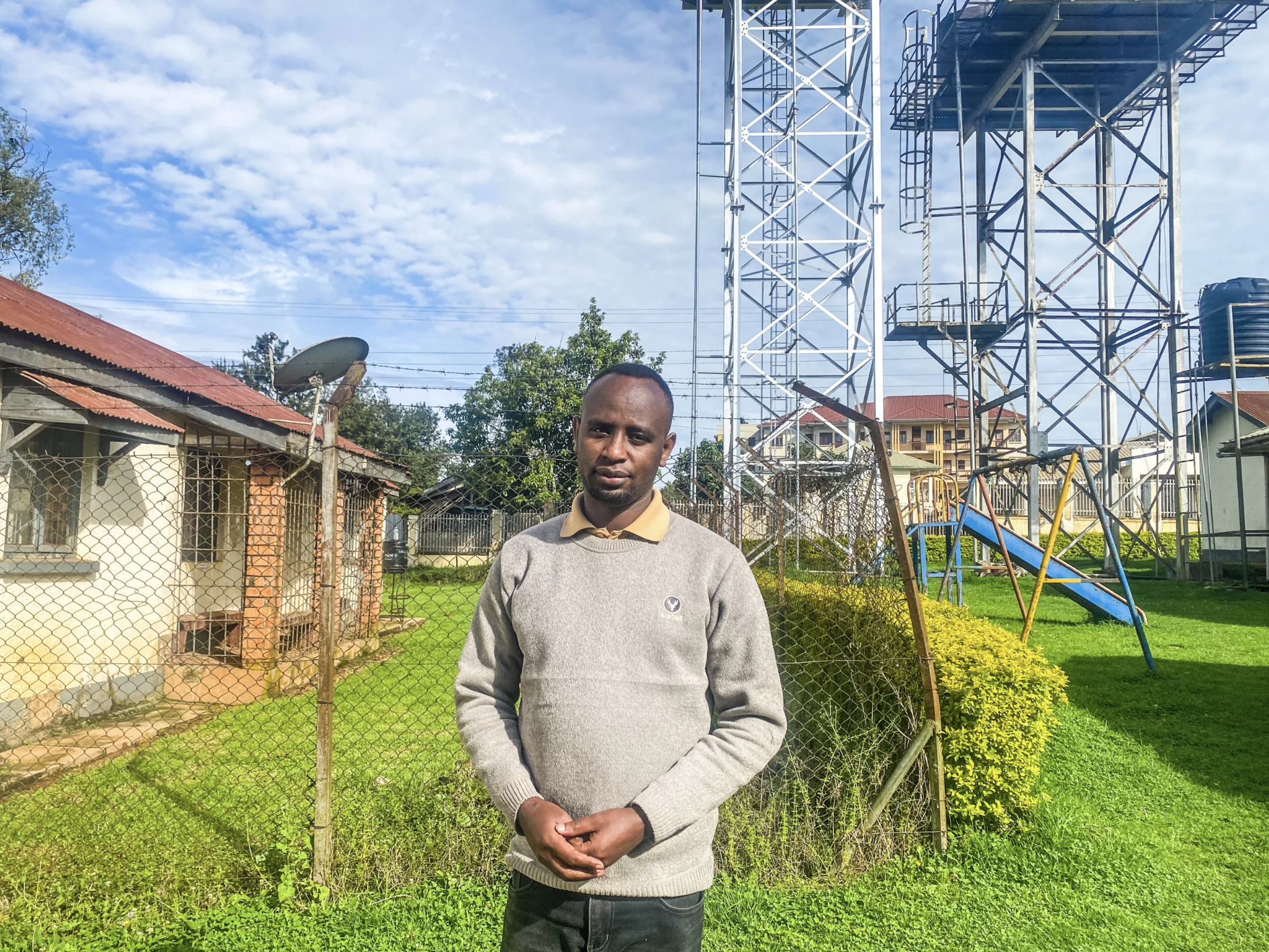
How Clinical Management Meets Quality of Care in Malawi
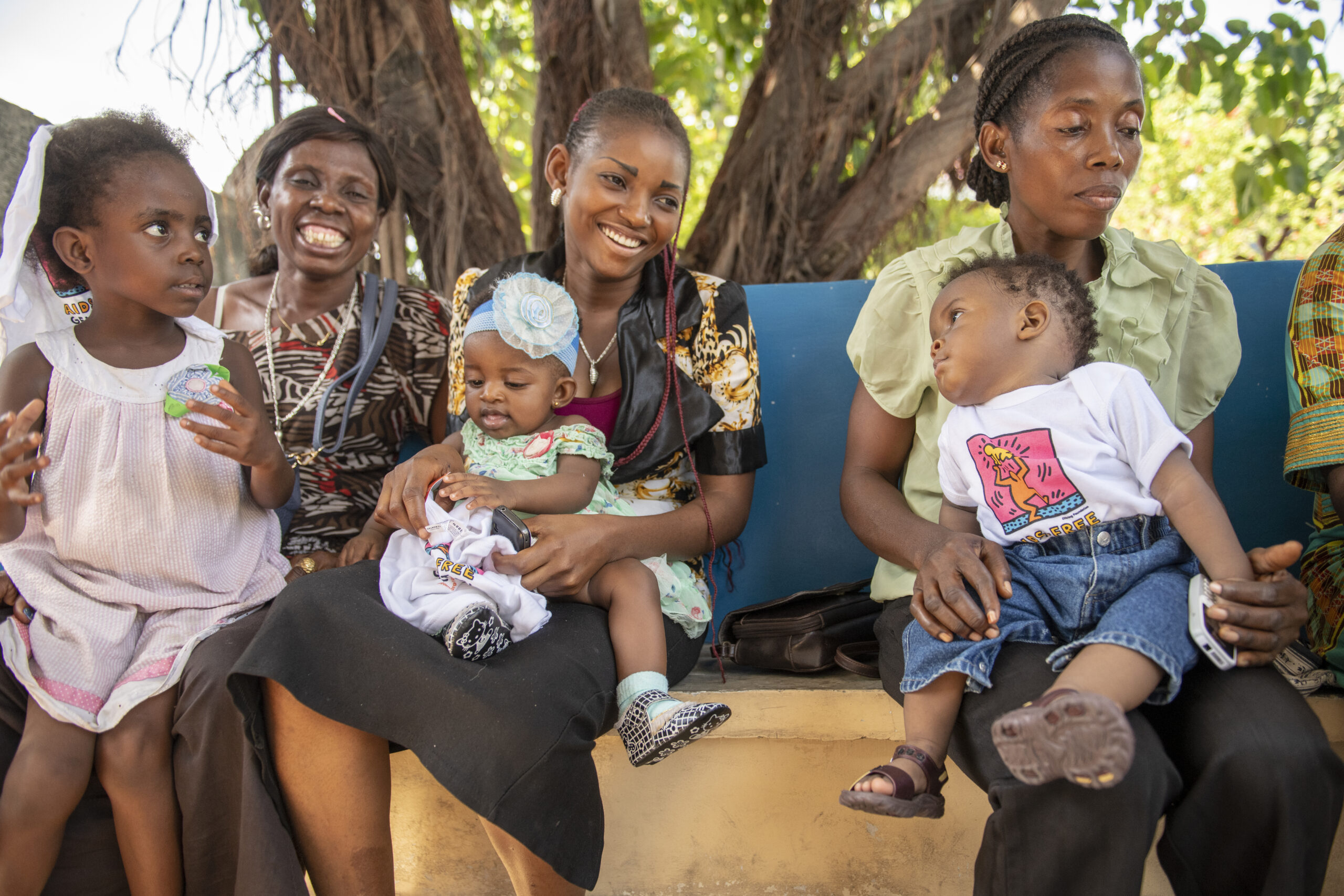
At a busy clinic in Mchinji, Malawi, EGPAF helped replace mountains of paper files with an electronic health records system—giving clinicians more time for patients, improving follow-up, and helping mothers and children stay connected to life-saving HIV services.
Working with Ministries of Health across Africa, EGPAF builds sustainable technology solutions to advance precision health care.
Clinic-wide HIS and use of EMR systems
EGPAF develops and supports clinic- and hospital-wide information systems linked to electronic medical records (EMR) that are integrated and interoperable across health programs, labs, pharmacies, and payment systems.
Interoperable Systems
EGPAF ensures integration and interoperability of systems and modules for improved patient care, and seamless exchange of information from the patient, community, and facility.
Data Lakes and Big Data
EGPAF managed Data Lakes aggregate and manage data, including collection, consolidation, processing, storage, modeling, and data visualization, enabling MOH program managers to discover useful insights to guide decision-making.
Health Informatics
EGPAF dashboards and health informatics tools help country leaders map out existing resources and gaps, to more accurately respond to client needs and to triangulate data from multiple sources to drive policy and resource allocation.
Digital Tools for Patients and Providers
EGPAF develops and adapts a wide range of SMS tools and mobile applications to help providers support patients in tracking their own healthcare, interact more seamlessly with the health system, and access information.
AI and Machine Learning
EGPAF is harnessing the power of AI and machine learning to provide improved care to the people who need it most, leveraging the vast platform of data within EMR systems and national data repositories.
Scaling HIS Infrastructure
EGPAF works closely with MOHs to train and support MOH infrastructure teams to design, deploy, and maintain all infrastructure required for National Health Information Systems.
Partnerships and Investment
EGPAF partners with a variety of technology companies that offer solutions to advance our vision for digital health use in the HIV space, and that provide value to MOHs, in keeping with their program needs.
Get to know our approach to digital health across Africa.
Digital innovation is transforming how health workers deliver care, track progress, and save lives. Keep reading to see how EGPAF is using data-driven solutions to strengthen health systems and bring care closer to every mother and child.
Reabetsoe with his mother, Motšelisi – Eric Bond/EGPAF 2024
Reabetsoe waves and laughs as his mother, Motšelisi Tsubane, 23, leans in, singing his name and dangling a homemade ball. Reabetsoe is a healthy 4-month-old, learning how to focus his eyes and move his arms and legs. He has transformed this family. “My son likes it when I sing lullabies for him—you see him smile and act happy,” […]
WASHINGTON, D.C., Oct. 2, 2025 — The Elizabeth Glaser Pediatric AIDS Foundation (EGPAF) has received a $1.5 million award from the Gates Foundation to launch Common Ground for Global Health, a new initiative aimed at revitalizing bipartisan support for U.S. global health programs, with a focus on maternal, newborn and child health, and HIV. Reaching a New Generation of […]
Overview More than 275 million children in low- and middle-income countries are at risk of suboptimal development, including over 66% of children in sub-Saharan Africa. In Tanzania 43% of children are at high risk of not achieving their full potential for growth and development. Risk factors for suboptimal development include poverty, nutritional deficiencies, maternal depression, […]