Bill Gates Pens Annual Letter, Challenges Myths that Prevent Global Progress
"The belief that the world can’t solve extreme poverty and disease, isn’t just mistaken. It is harmful.” - Bill Gates Keep reading

"The belief that the world can’t solve extreme poverty and disease, isn’t just mistaken. It is harmful.” - Bill Gates Keep reading
“Anything I can do to help others feel comfortable in their own skin while living with HIV/AIDS, I’ll be a part of it.” Keep reading
Michelle Betton is EGPAF’s Associate Communications Officer based in Washington, D.C. Last month, Michelle traveled to EGPAF sites throughout Mozambique. Stay tuned for more stories from Michelle and other EGPAF team members. Keep reading

This video from the Center for Strategic and International Studies (CSIS), examines the link between HIV and cervical cancer in Zambia. Keep reading

Inter Press Service (IPS) spoke with Dr. Lucy Matu, director of technical services at the Elizabeth Glaser Pediatric AIDS Foundation, about the challenges to providing HIV treatment to pediatric patients. This article was originally posted on Jan. 10, 2014. Keep reading

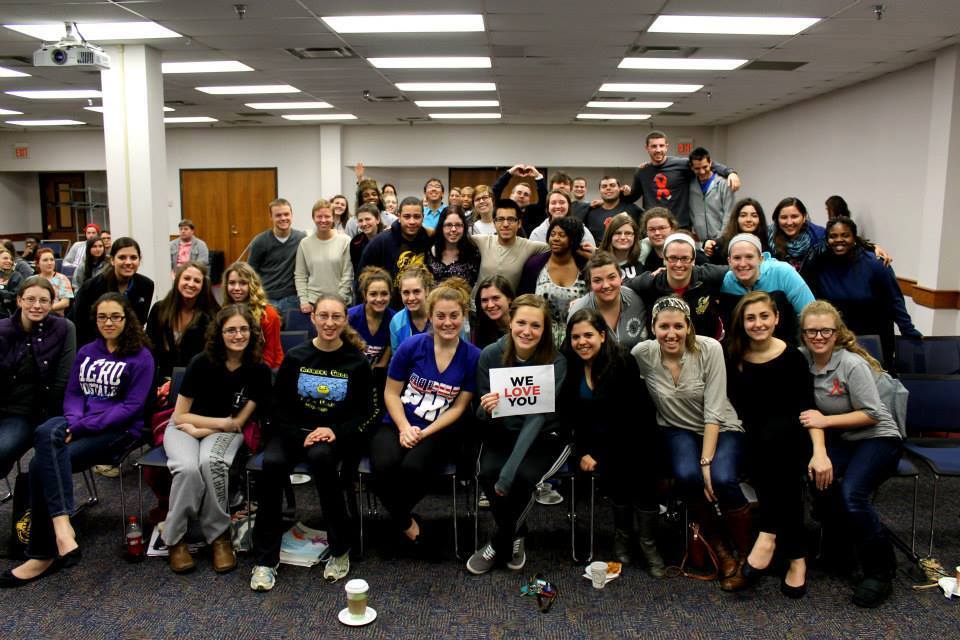
After this fall’s successful sneak preview of the documentary, “Blood Brother,” the Elizabeth Glaser Pediatric AIDS Foundation (EGPAF) will bring this moving film to UP 4 THE FIGHT campuses nationwide! Keep reading
This week, we’re reading about how the global HIV/AIDS landscape is evolving as we race toward the 2015 Millennium Development Goal finish line. Keep reading

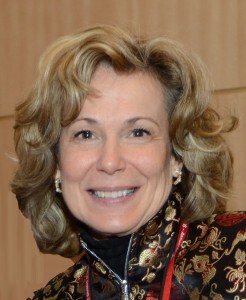
EGPAF CEO Charles Lyons offers his congratulations to Deborah Birx, M.D. on her nomination as U.S. Global AIDS Coordinator. Keep reading
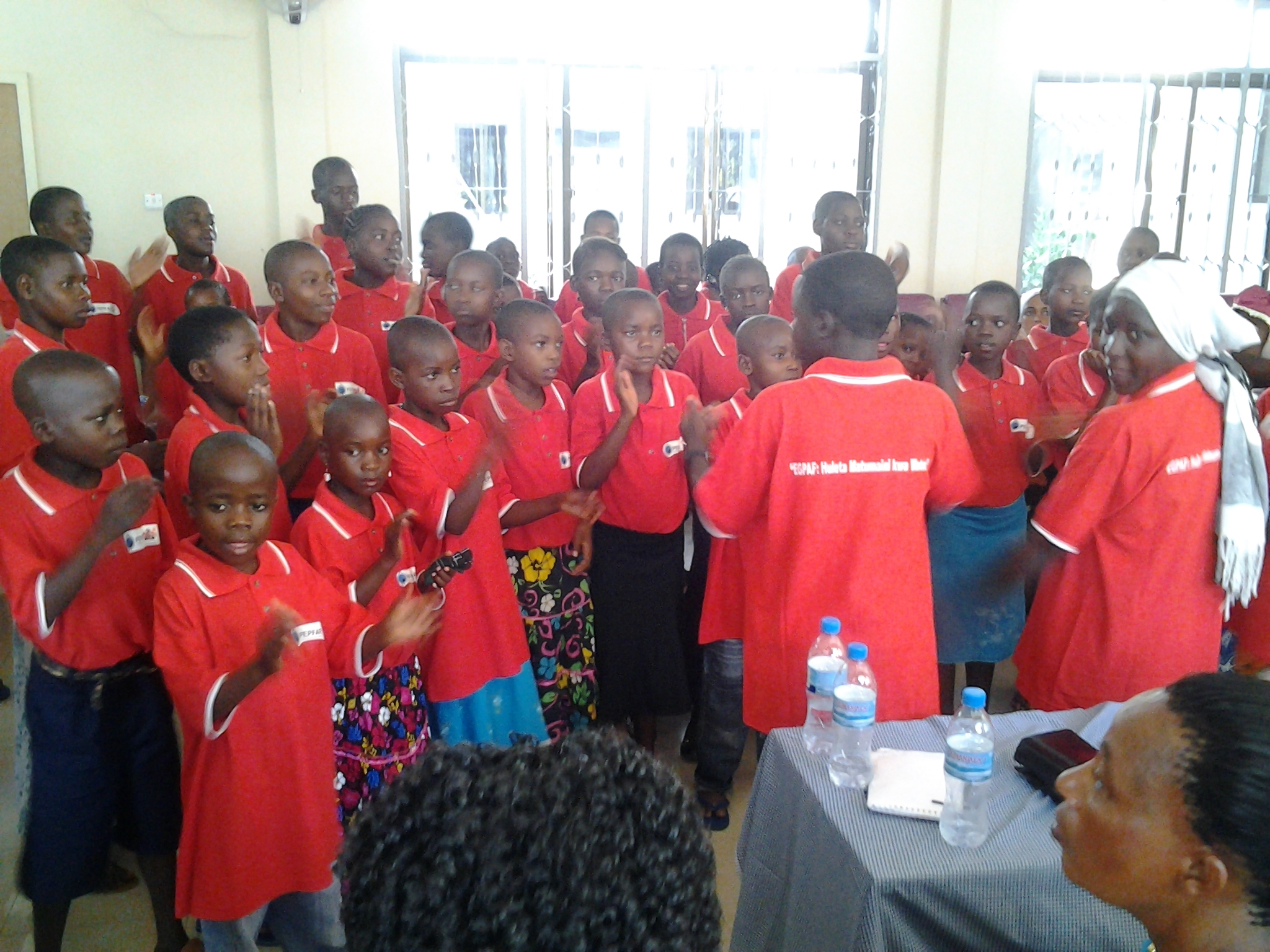
Last year, more than 138 HIV-positive children in Tanzania attended Ariel Camps, hosted by the Elizabeth Glaser Pediatric AIDS Foundation. Keep reading