President Obama’s political commitment to an AIDS-free Generation is so important—expanded research into a cure for children and adults could be the catalyst that will allow us to see the end of AIDS within this lifetime. Keep reading

This February, the Elizabeth Glaser Pediatric AIDS Foundation (EGPAF) celebrates Black History Month with a new series, “Our Voices in the Fight.” Keep reading

Check out this video recap of our latest Dance Marathon at the College of the Holy Cross in Worcester, MA. Keep reading

"I believe that Elizabeth has paved the way for us -- she is my hero and I will forever celebrate her efforts. I hope one day our fight will be a story that I will tell my children and my grandchildren. Join us in this fight and make a difference -- there is an ambassador in you as well!" -- Florence Ngobeni-Allen Keep reading

Additional work is needed in order to better address the needs of children impacted by the HIV pandemic, and UNICEF’s report helps to identify those needs Keep reading

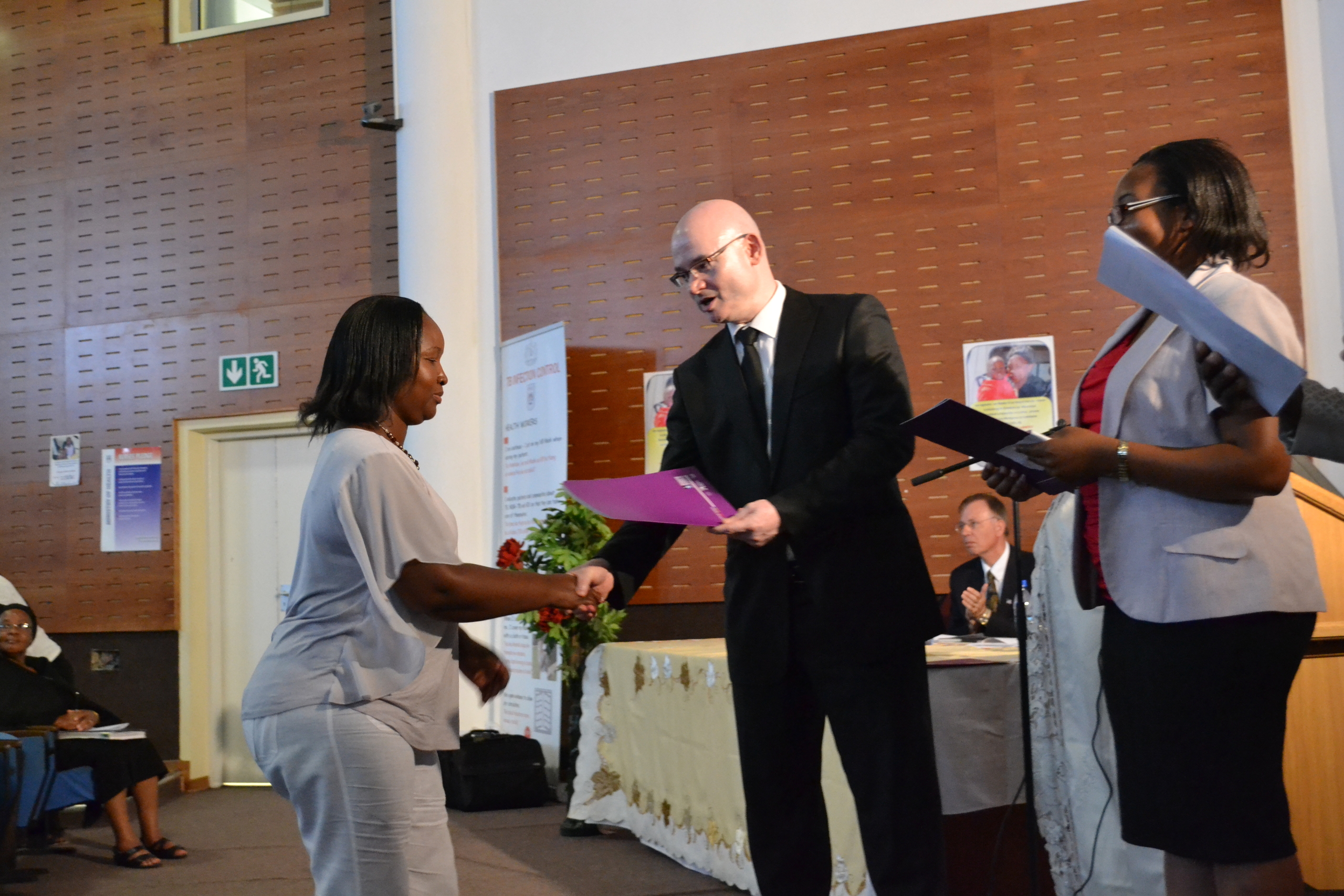
On January 17, more than 70 health care professionals from Lesotho graduated with certificates from the first-ever Partnership for Management Development (PMD) program offered through the University of Cape Town (UCT). Keep reading
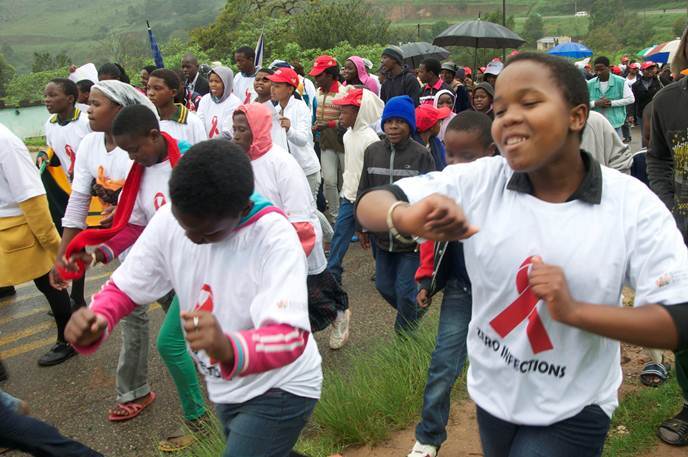
Summer drizzle could not dampen the spirits of more than 500 activists who marched against AIDS in West Mbabane, Swaziland, on Dec. 7, 2013. Keep reading
Here at the Elizabeth Glaser Pediatric AIDS Foundation (EGPAF), we have been paying especially close attention to the funding levels for State and Foreign Operations (SFOPS), and Labor Health and Human Services (LHHS), which support critical HIV/AIDS programs and biomedical research. Keep reading

Jeremy Dixon will climb Africa’s “big five” mountain peaks during a 10-week period to raise money and awareness for the Elizabeth Glaser Pediatric AIDS Foundation (EGPAF) and the fight against pediatric AIDS. Keep reading