Thanks to support from friends and family, participants at this year’s Dance Marathon at the University of California, Los Angeles (UCLA) raised more than $445,000 for the fight against pediatric HIV/AIDS. Keep reading

In Tanzania, EGPAF donated three vehicles which will allow health workers to provide better care, treatment, and prevention services to people living with HIV. Keep reading

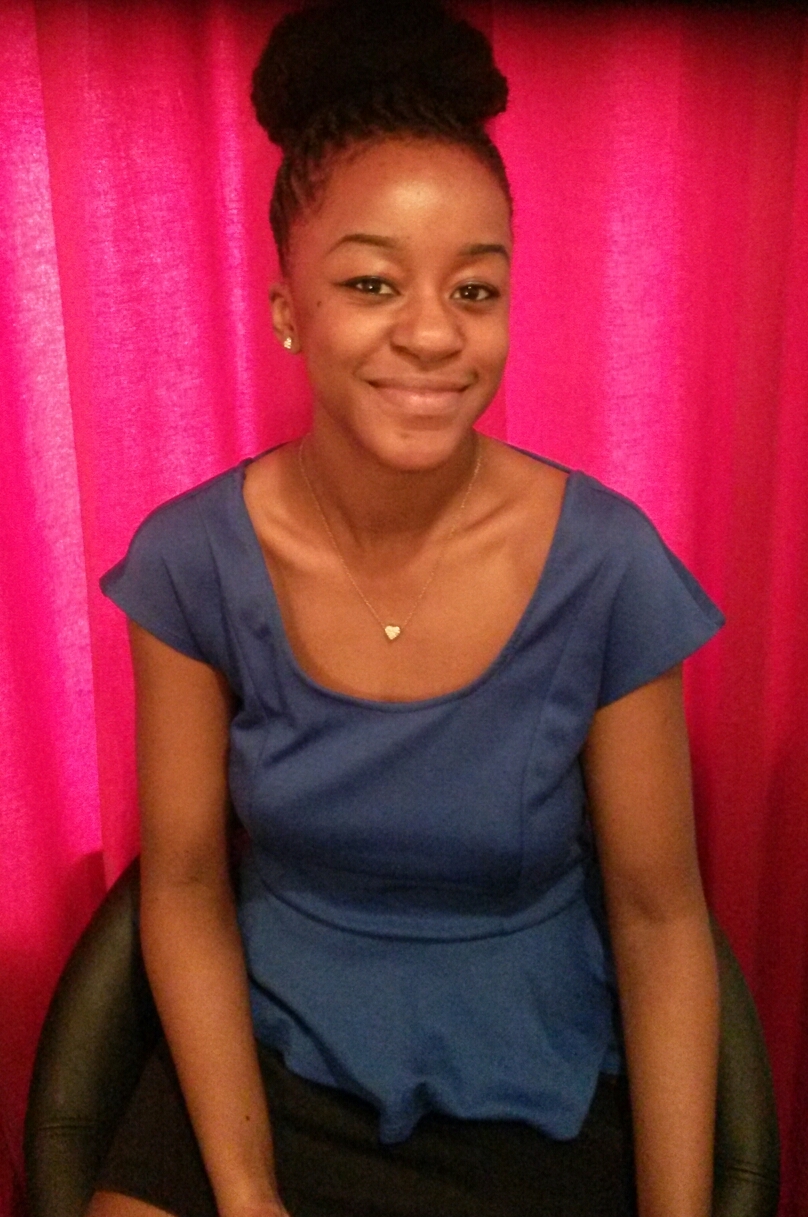
In celebration of National Youth and HIV/AIDS Awareness Day, EGPAF Foundation Ambassador Florida Mwesiga talks candidly about the realities of HIV/AIDS in teenagers. Keep reading
A woman dies from complications related to pregnancy or childbirth every two minutes. Help EGPAF, The Center for Health and Gender Equity (CHANGE), and other great organizations mark the first International Day for Maternal Health and Rights. Keep reading

In Zambia, EGPAF partners with Tiny Tim and Friends (TTF) to provide training and mentorship services for their health counselors. Keep reading

Children and teens are among the most vulnerable populations affected by HIV/AIDS and the Elizabeth Glaser Pediatric AIDS Foundation (EGPAF) applauds innovative ways of teaching young people how to prevent the spread of HIV/AIDS. Keep reading
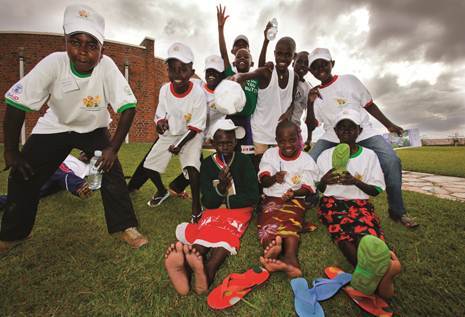
The Kabeho Study allows researchers to take a close look at the impact of many of the programs and policies EGPAF has helped establish since it began working in Rwanda in 2001. Keep reading

Children and teens are among the most vulnerable populations to new HIV/AIDS infections. As a result, UNESCO recently published a new report discussing challenges and opportunities to target youth through education campaigns. Keep reading

We are examining how these diseases and the efforts to combat them are linked to efforts to end HIV and AIDS worldwide. Keep reading