EGPAF used Power BI to create the Data Dashboard. This interactive visualization tool summarizes EGPAF’s core work in HIV prevention, care and treatment services. It supports EGPAF’s efforts to use data to evaluate the efficiency, reach and effectiveness of its programs and communicate that information clearly to a variety of technical and consumer audiences. Keep reading

Bommu Anitha is a licensed social worker counseling HIV-positive women at the Jyothi Hospital in Miryagluda, India. She is also living with HIV. Her own journey out of despair helps her provide support to other HIV-positive women, facing uncertainty about their future and stigma from their communities. Keep reading

Through the initiation of lifelong treatment for pregnant women living with HIV, health workers in Tanzania are better able to track HIV-exposed babies and improve their chances of being HIV-free or enrolled in HIV treatment, if needed. Keep reading

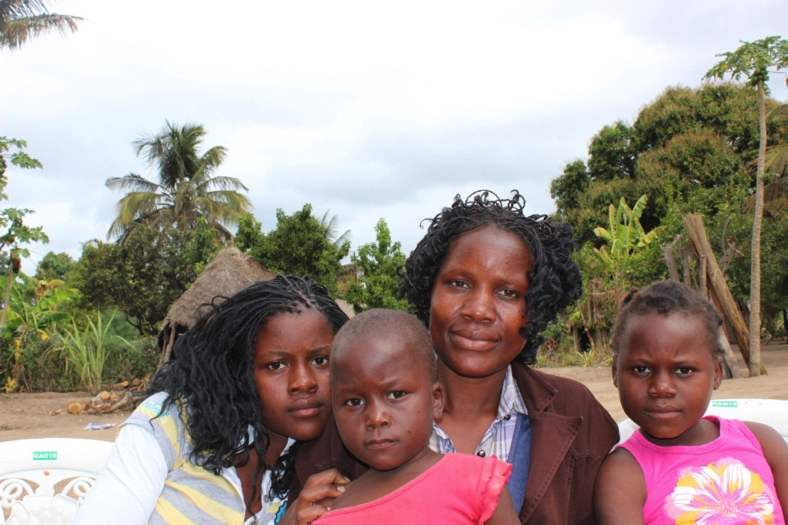
Holly Wong from the U.S. Department of Health and Human Services recently toured health facilities in Mozambique and heard about lifesaving partnerships. Keep reading
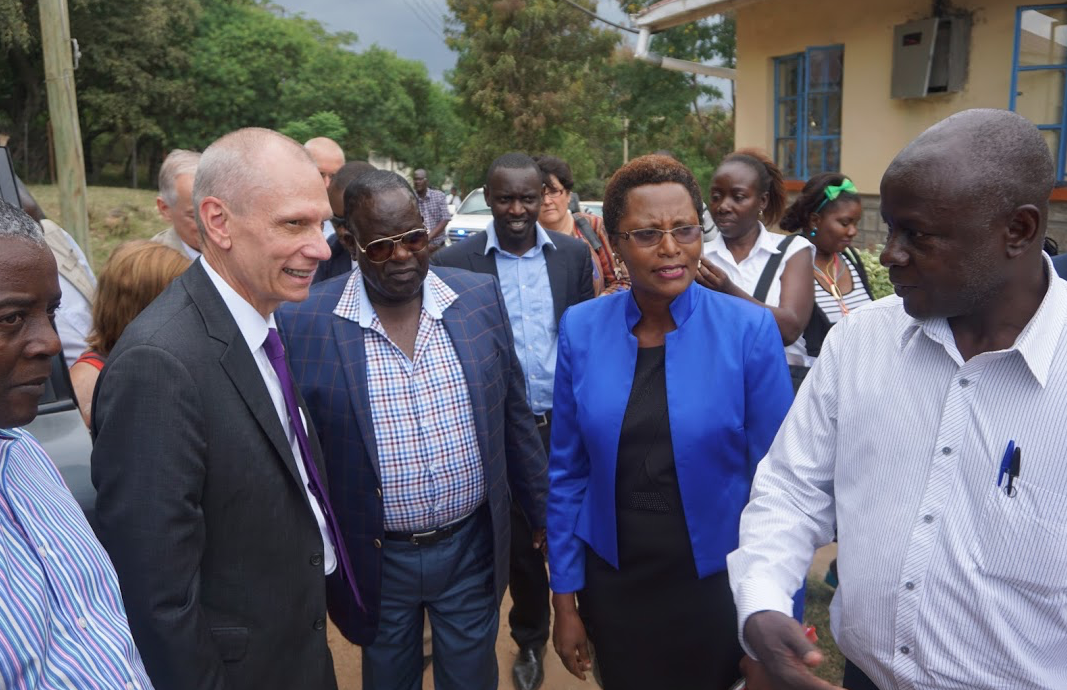
Recently, The United States Ambassador to Kenya, Ambassador Robert Godec, visited an EGPAF-supported health facility on the outskirts of Homa Bay – a town with the highest rate of new HIV infections in the country. Keep reading
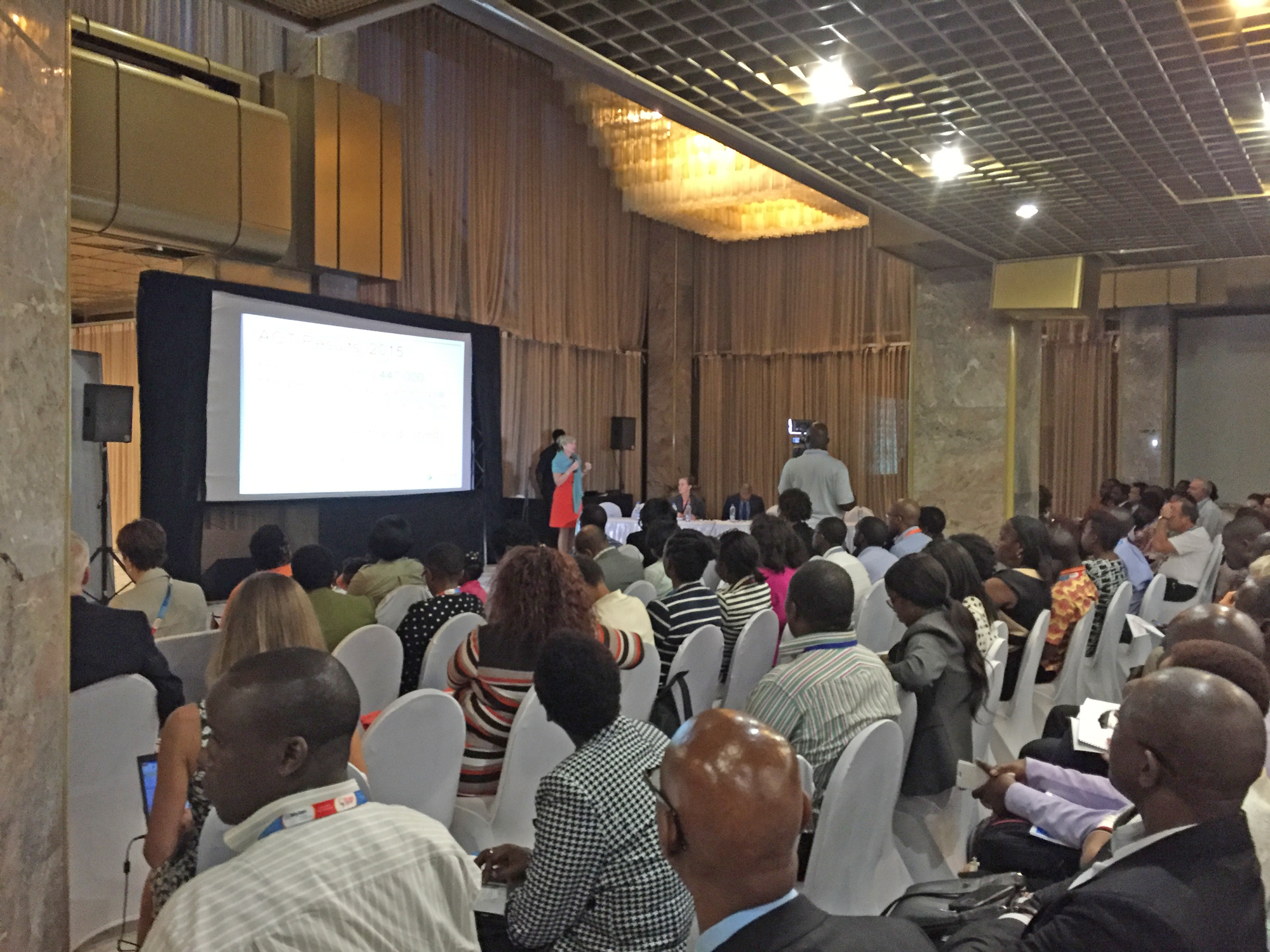
Expanding Access to Testing, Care and Treatment for HIV-Exposed Infants, Following up on ICASA 2015 Keep reading
The Elizabeth Glaser Pediatric AIDS Foundation is happy to announce the appointment of Dr. Sekela David Mwakyusa as the new Executive Director of the Ariel Glaser Pediatric AIDS Healthcare Initiative (AGPAHI). Keep reading

With assistance from USAID and local partners, EGPAF is helping to integrate health services in southwestern Uganda—dramatically reducing the transmission of HIV to babies and improving the health of the communities. Keep reading

In my home country of South Africa, the rate of new HIV infections in children has decreased from 10 percent to less than 3 percent in the last 10 years. Globally, the number of new pediatric HIV infections has decreased by more than 58 percent. This progress has been possible in large part thanks to the work of organizations like EGPAF and our partners to get more women and mothers who are living with HIV on treatment in order to prevent them from passing the virus to their babies. Keep reading