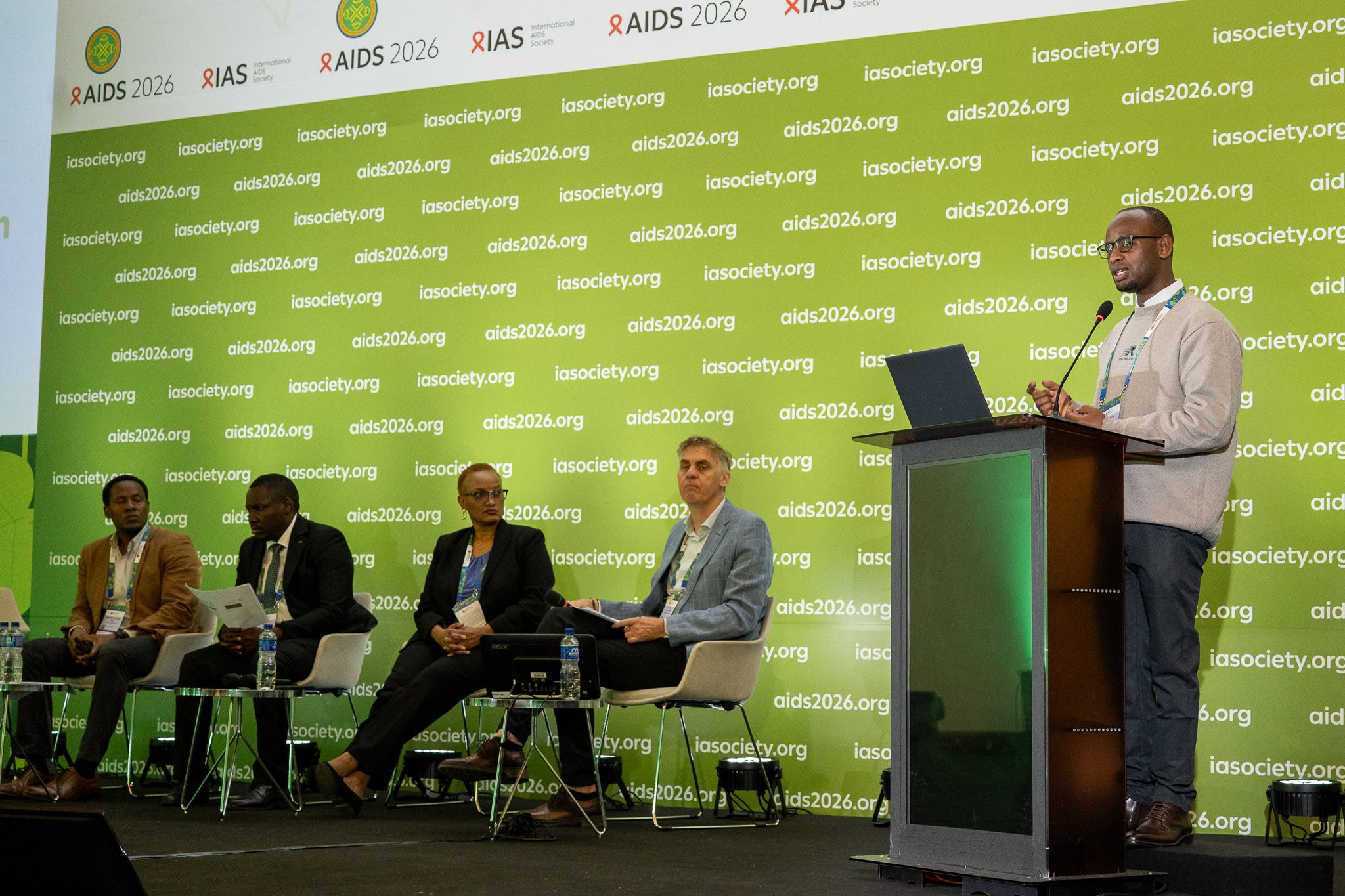

More than 1,800 maternal and newborn health professionals from 87 countries gathered in Nairobi for the 2026 International Maternal Newborn Health Conference (IMNHC), held under the theme Moving Forward, Together.
The convening came at a pivotal moment, roughly three years after the first IMNHC gathered in Cape Town, as countries assess progress toward the 2030 Sustainable Development Goal (SDG) targets for maternal and newborn health. Recent data make clear that the world is not on track to meet those targets.
Despite continued global attention on the significance of maternal and newborn deaths, progress has stalled for more than a decade. During the conference, Dr. Allisyn Moran from the World Health Organization underscored this stagnation when comparing data since the last IMNHC: “In 2023, we had 4.5 million deaths, and we still have 4.5 million deaths of women during pregnancy and childbirth, as well as newborns and stillbirths.”
Against this reality and amid a rapidly changing global health landscape marked by shrinking aid budgets, geopolitical instability, and overstretched health systems, the conference still carried a sense of urgency and momentum.
Several key themes emerged repeatedly throughout the week.
A new era for global health financing
Concern over shrinking global health and humanitarian aid budgets surfaced across nearly every session.
As external aid declines, speakers and advocates emphasized that funding gaps cannot be simply absorbed by health systems. There must be a shift to accountable political leadership.
Parliamentarians from 11 African countries responded to this call to action with a joint statement committing to legislative action for maternal and newborn health. Namibia’s Hon. Lilani Brinkman framed the issue starkly:
“Preventable maternal and newborn deaths remain far too high. And that is not just a health failure, it is a leadership failure.”
Funding commitments remain essential. And there are positive indicators: just days ahead of the conference, Unitaid committed $52.5 million to target preeclampsia and anemia across seven African countries.
But many discussions focused on what happens when multilateral funding shrinks – and how countries can build stronger domestic ownership and political will for maternal and newborn health programs.
Kenya’s Makueni County offered one of the conference’s most cited examples of what that looks like. After years of advocacy linking maternal death to political accountability, the county government procured its own calibrated blood-loss drapes to improve detection of postpartum hemorrhage, the leading cause of maternal deaths worldwide.
According to Governor Mutula Kilonzo Junior, the results were striking: no maternal deaths from postpartum hemorrhage were recorded in the county’s public sector in 2023 or 2024 — a result he credited to deliberate policy choices, not donor funding alone.
Innovation is saving lives — but implementation is the real challenge
The most talked-about innovation at the conference was the E-MOTIVE bundle, a clinically powerful approach to manage postpartum hemorrhage.
The E-MOTIVE approach pairs a calibrated blood-collection drape, which measures blood loss at delivery, using a 300 mL blood loss threshold versus the conventional 500 mL to indicate severe bleeding, with a bundled first-response protocol.
A landmark WHO-backed trial across more than 200,000 women in Kenya, Nigeria, South Africa, and Tanzania found that early detection of postpartum hemorrhage and use of this bundled treatment resulted in a 60% reduction of death from bleeding as compared to conventional care.
This study was launched at IMNHC 2023, and the current implementation research presented in Nairobi reinforced the approach’s impact in real-world settings, showing:
- Severe postpartum hemorrhage reduced from 25% pre-intervention to 13.5% post intervention;
- Emergency surgical interventions dropping from 5% to 1%; and
- No maternal deaths were recorded in the post-intervention period.
The findings highlight the potential of innovations like E-MOTIVE to dramatically reduce maternal mortality — if they can be implemented at scale.
Local manufacturing and ownership are becoming central
Discussions about innovation also raised broader questions about who produces the tools that save lives. During one session, a participant asked: if calibrated drapes are saving the lives of African women, why are they not being manufactured on the continent?
The question resonated. Dependence on external suppliers has created the same fragility that the global financing crisis is now exposing across many areas of global health.
The call at IMNHC was not simply to create better access to the calibrated drapes, despite the importance of such a commitment. Rather, it pushed to support African countries as producers – not just recipients – of lifesaving tools.
Unitaid has already issued a call for proposals specifically to support African manufacturers of postpartum hemorrhage products. Other innovations are emerging locally as well, such as the MaternaWell Tray, developed and manufactured by a South African obstetrician.
Stillbirths — and the voices of families experiencing loss — are gaining overdue attention
Each year, approximately 1.9 million stillbirths occur worldwide, defined as deaths during pregnancy or delivery after 28 weeks of gestation.
At IMNHC, this issue received unprecedented attention with the launch of the first-ever State of Africa’s Stillbirths report.
The findings were sobering:
- Every 30 seconds, a baby is stillborn in Africa;
- Nearly one million third-trimers stillbirths in 2023 alone; and
- Without acceleration action, five million stillbirths are projected between 2026 and 2030.
The report also found that almost half of all stillbirths happen during labor, often inside health facilities, meaning many of them are preventable with better quality of care.
But one of the most powerful demands across IMNHC 2026 was for maternal and newborn health programs to center the voices of the people these programs are meant to serve.
The International Stillbirth Alliance (ISA) led two dedicated sessions with parents and frontline health workers who have experienced loss, challenging the field to treat stillbirth not as a statistic, but as a human experience demanding grief-informed, rights-based responses. Parents who have endured loss are among the most informed and motivated advocates for prevention.
Nonkululeko Shibula, a Bereavement Care Doula and Perinatal Loss Advocate from the International Stillbirth Alliance, told participants:
“We need to move from speaking about women to building with women, particularly women who have experienced loss. If we are serious about change, lived experience must not be an add-on. We need a shift in power so the voices of those most impacted are not only heard, but also have influence.”
Looking ahead
Across sessions and discussions, one message was clear: progress in maternal and newborn health will require more than technical solutions.
It will depend on sustained investment, political leadership, locally driven innovation, and meaningful inclusion of the communities most affected.
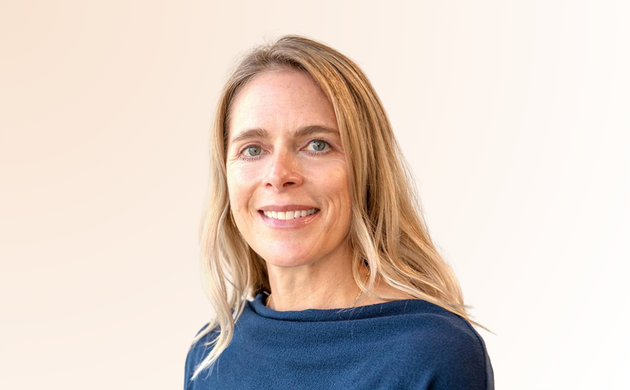
About the Author
Sarah B. Barnes
Sarah is the MNCH Advisor for Public Policy & Advocacy at the Elizabeth Glaser Pediatric AIDS Foundation. She also leads the Common Ground for Global Health project, a nonpartisan initiative that builds Congressional champions for maternal and child health by bridging policy education with strategic advocacy. Prior to joining EGPAF, Sarah led the Maternal Health Initiative at the Wilson Center.
Sarah is based in Washington, DC.