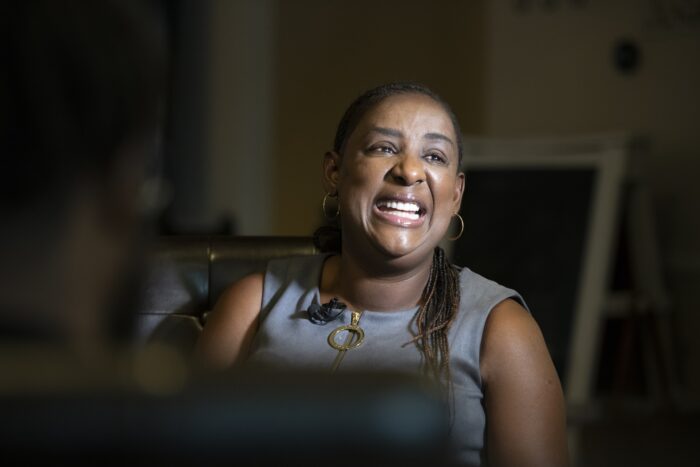
Thirty-six. That number is always present in my head. Thirty-six people that I can name who died from HIV-related complications by the time I was 20—and that number is still rising.
I grew up in Zambia, in southern Africa, during a time when HIV was a death sentence. We lost a generation because there was no medication, no treatment. HIV was and still is a stigmatizing virus; nobody talked about it.
Children were acquiring HIV and dying because there was no way to prevent transmission to children, and there was no way to treat children.
And then my diagnosis came in 2003, at the age of 29. I felt hopeless and alone. But then I learned about a new initiative from the American people called PEPFAR, which eventually provided me with the medicines I needed to live. My faith always provided comfort as it related to death, but what concerned me was who would take care of my siblings when I died. I was the oldest and my youngest siblings were still under the age of 13.
PEPFAR allowed me to live and dream again. I was not only able to support my siblings but also wanted a family of my own.
At that time, I was working Every Orphans Hope, a U.S.-based nonprofit that was established in Lusaka to bring the love of Jesus to orphaned children by re-creating families comprised of a widow and eight children. I met my husband, who had come to volunteer, and immediately had to face the possibility of never having children because of my HIV status. The truth is that not having children would have killed me more than the HIV. My doctor talked to us about a program through which I could deliver my children safely and free of HIV. It was one of the most beautiful moments of my life.
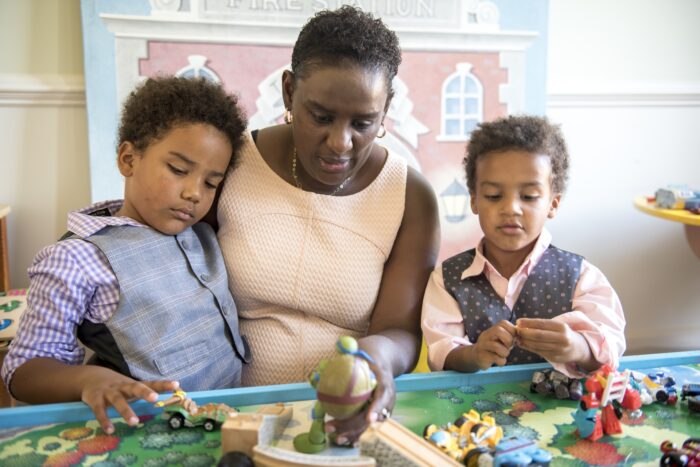
I had my oldest son, Josiah, in Zambia in 2009. Shortly after, our small family moved to Virginia, where I had my second son, Judah. Thanks to my HIV treatment, I am not only alive but am I also the proud mother of three, including two amazing HIV-free sons.
Here in the United States, I never worry about running out of my medication because I have insurance. But this is the first time, folks in this county are afraid about losing access to medications. Changes to both domestic and global policy are impacting access to health care. When I travel back to Zambia, I see communities still struggling to achieve our level of HIV control and now more seriously, losing access to medications because of suspension of services. Thanks to PEPFAR, the past 20 years have transformed death into life. The HIV rate has been cut by more than half, and 12,000 children are born HIV-free each year because of programs to prevent mother-to-child HIV transmission.
But things are not so sure now.
Anxiety is high again in Zambia. During my most recent trip, I saw the same fear I remembered from the old days—people worried that medicines may no longer be accessible after cuts to PEPFAR. I witnessed people getting sick and even dying because of dramatic reductions to staff, programs, and medications.
I look at my beautiful boys and count myself fortunate. My oldest is a junior in high school, playing varsity baseball. My youngest is a freshman in high school, playing junior varsity soccer. They both are foodies and love to cook, and they also love music. They are both creative, thoughtful and leaders.
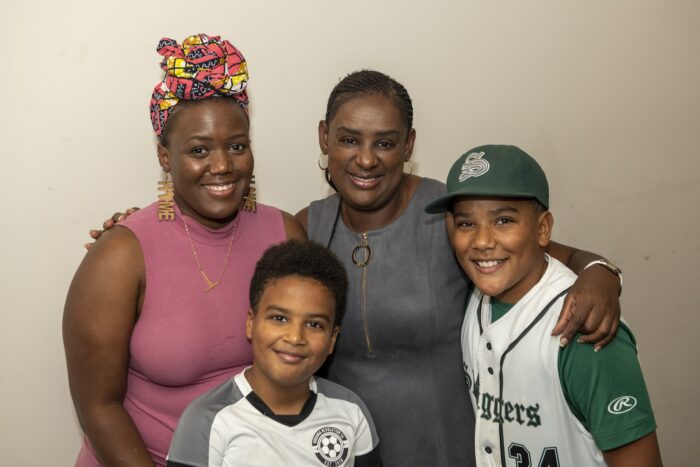
My life would not be so complete if treatment had not been available for me.
My sons represent my Generation Zero. I am living with HIV, but the next generation of my family will not be. We stopped HIV from continuing into our household’s future. My experience shows that it is well within our capability to see a Generation Zero worldwide. Pediatric HIV can be eliminated simply by providing women with HIV resources.
It will take some focus and some funding, but of all the health crises around the world, this is one that we can solve. Every time we prevent a baby from being born with HIV, we stop the virus in its tracks.
The world is such a better place because of my sons. Let’s give every child the opportunity to grow to adulthood and join them.
My sons represent my Generation Zero. I am living with HIV, but the next generation of my family will not be.
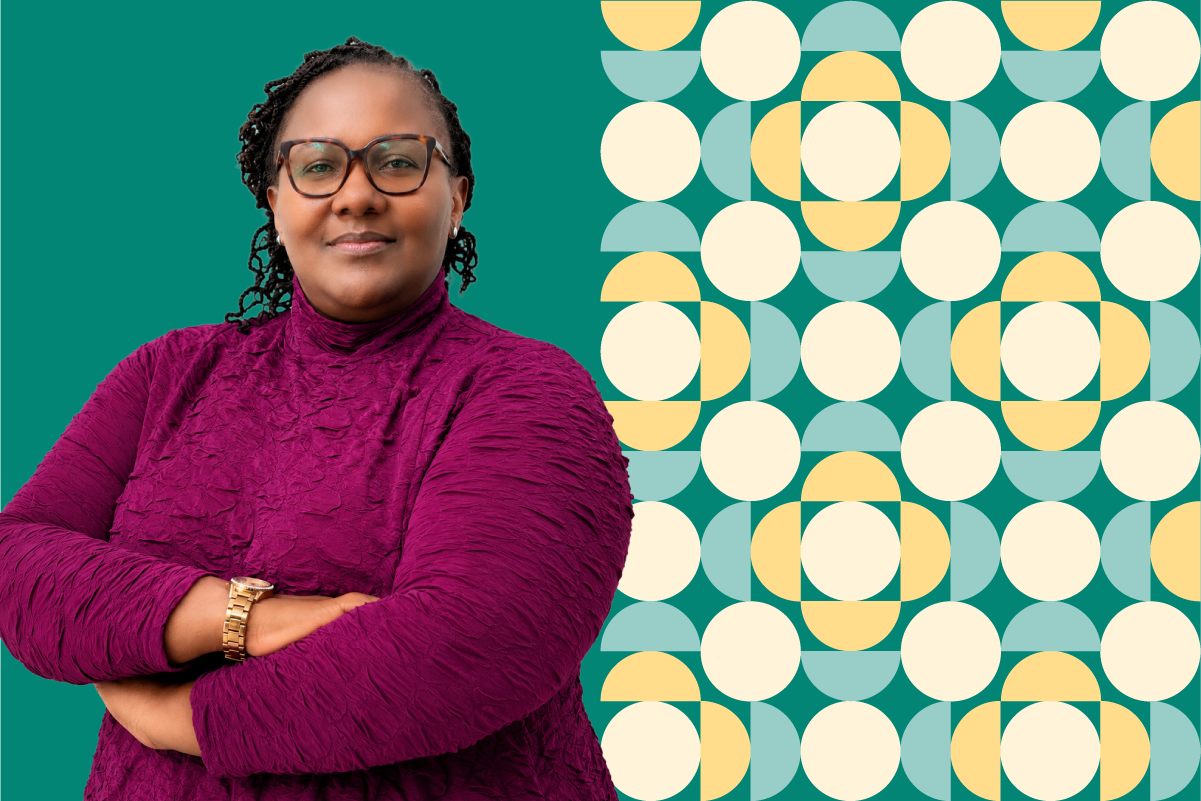
Martha Sichone-Cameron
About the Author
Martha Sichone-Cameron
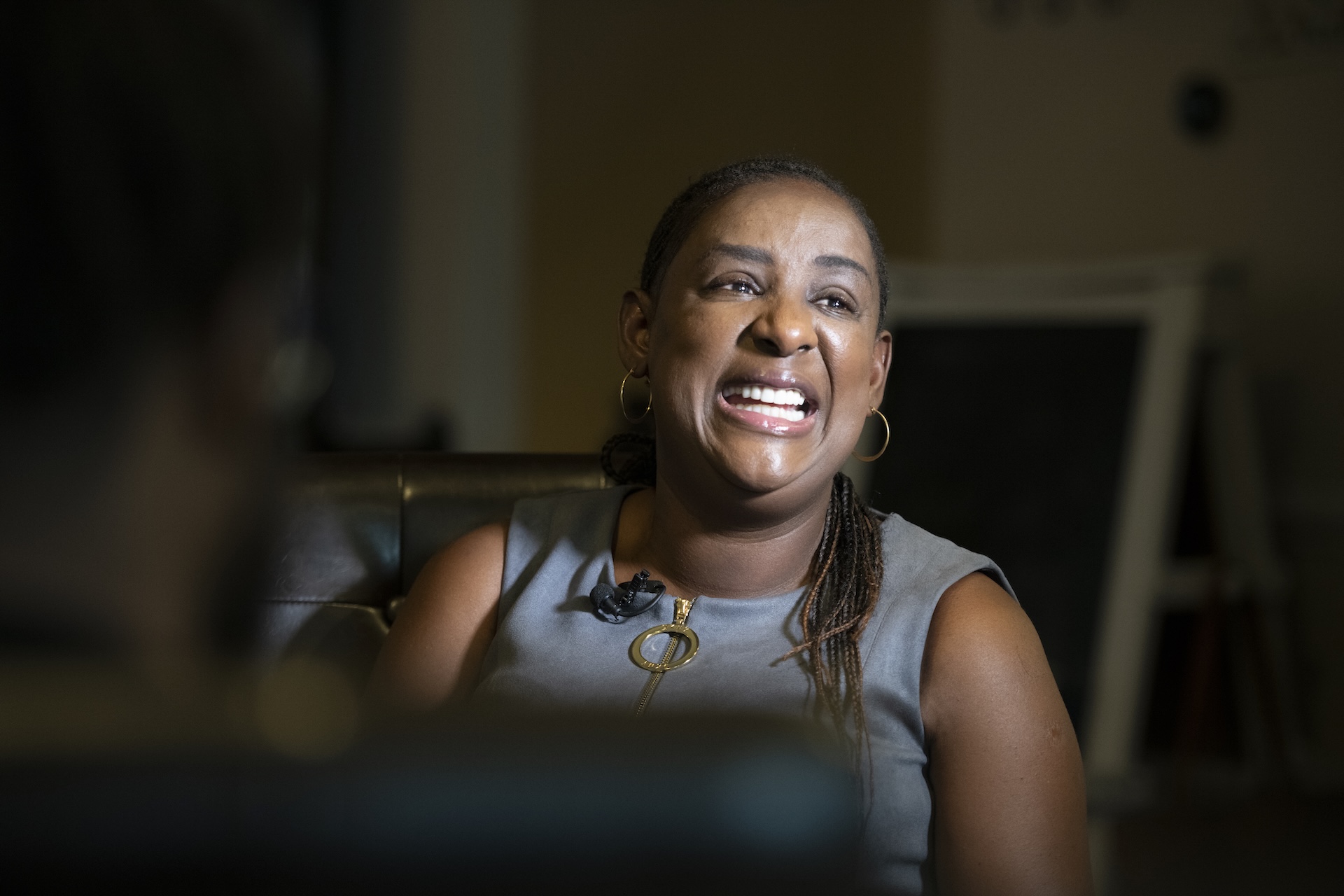
Martha Sichone-Cameron is the executive director for the International Community of Women Living with HIV (ICW) North America and an EGPAF Ambassador. She has worked as the former director of prevention and as the director of policy and advocacy at The Women’s Collective (TWC).
A committed advocate, Cameron is actively involved in various HIV policy, advocacy, and research forums.
She is currently pursuing a Ph.D. in global infectious disease at Georgetown University.

It is time for action
Let’s Make Generation Zero Happen
Today, we have the tools to end pediatric HIV. But we need action to get those tools to the people who need them most.
Learn how you can be part of the fight for Generation Zero.