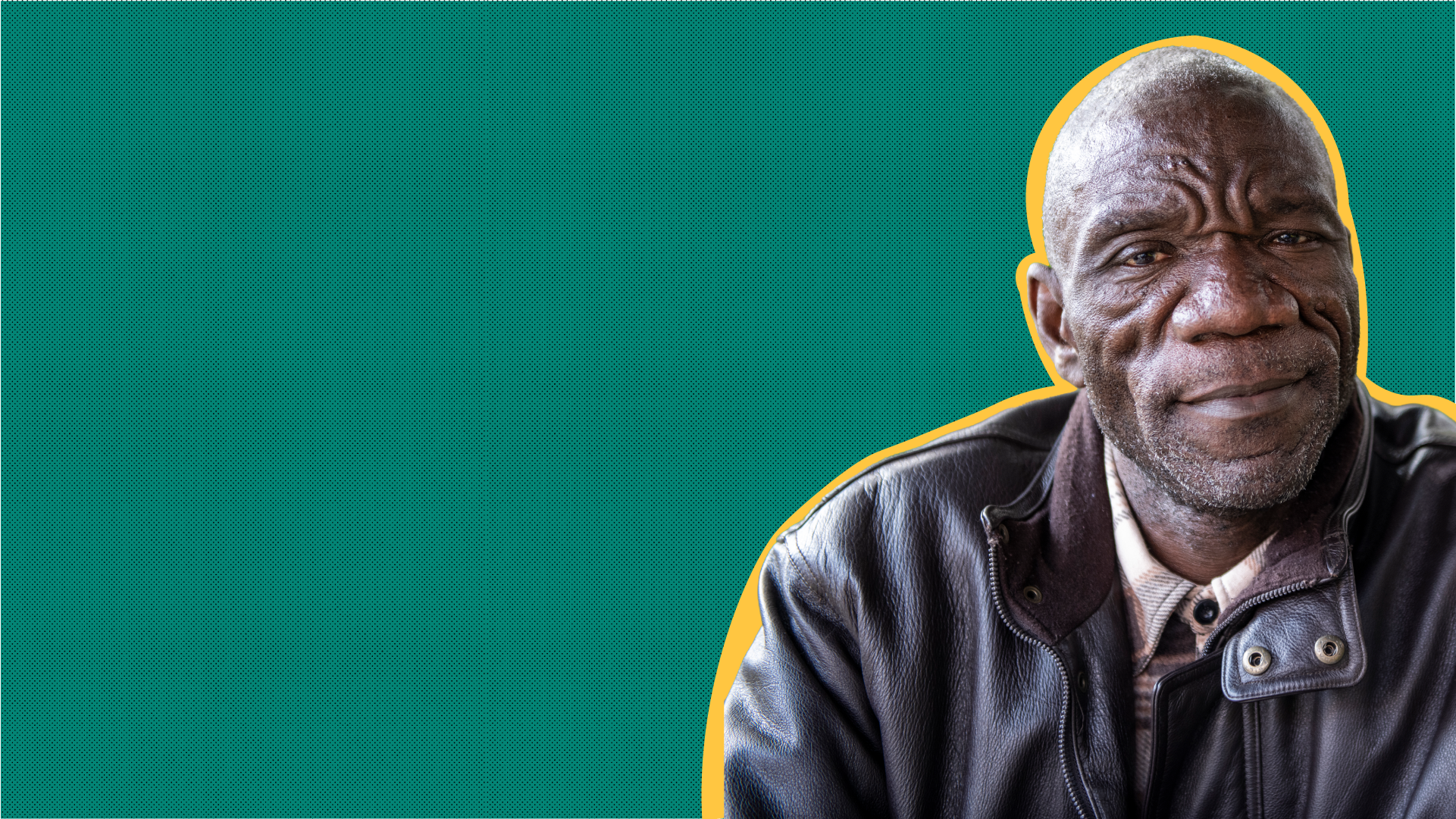
“Malawi’s fiscal space is limited just like a lot of developing countries,” says David Kamkwamba. “So our need for resources is higher.”
According to the World Bank, Malawi is the fourth poorest country in the world. Over half the population lives in poverty, and one-fifth in extreme poverty. So it was difficult for the Malawi government to fill the gaps when HIV programs administered by USAID were abruptly paused or halted.
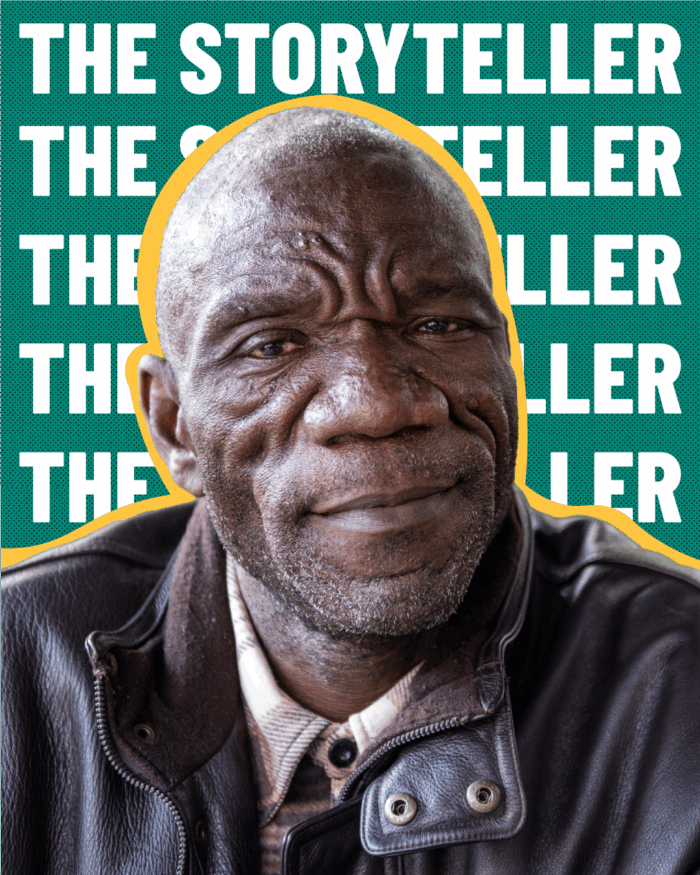
Kamkwamba, a former broadcaster, is the founder of JONEHA, the Network of Journalists Living with HIV, which he established in 2013 to use the media to advocate for health services. JONEHA also works directly with people in hard-to-reach areas to help them sustain community-led HIV initiatives.
When U.S. foreign aid was frozen, Kamkwamba’s first concern was about the communication. From the start of the HIV epidemic, stigma has been an impediment with sometimes deadly repercussions. He was worried about community fears on availability of antiretroviral drugs, a potential surge in transmission, and increased stigma and discrimination.
“Those who were living with HIV could be blamed [for their condition],” with other people thinking that because there is no support, no drugs—it means you are going to die. “There was a lot of misinformation … which took away the confidence,” says David. “Some people were being told that their drugs were not available.” Some people were hoarding medication and not taking it because they were afraid of it running out.
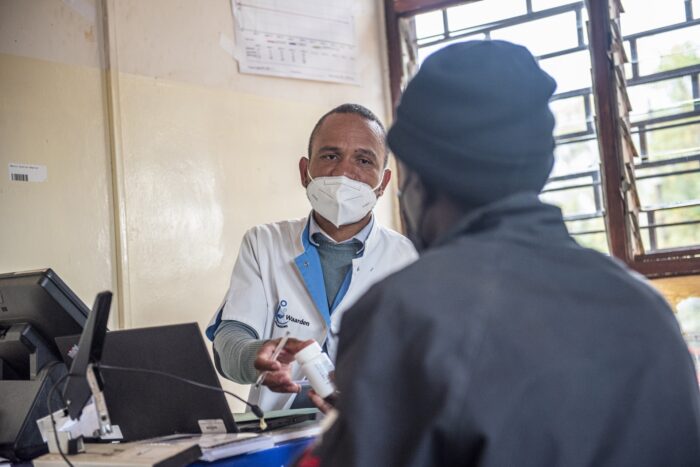
As a partner with the Civil Society Advocacy Forum (CSAF), JONEHA helped craft a campaign strategy to reach out to people living with HIV and let them know that they were not alone and so provided them with accurate information.
“So with the support of UNAIDS, we came up with a campaign, where we developed messages by using mainstream and social media, trying to make people understand that services are available, trying to make people go to the facility, and trying to debunk misinformation that fuels stigma and discrimination.
“I think our campaign was also very successful. It helped to bring confidence among recipients of care around the country.”
Kamkwamba points to the campaign as an example of a sustainable domestic resource mobilization that highlights the important role that people living with HIV can have in charting a path forward for Malawi.
“As an organization, we have been part of the advocacy to develop the first health financing strategy. We have been given a seat in the Technical Working Group for Health Financing Strategy, ” says Kamkwamba. He sees the growth of public-private partnerships as crucial to building a renewed HIV response and to address the underlying issues of poverty that challenge the reach of Malawi’s government.
In 2024, the government published a National Social Protection Policy to improve the well-being of Malawians by creating buffers around recurring “climate, economic, and health shocks.” The sudden shift in U.S. foreign aid sounded an alarm about the need for a country-led sustainable health system.
But the roadmap to sustainability remains unclear, according to Kamkwamba. While the country navigates that path, how will it maintain the vital services, leverage the expertise that was provided by USAID and NGOs?
“You know, in a country like Malawi, you can’t come in my house, where I already don’t have enough resources, and say, ‘For me to help you, David, you have to give me five chickens.’ I’m already a poor person, and I need your support. But you’re saying that to receive your support—to come in my house—I have to lose something that I value most in the house? We are already a resource constrained country.”
Kamkwamba recognizes that things cannot go back to how they were before. “There’s a temptation for us to go back to the comfort zone, which we had pre-funding freeze—which is not healthy for us.”
But he advocates for international funders to help the country develop mechanism for sustainability. And he sees the crucial need for a greater voice from the prime stakeholders, especially from people living with HIV.
“HIV is still a stigmatizing disease. People have still not accepted it as they do with malaria and other diseases. If we empower communities and they identify issues, then they can engage government. They can make demands on what is supposed to be done … push our government towards sustainability.”
If we empower communities and they identify issues, then they can engage the government. They can make demands on what is supposed to be done…
David Kamkwamba
Meet the Other Fighters
Story
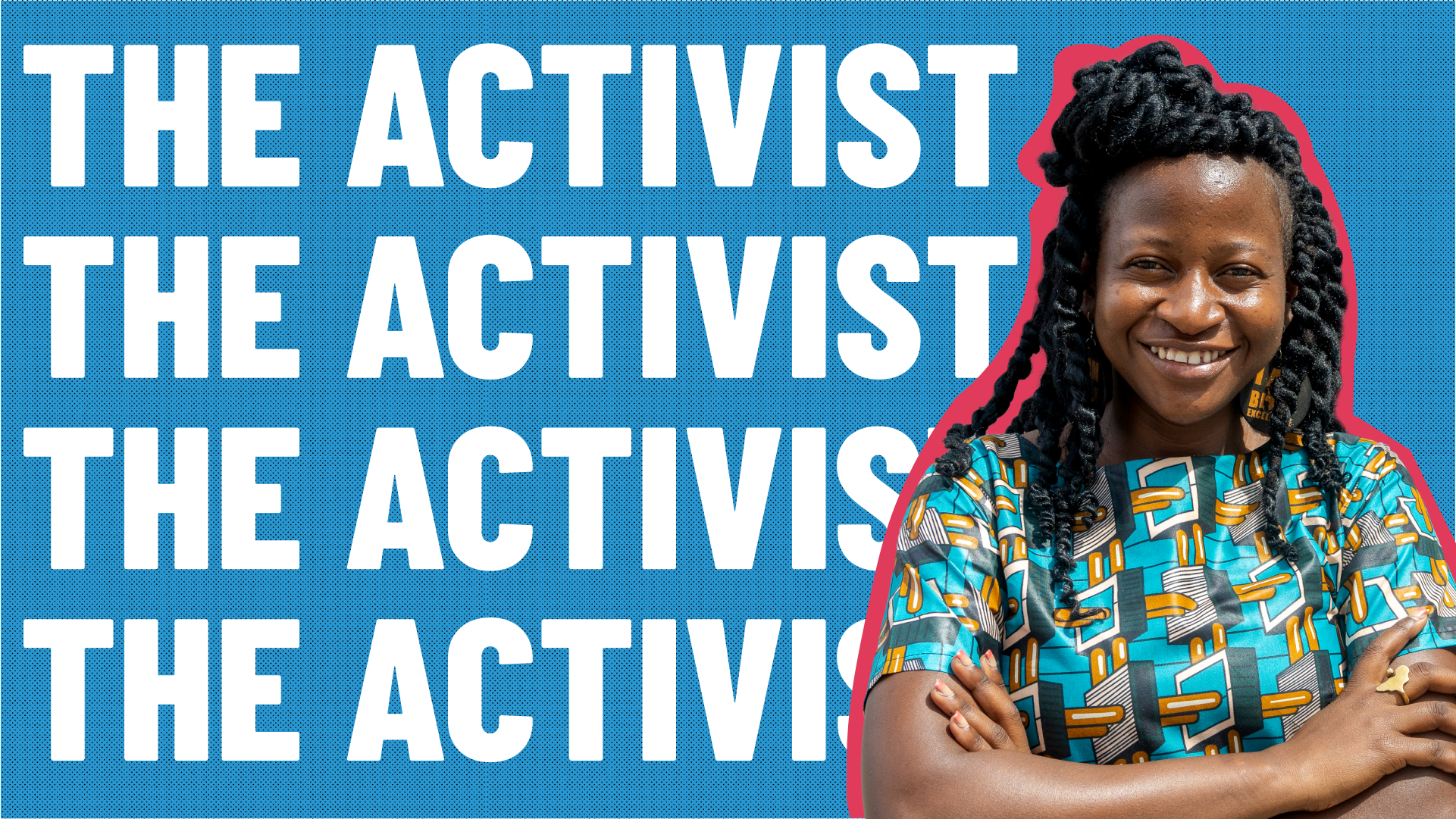
The Activist
Published January 2026
Topics:
Advocacy,
HIV
Countries:
Malawi
Story
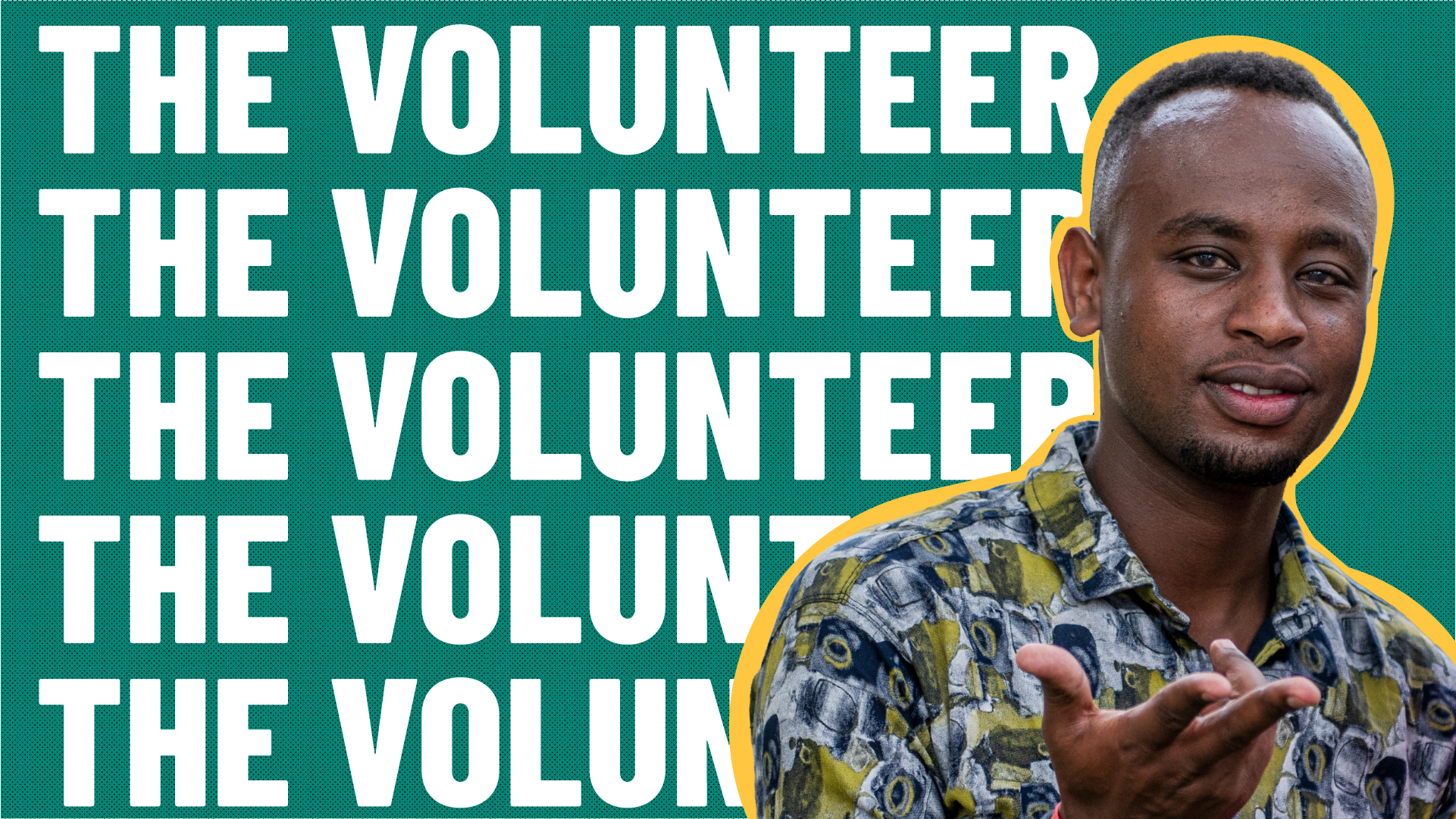
The Volunteer
Published January 2026
Topics:
Children,
Differentiated Service Delivery,
HIV
Countries:
Uganda
Story
The Mother
Published January 2026
Topics:
HIV,
Mothers and Infants,
Prevention of Mother-to-Child Transmission (PMTCT)
Countries:
Uganda
Story
The Visionary
Published January 2026
Topics:
Children,
Health System Strengthening,
HIV
Countries:
Eswatini
Story
The Advocate
Published January 2026
Topics:
Advocacy,
Children,
HIV
Countries:
United States

Story
The Doctor
Published January 2026
Topics:
HIV
Countries:
Cameroon