
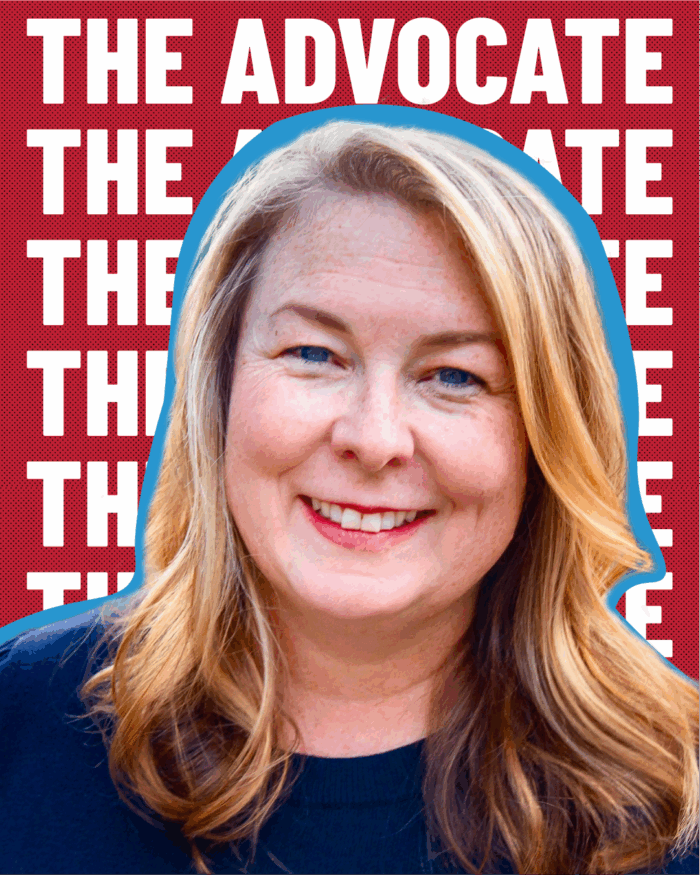
“I would say that pediatric HIV response is holding steady but also sort of holding its breath,” says Catherine Connor, a global health strategist.
“Around the world, a lot of the lifesaving treatment has been reinstated, but a lot of the outreach that was abruptly terminated still hasn’t restarted.”
“You’re just seeing everyone doing exactly what they know they can do, what they’re able to do, but you’re not seeing any expansions in programs,” she says.
Connor has been advocating for children and mothers affected by HIV for more than 18 years at the Elizabeth Glaser Pediatric AIDS Foundation (EGPAF) where she was vice president of Public Policy and Advocacy. In April 2025, she was a special witness at a House hearing assessing the President’s Emergency Plan for AIDS Relief (PEPFAR). She thanked Republicans and Democrats for coming together to help bring down AIDS-related deaths in children by 43 percent.
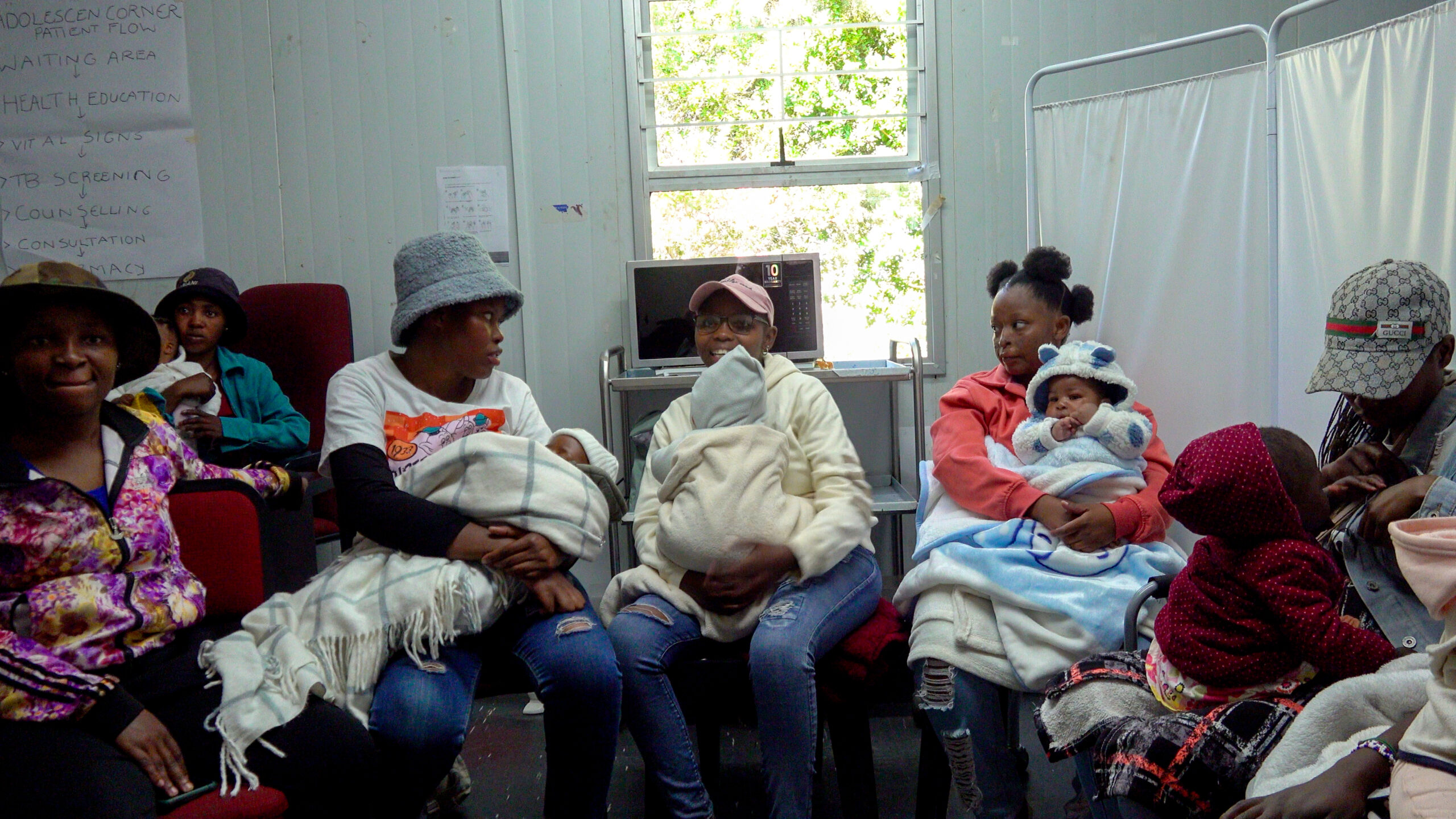
But Connor also cautioned policymakers that “the progress we celebrate remains incredibly uneven and fragile; nearly half of children living with HIV still lack access to lifesaving treatment, and efforts to reach pregnant women have stagnated, despite our successes.”
She reminded them that only 20 percent of children born with HIV will live to see the age of 5 if they do not receive treatment.
Connor says that her work over the years has made clear that reaching people affected by HIV is not as simple as stocking antiretroviral drugs in health centers.
“Just because they’re available doesn’t mean people are accessing them. And it certainly doesn’t mean we’re finding the people who need care and treatment now. The person who gets infected now, the child born today, are they getting the same services that a child born a year ago was getting?”
One year after the reassessment of U.S. foreign aid, Connor says that she is heartened by the resilience she sees in national responses and civil society organizations who have carried on through a chaotic year. But she says that they are just covering the bases without much community outreach. Many HIV programs that were halted provided vital links to testing, care, and treatment. A question remains of how well those links can be established and staffed—and in which countries.
“With this new push in PEPFAR towards domestic investments, I think everyone’s really eager to see what’s next. People want to be in motion again. They want to be out there saving lives, building programs.”
She says that as the U.S. government establishes memoranda of understanding (MOUs) with country governments in coming months, then national governments will have a better sense of what their capacity is in terms of HIV response.
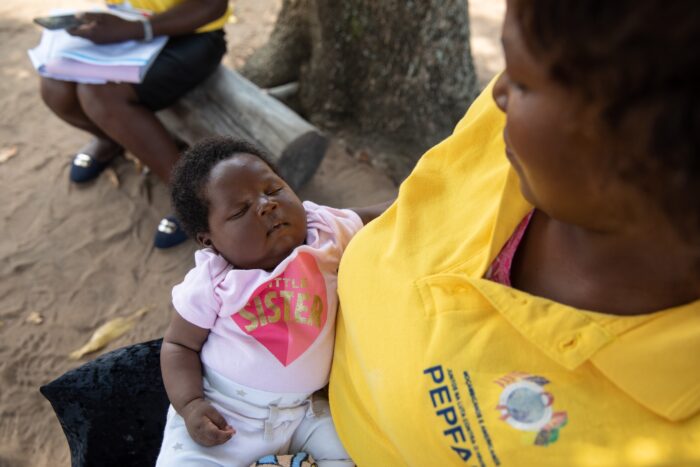
“From a PEPFAR perspective, this question of capacity is a really large one,” Connor says. “Capacity for countries to really step up, to take ownership, to manage and direct their health systems in a way that really serves its people with high-quality medical care … I think that’s one that we’re all eager to see.”
“This will be challenging,” she continues. “The apparatus previously in place to manage all of these projects is, frankly, gone. The Department of State is looking at how to rebuild some of that. But it’s hard right now to visualize with the limited capacity within PEPFAR and the dismantling of USAID.
“When you take something that has been working well for 20-plus years—and has been achieving unimaginable successes stopping the AIDS epidemic in its tracks—and you say, ‘Okay, let’s try a whole new, different way to do it,’ … there’s some excitement in that risk. But there’s also danger of a domino effect if some of these investments don’t work out. Looking at HIV, TB, malaria, and maternal and child health investments, if countries lose U.S. funding and cannot make up their co-investments, what happens?”
Even as national governments take on more of the responsibility for HIV response, Connor sees a significant role for the United States—continuing the work of PEPFAR. “It’s safe to say that Congress still has a voice in this,” she says, pointing to the $9.4 billion that Congress allocated for global health.
“Congress is saying, ‘We still value global health; we still value its role in protecting our national security, we value it as a moral imperative.”
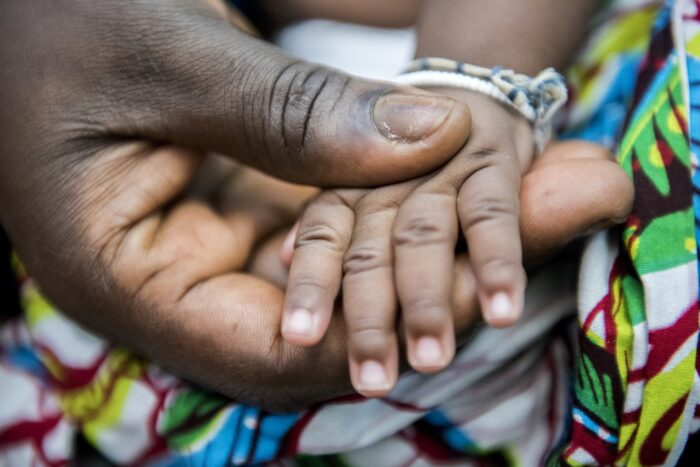
Connor reiterates that children are in the most vulnerable position and the most impactful in terms of virtually eliminating HIV globally.
“Children are often the canary in the coal mine when bad things are happening. If there’s a famine, children are the ones who starve first. When there are disruptions to a supply chain, it’s medicine for children that runs out first. So you have the population that has the least opportunity to speak for themselves, that gets hit hardest and fastest in most of these health situations.”
Catherine Connor
“Healthy children equal healthy families, equal healthy societies, equal a healthy world.”
Meet the Other Fighters
Story
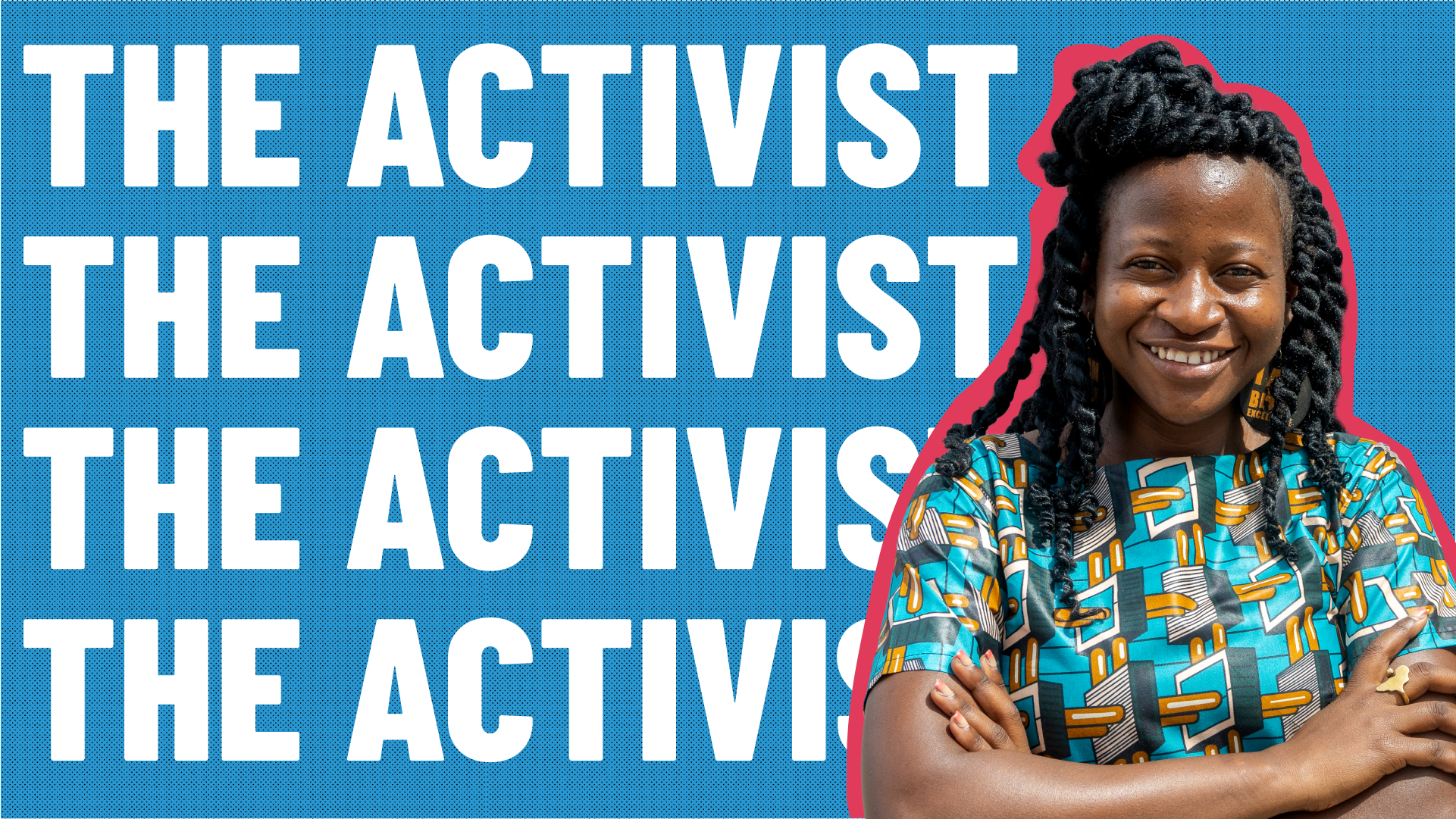
The Activist
Published January 2026
Topics:
Advocacy,
HIV
Countries:
Malawi
Story
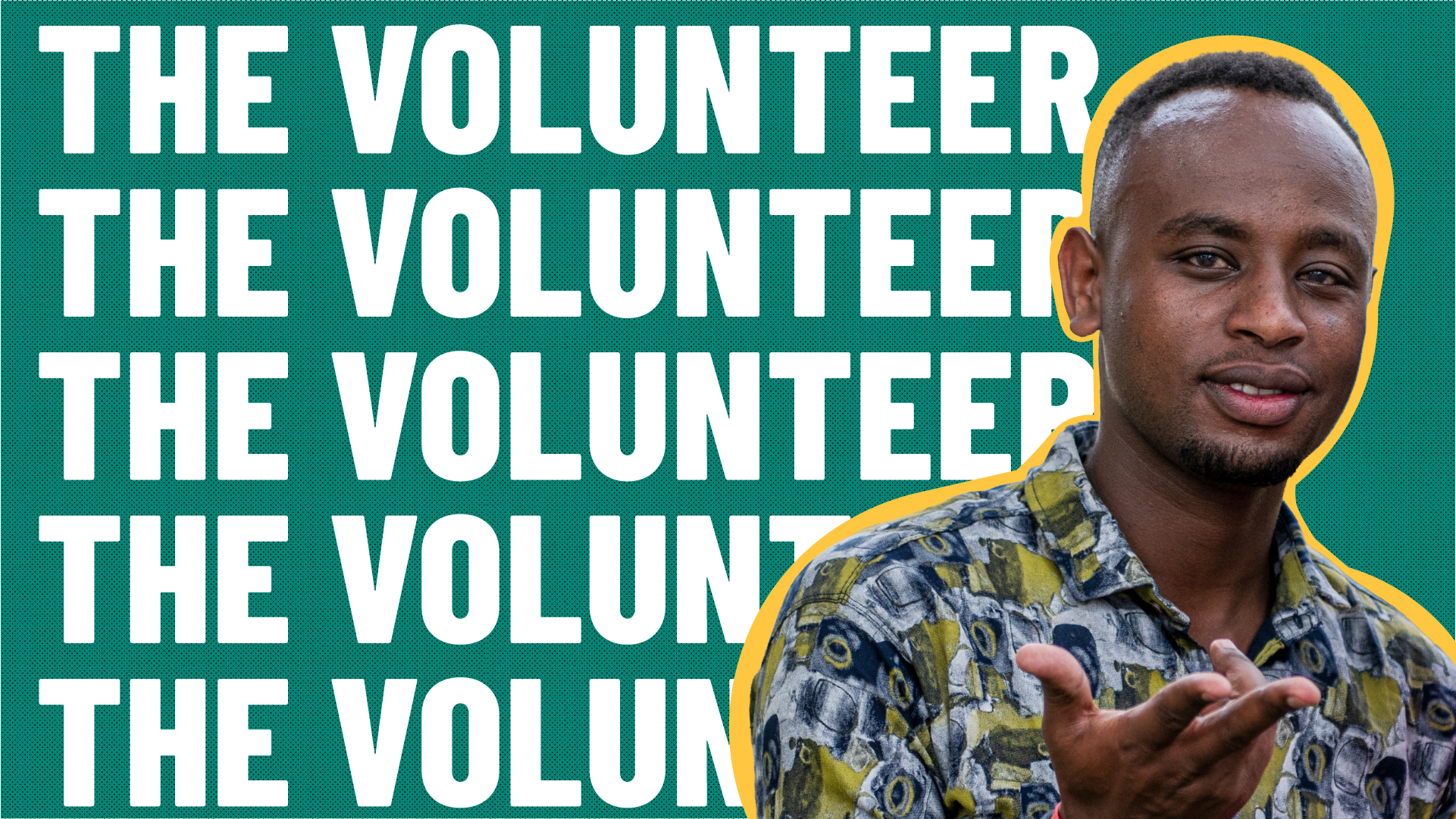
The Volunteer
Published January 2026
Topics:
Children,
Differentiated Service Delivery,
HIV
Countries:
Uganda
Story
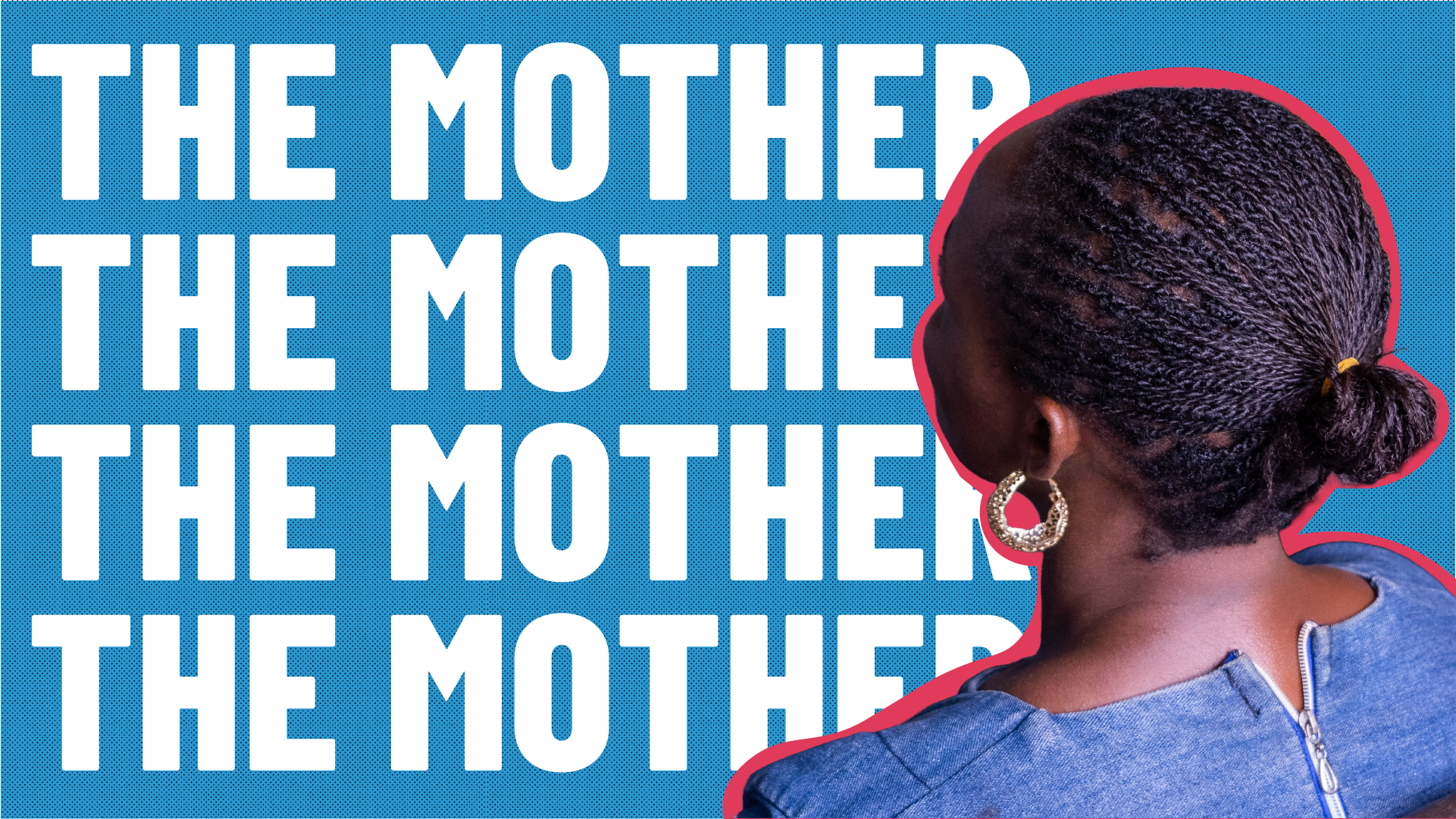
The Mother
Published January 2026
Topics:
HIV,
Mothers and Infants,
Prevention of Mother-to-Child Transmission (PMTCT)
Countries:
Uganda
Story
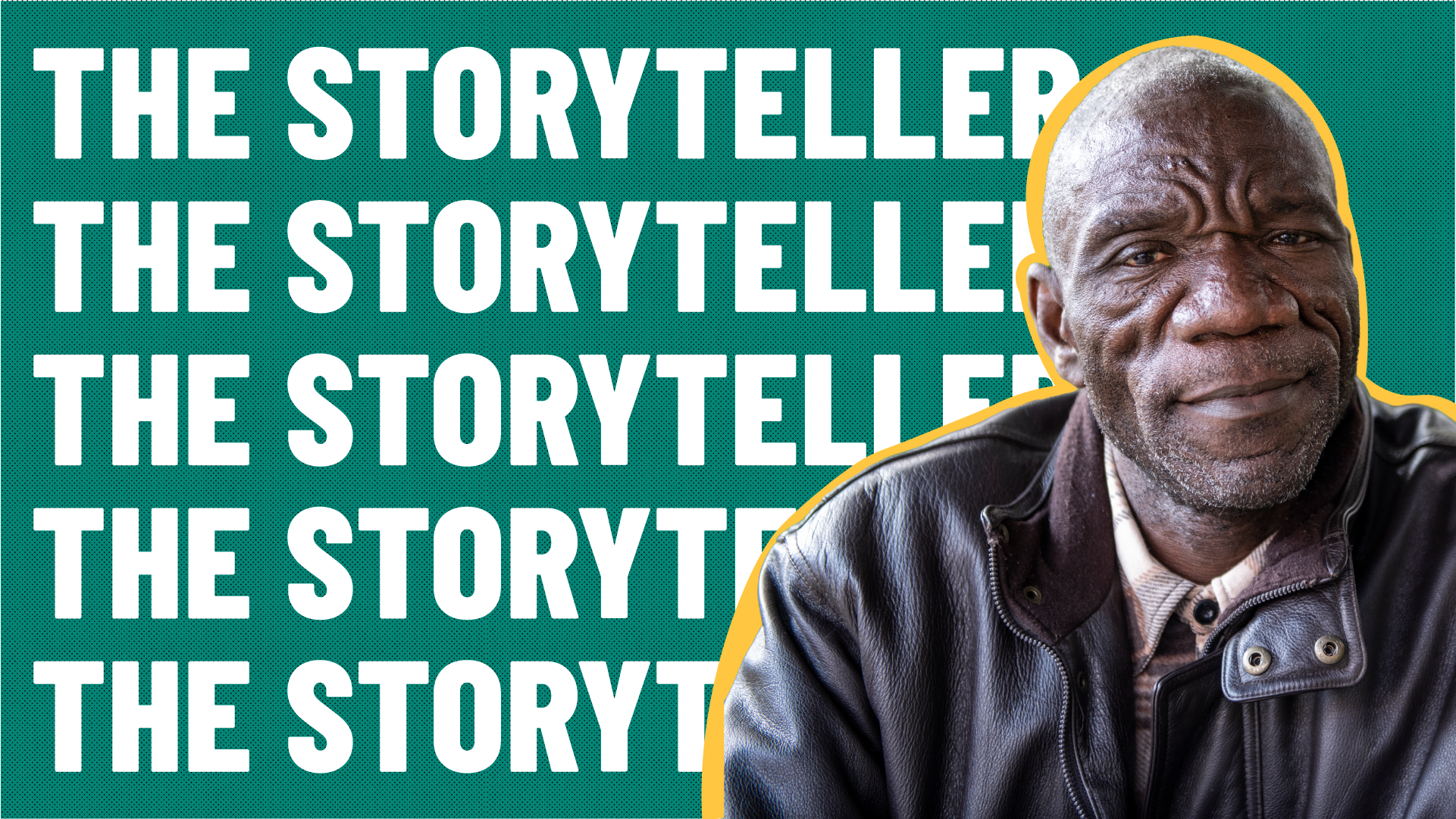
The Storyteller
Published January 2026
Topics:
Advocacy,
HIV
Countries:
Malawi
Story
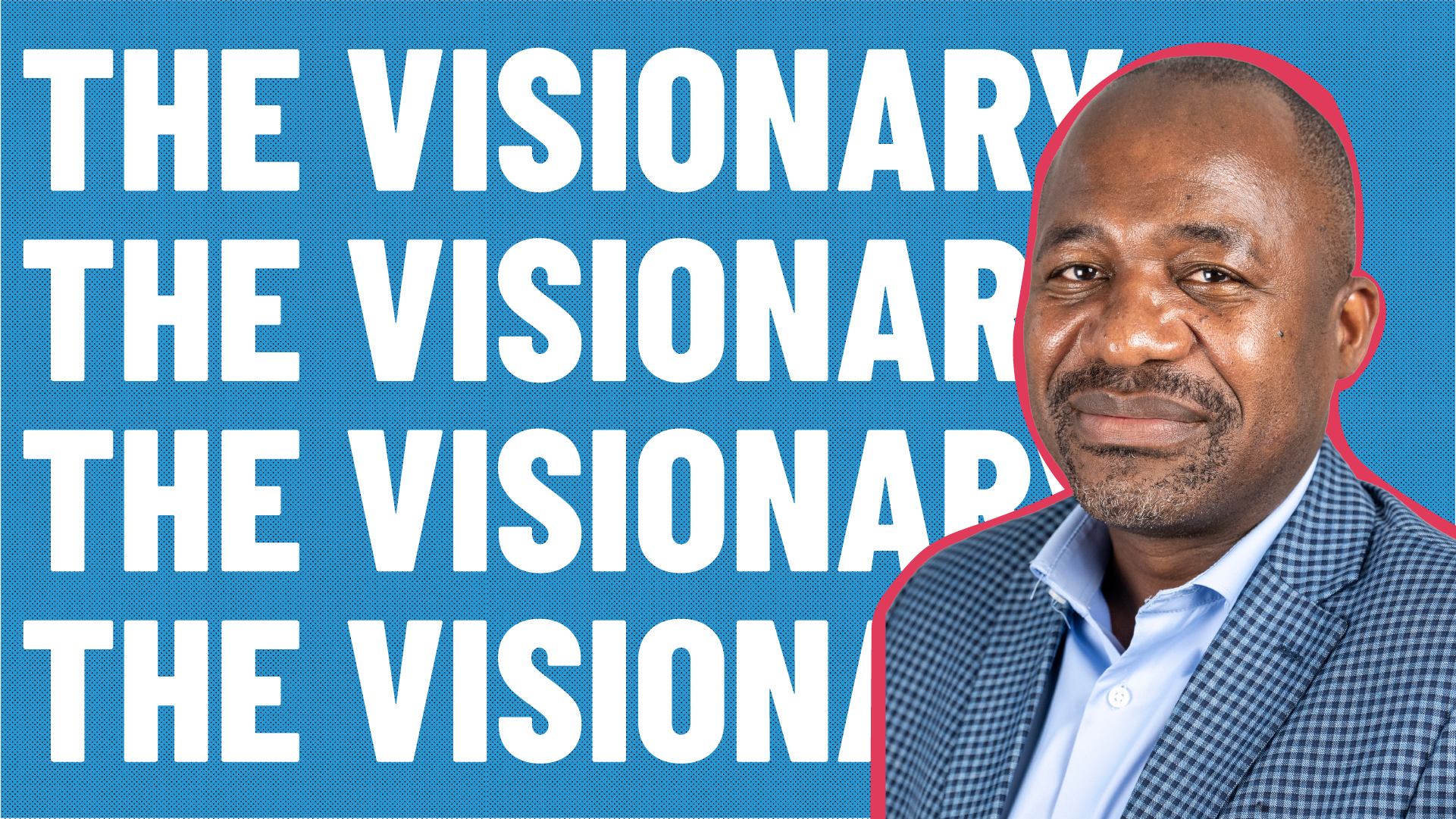
The Visionary
Published January 2026
Topics:
Children,
Health System Strengthening,
HIV
Countries:
Eswatini

Story
The Doctor
Published January 2026
Topics:
HIV
Countries:
Cameroon