
“This is the direction the U.S. government is going,” says Caspian Chouraya, EGPAF’s regional director of programs, in response, to the 2025 foreign aid realignment. “We might not like it. We might not agree with it. But this is how things are going to be.”
For the past 15 years, Chouraya has been a close observer of the HIV pandemic from inside Eswatini, the country with the highest prevalence (25 percent of the adult population). As EGPAF’s technical director and then country director, Caspian has been engaged in many of the programs that helped make this small nation the first to reach the 95-95-95 goal established by UNAIDS as a benchmark toward the virtual elimination of AIDS.
When the executive order on foreign aid was released on January 20, 2025, people in the HIV sphere were caught off guard, says Chouraya, now EGPAF’s regional director of programs.
“The terminations of awards were honestly quite unfortunate, not only for us as organizations but for our clientele as well,” says Chouraya. “We were not prepared. Our clients were not prepared.”
Chouraya says that despite this shock, international NGOs had already been shifting away from direct implementation and toward helping to build more sustainable, country-led health systems.
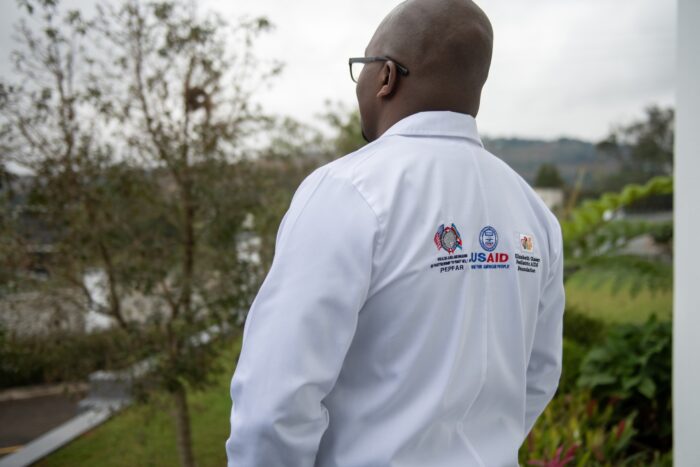
“So we were expecting that over time there was going to be a reduction in funding,” says Chouraya. “Some awards were already being transitioned to the government. And we do understand the thinking around this. But it could have been done in a more organized way.
“I would say that, by and large, the work has continued, but the abruptness in which funds were either reduced or cut made it difficult for governments to just jump in and do the work that partners had been leading,” says Chouraya. He points to the impact of those cuts to three main stakeholders: National governments; implementing partners; and, most importantly, people directly affected by HIV.
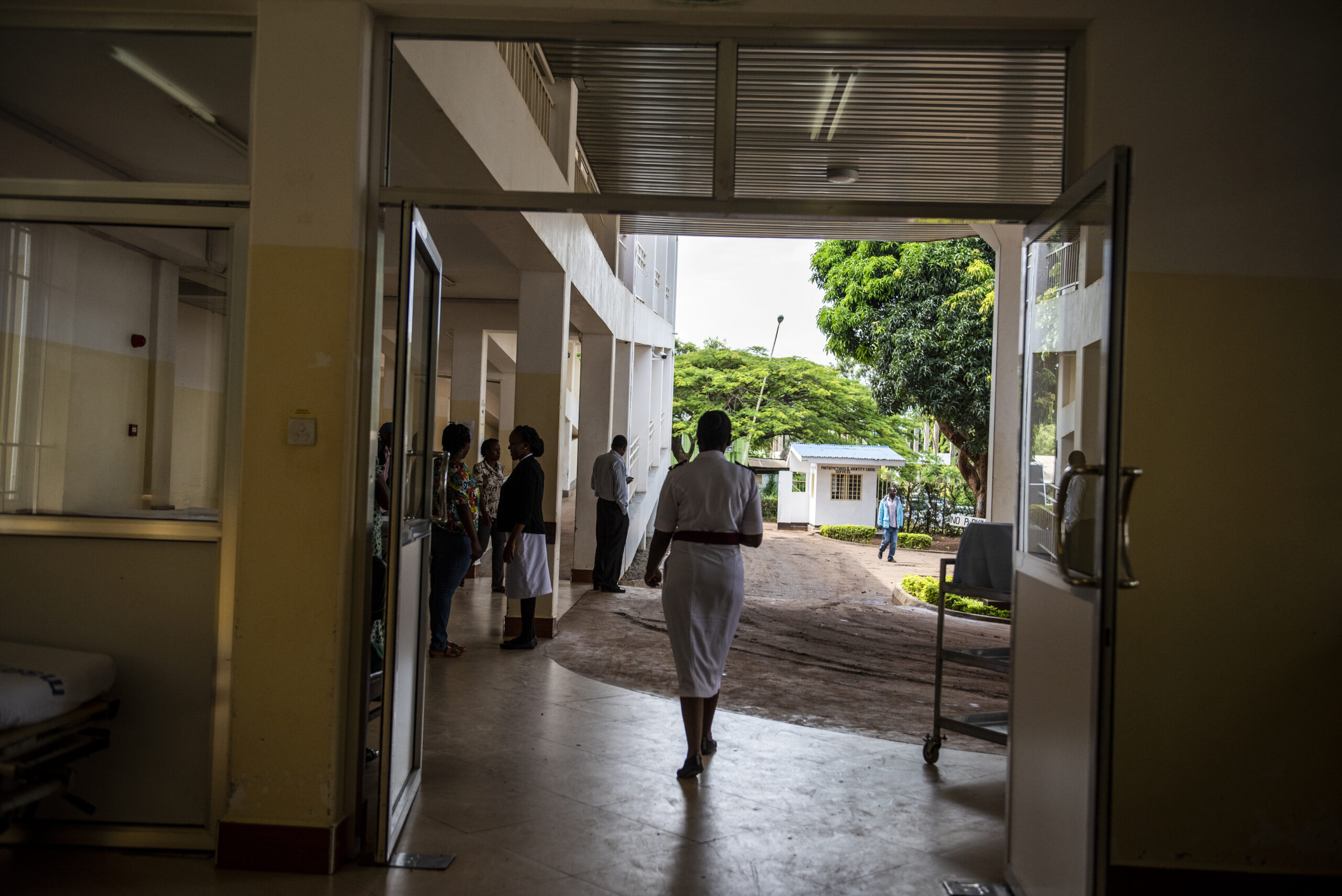
National governments faced hard choices. With fewer resources and without as much assistance from NGOs, Ministries of Health focused on restoring clinical services, but often lacked the resources to continue community programs, such as index testing, counseling, and peer mentoring.
“On the government level, they haven’t been able to fully absorb all the activities that were being implemented by their partners.” And with funding cuts, governments “now have to look into their own coffers when the U.S. government is no longer able to do a, b, c, and d. So national resources have to be shifted to prioritize the areas that are most necessary.”

NGOs suddenly found themselves without funds or authorization to continue supporting government partners.
“EGPAF has been fairly lucky compared to several other organizations,” says Chouraya. “I know organizations that have closed down totally. But we have reduced our staff, and this has limited us in terms of achieving some of our goals along the path of ending AIDS in children. There are certain things we still want to do, but because the funding has gone down, we now have to reprioritize.”
Chouraya says that it is still too early to tell the precise impact of the funding shifts on people affected by HIV.
“I think the situation has stabilized, but with some decline in terms of [people accessing HIV service].”
“Anecdotally, we’ve heard stories of children who were being supported in care who are no longer coming to the clinic. That’s why we expect that antiretroviral medication default rates are going up.”
An HIV-free Generation
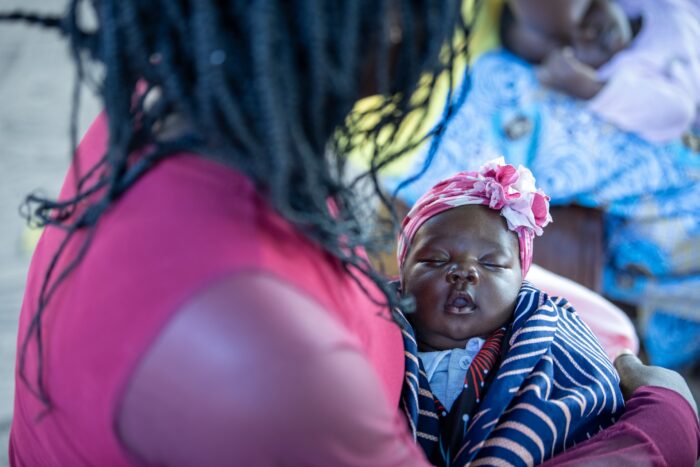
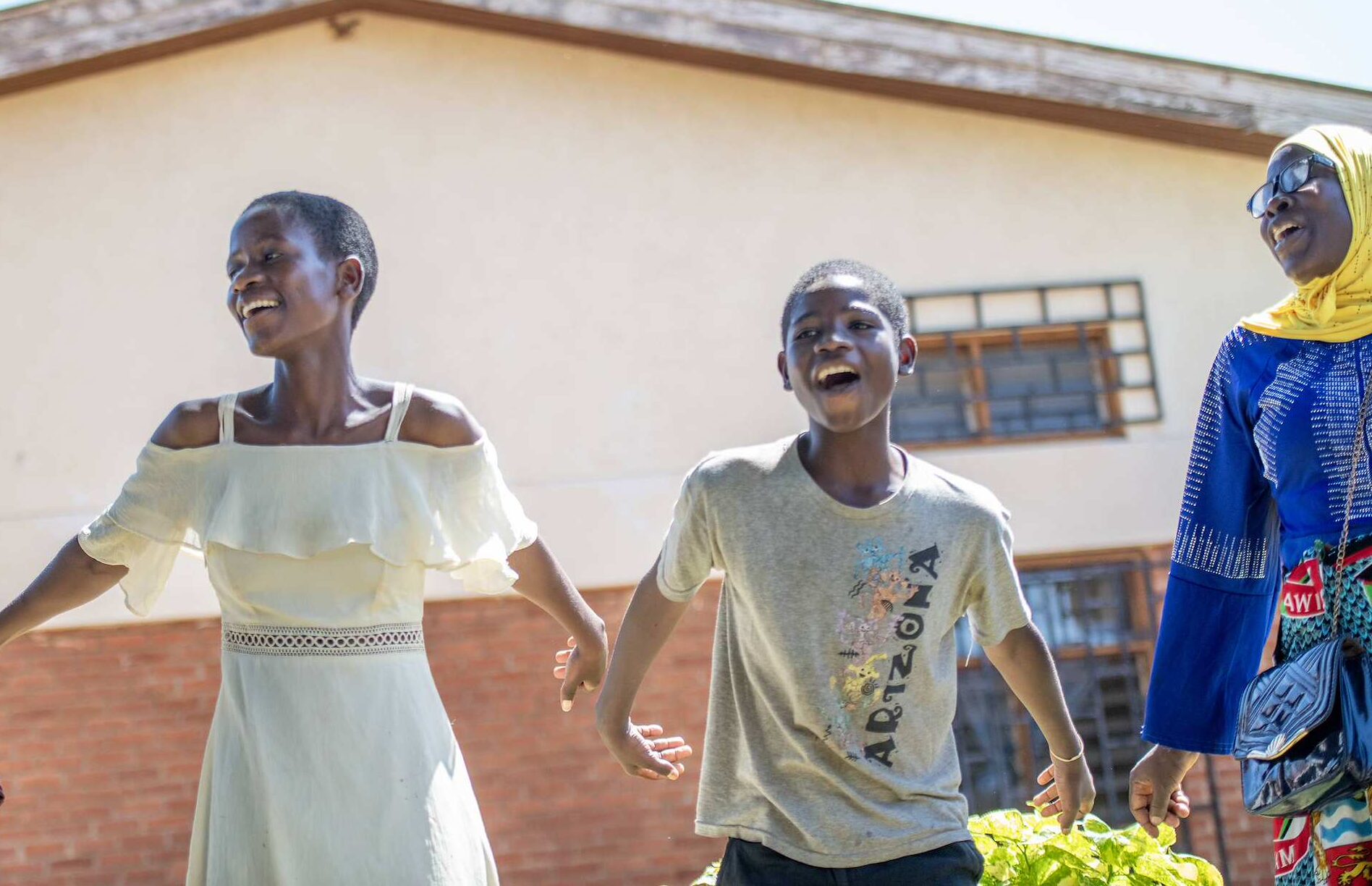
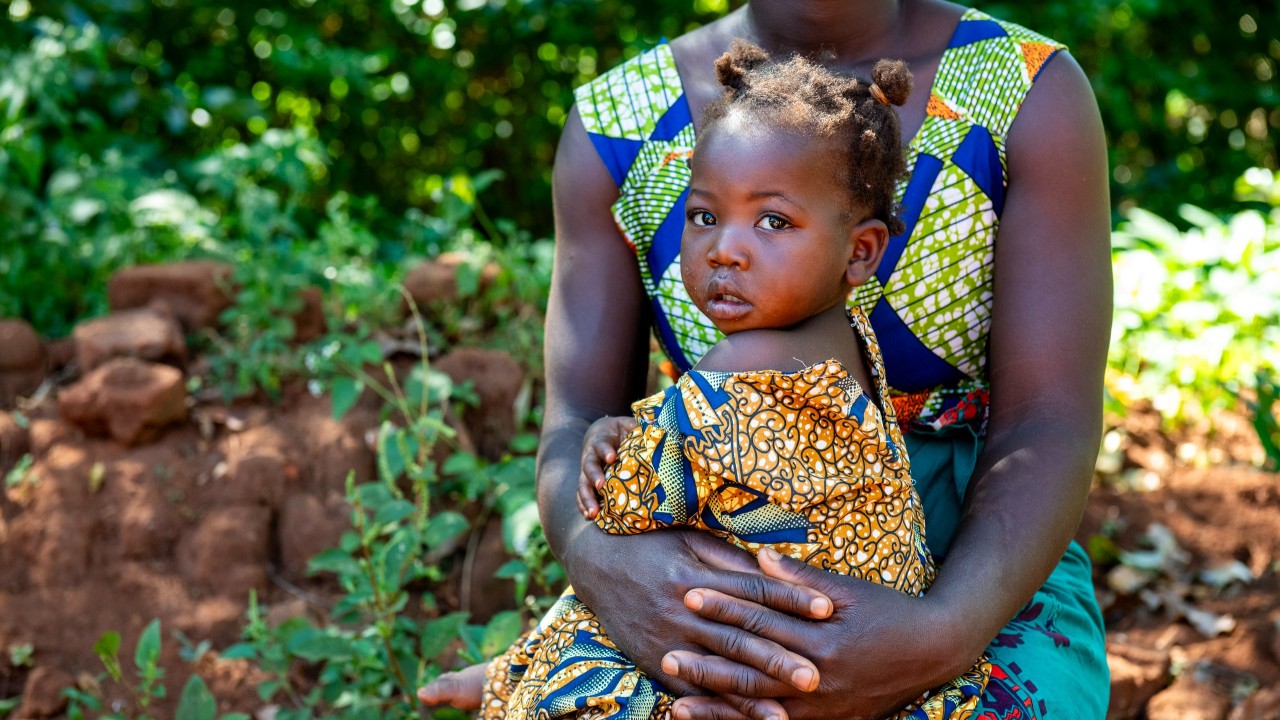
Children have consistently lagged behind adults when it comes to uptake and adherence to HIV services. The 2025 UNAIDS report shows that 54 percent of children living with HIV are still not on treatment, compared to 78 percent of adults.
This reality energizes Chouraya to continue his work. The shifts and reductions in funding have not dimmed his vision of a future when no child is born with HIV. But the path to that future has changed dramatically.
“I think the days of looking to the U.S. government totally for everything are over,” says Chouraya. “So the way forward is for governments to step up, to release more resources towards health services, and to maintain strong partnerships with local and international organizations who share their vision and can contribute expertise.
“National governments need to step up, step up, step up,” he says. “We cannot afford to step back.”
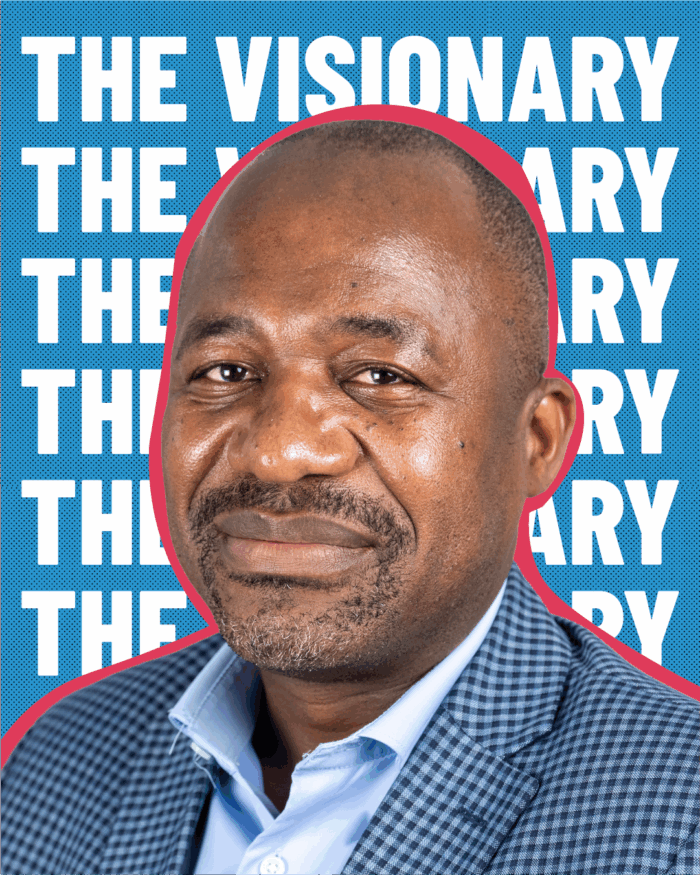
Caspian Chouraya, MD
“We cannot afford to step back.”
Meet the Other Fighters
Story
The Activist
Published January 2026
Topics:
Advocacy,
HIV
Countries:
Malawi
Story
The Volunteer
Published January 2026
Topics:
Children,
Differentiated Service Delivery,
HIV
Countries:
Uganda

Story
The Mother
Published January 2026
Topics:
HIV,
Mothers and Infants,
Prevention of Mother-to-Child Transmission (PMTCT)
Countries:
Uganda
Story
The Storyteller
Published January 2026
Topics:
Advocacy,
HIV
Countries:
Malawi
Story
The Advocate
Published January 2026
Topics:
Advocacy,
Children,
HIV
Countries:
United States

Story
The Doctor
Published January 2026
Topics:
HIV
Countries:
Cameroon