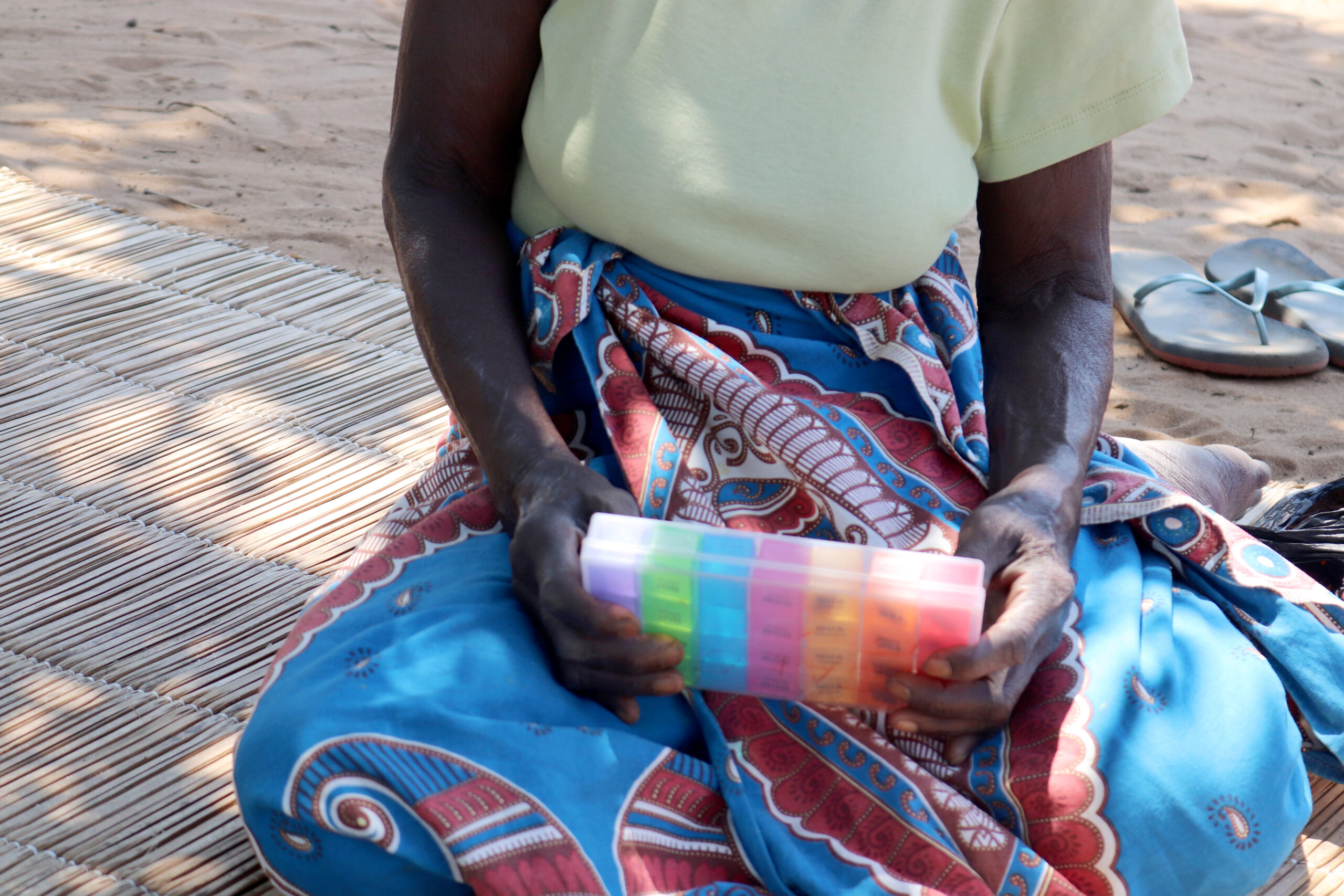
“I like to do things myself,” says Isabel Tinga, 75, a cassava farmer in central Mozambique.
She wants to expand her plantation to support herself in old age and provide a financial base for her niece, who suffers from mental illness. Isabel is her niece’s guardian and caregiver.
Isabel is usually energetic and productive, but in the past year, she lost the strength to keep up her duties. She had a persistent cough and felt pain throughout her body. Lacking an appetite, Isabel began to waste away. She even had difficulty speaking. Isabel became alarmed by her weakened state. The fate of both she and her niece were bound by her health. The future seemed bleak.
Everything changed when Isabel attended a community meeting about tuberculosis (TB) and HIV, led by the Liwoningo Association, a community-based organization in central Mozambique. From the information shared at this meeting, Isabel came to believe that her cough may be caused by TB, and she approached the health activists to learn more. The activists immediately referred her to the Manhala Hospital, where a clinical evaluation was performed.
“They gave me a small bottle to cough up and take it back. After a few days, the results came back [positive for TB].” Isabel was also tested for HIV and was grateful when that test came back negative. She started her TB treatment immediately.
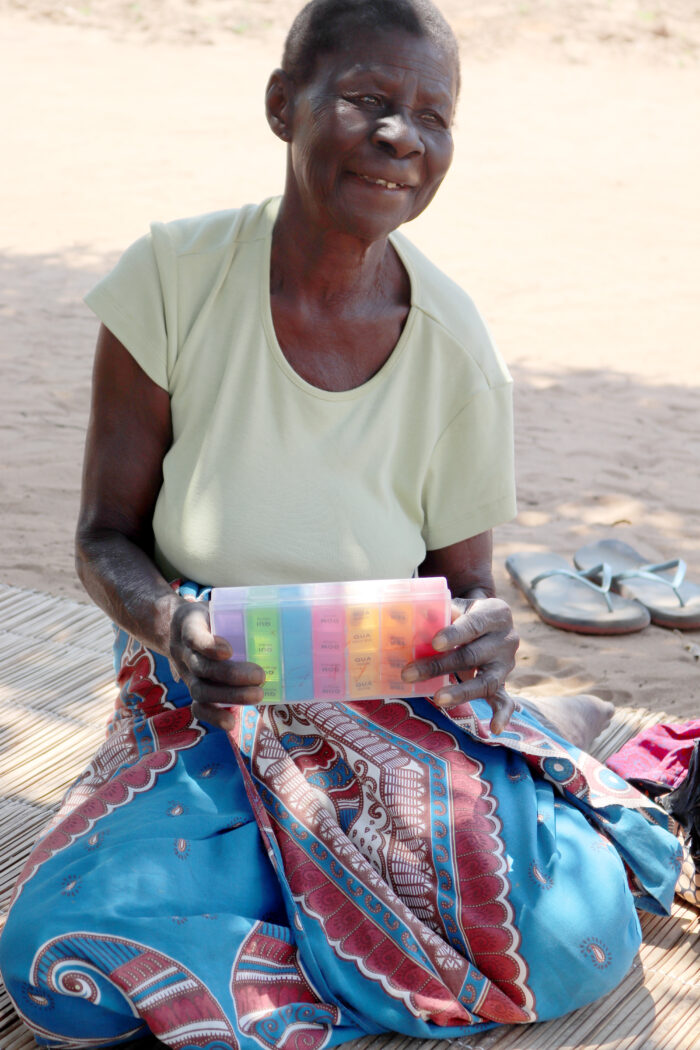
“I started taking the pills. At first, I had a lot of coughing up, I felt very weak. I could barely eat, and I was very underweight,” says Isabel.
Three months later, the medication has brought hope and life back to Isabel. She has gained weight and strength and is once again working on expansion plans for her farm.
“I’m truly grateful to the activists for all the support they’ve provided from the very beginning. They saved me,” says Isabel, who now tells others about how they can be freed from the bondage of disease.
“Isabel has become a voice of encouragement for others in her community, sharing her own experience and the importance of continued treatment,” says one of the health activists.
“The hospital is the best place to treat tuberculosis,” says Isabel, adding that “anyone who suspects they may have TB should seek help there, not from traditional healers.”
The Liwoningo Association is a community partner of the Elizabeth Glaser Pediatric AIDS Foundation (EGPAF). Isabel’s experience illustrates the importance of such organizations that connect people in the community to health services.
Reducing TB and HIV transmission and death requires ongoing monitoring in the community and breaking down the barrier of stigma. Community dialogues and lectures are essential for identifying hidden cases and offering nonjudgmental support. This allows people to feel secure about admitting difficulties and seeking help, so that they can regain independence.
“I’m truly grateful to the activists for all the support they’ve provided from the very beginning. They saved me.”
Isabel