When I was in my 20s, a young woman that I grew up with died during childbirth. At the time, I had no idea what maternal mortality was. I heard that she had bled to death. Her name was Njeri, and she was so much more than a statistic. Someone whom I had known throughout my childhood. She left behind a toddler and a newborn.
If you ask a woman in Africa, they will know a Njeri. We all know someone whose life course changed so dramatically that it’s hard to believe the outcome could have been different — and wasn’t.
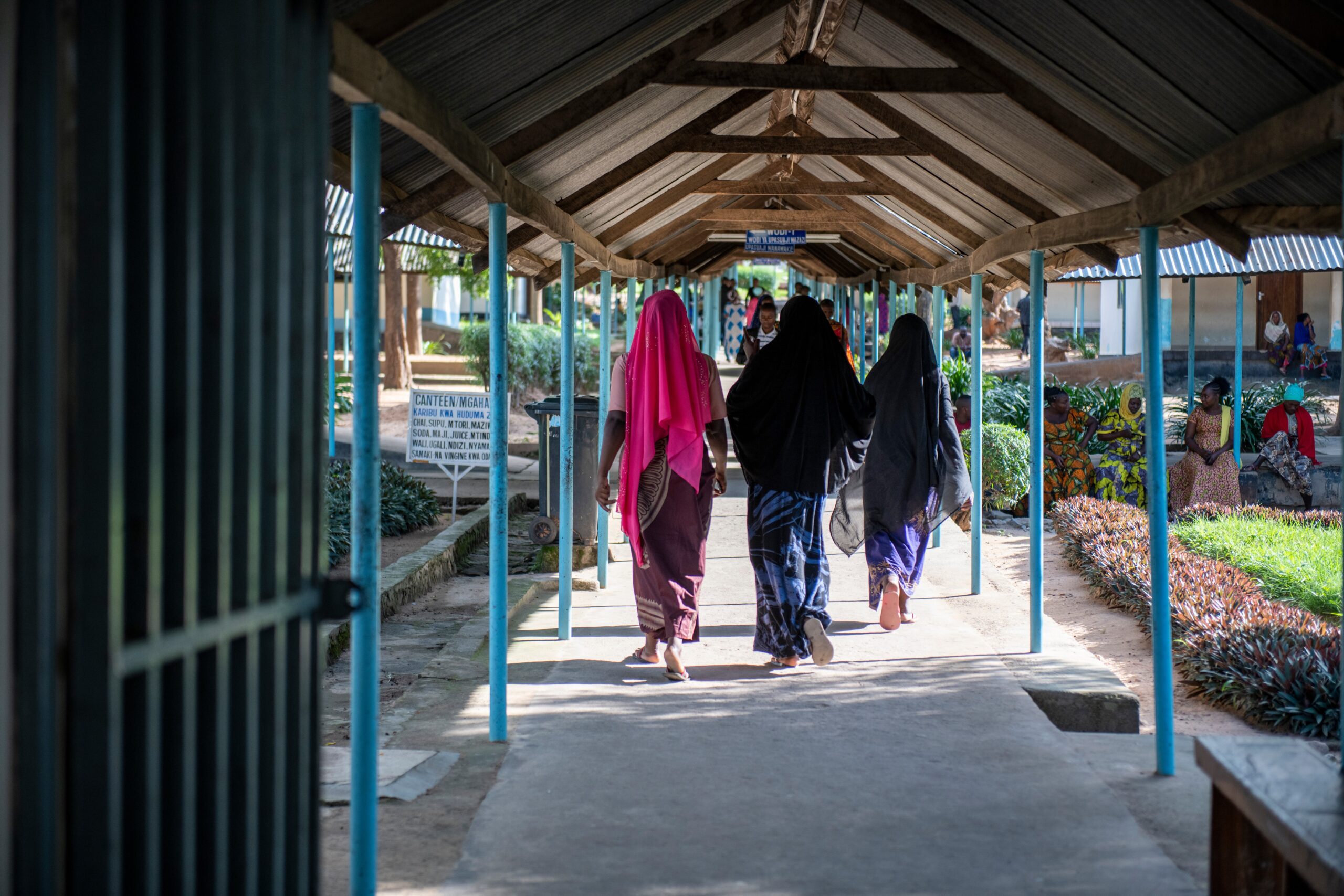
Across the continent, too many women continue to die during pregnancy and childbirth from entirely preventable causes. Too many adolescent girls are forced into early marriages, their education cut short, and their potential unrealized. Too many survivors of gender-based violence suffer in silence, unable to access the care and justice they deserve.
Sexual and Reproductive Health and Rights (SRHR) of our women and girls is one of the most critical yet often overlooked pillars of Africa’s development.
Behind every maternal death, every unplanned pregnancy, every HIV infection, every case of preventable cervical cancer, there is a daughter, a sister, a mother, a friend. For each of these women and girls, there is a life that holds infinite value and whose rights demand our unwavering protection.
We all know someone whose life course changed so dramatically that it’s hard to believe the outcome could have been different — and wasn’t.
Sexual and Reproductive Health and Rights are a Critical Tool in Combating HIV
It’s now been 15 years since I started working in the HIV sector, and over this time, there has been so much progress. But the work is not over. The intersection between sexual and reproductive health rights and HIV prevention cannot be overstated. In Africa, women and girls account for a disproportionate number of new HIV infections, not because of risky behavior, but because of systemic inequalities that rob them of the power to protect themselves.
A young woman aged 15-24 is three times more likely to acquire HIV than her male peers.
This is not a biological reality, this is a social injustice rooted in harmful gender norms, limited access to comprehensive sexuality education, economic vulnerability, and the inability to negotiate safe sex.
Comprehensive SRHR services, including access to HIV prevention tools like PrEP, voluntary counseling and testing, prevention of mother-to-child transmission programs, and services for survivors of gender-based violence are saving lives. When women can access family planning services, they can space pregnancies, reduce maternal mortality, and make informed decisions about HIV prevention.
There is tremendous value in breaking the silence around sexual health. Women must be empowered with knowledge, resources, and agency. The AIDS epidemic cannot be ended without addressing the sexual and reproductive health needs of women and girls.
Sexual and Reproductive Health and Rights Further the Fight Against Women’s Cancers
Similarly, sexual and reproductive health services are a frontline defense against cervical cancer and other reproductive cancers that devastate African women. Cervical cancer is the leading cause of cancer death among women in many African countries, yet it is almost entirely preventable. The HPV vaccine exists. Screening programs work. Treatment for pre-cancerous lesions is effective and affordable.
So why are women still dying?
Because they lack access to prevention, early detection, and treatment services, reproductive health systems remain under-resourced and fragmented. Too many women delay seeking care due to stigma, lack of information, or economic barriers.
These barriers should not be ignored. Integrating cervical cancer screening into sexual and reproductive health services is not just smart medicine; it is cost-effective, efficient, and saves lives.
Finding the Courage to Advocate for Women
Advocating for sexual and reproductive health rights requires courage. It means challenging cultural taboos, confronting patriarchal resistance, and speaking uncomfortable truths. It means standing firm in the face of opposition and choosing the well-being of women and girls over political and social expediency.
But it is worth it.
Investing in sexual and reproductive health and rights is investing in the foundation of thriving communities and prosperous nations. Healthy mothers raise healthy children. Educated girls become empowered women who drive economic growth, innovation, and social transformation. Gender equality is not just morally right; it is economically imperative.
As I reflect on International Women’s Day, I am convinced that we cannot be bystanders in pushing forward SRHR. Each of us must contribute to a continent where every woman and girl can live with dignity, make her own choices about her body and her future, and reach her full potential.
Gender equality is not just morally right; it is economically imperative.

About the Author
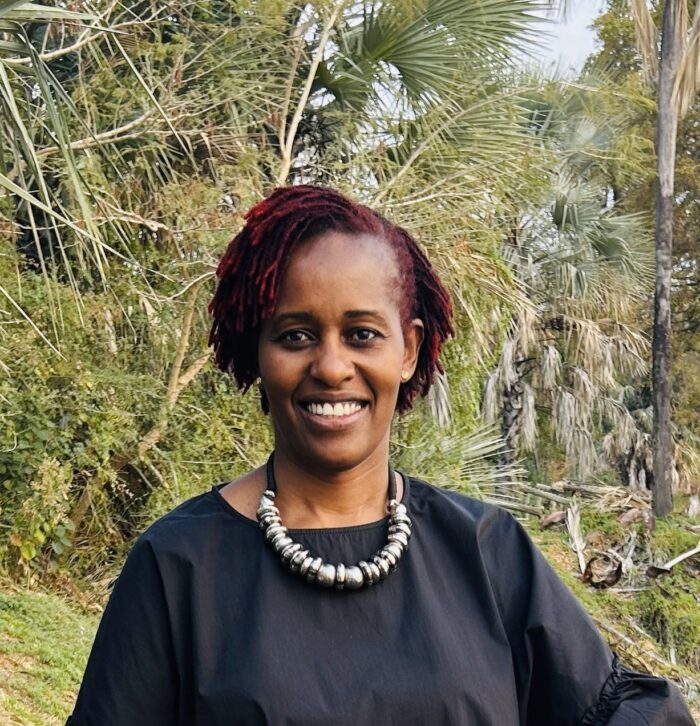
Rhoda Igweta
Rhoda is the Regional Director of Public Policy & Advocacy at the Elizabeth Glaser Pediatric AIDS Foundation. She leads EGPAF’s Africa-based advocacy work by developing and implementing advocacy strategies that align with national and regional priorities, with a particular focus on pediatric, adolescent, and women’s health.
Rhoda is based in Nairobi, Kenya.