
As HIV research faces devastating funding cuts, a longtime NIH leader warns that decades of progress for mothers and children are at risk.
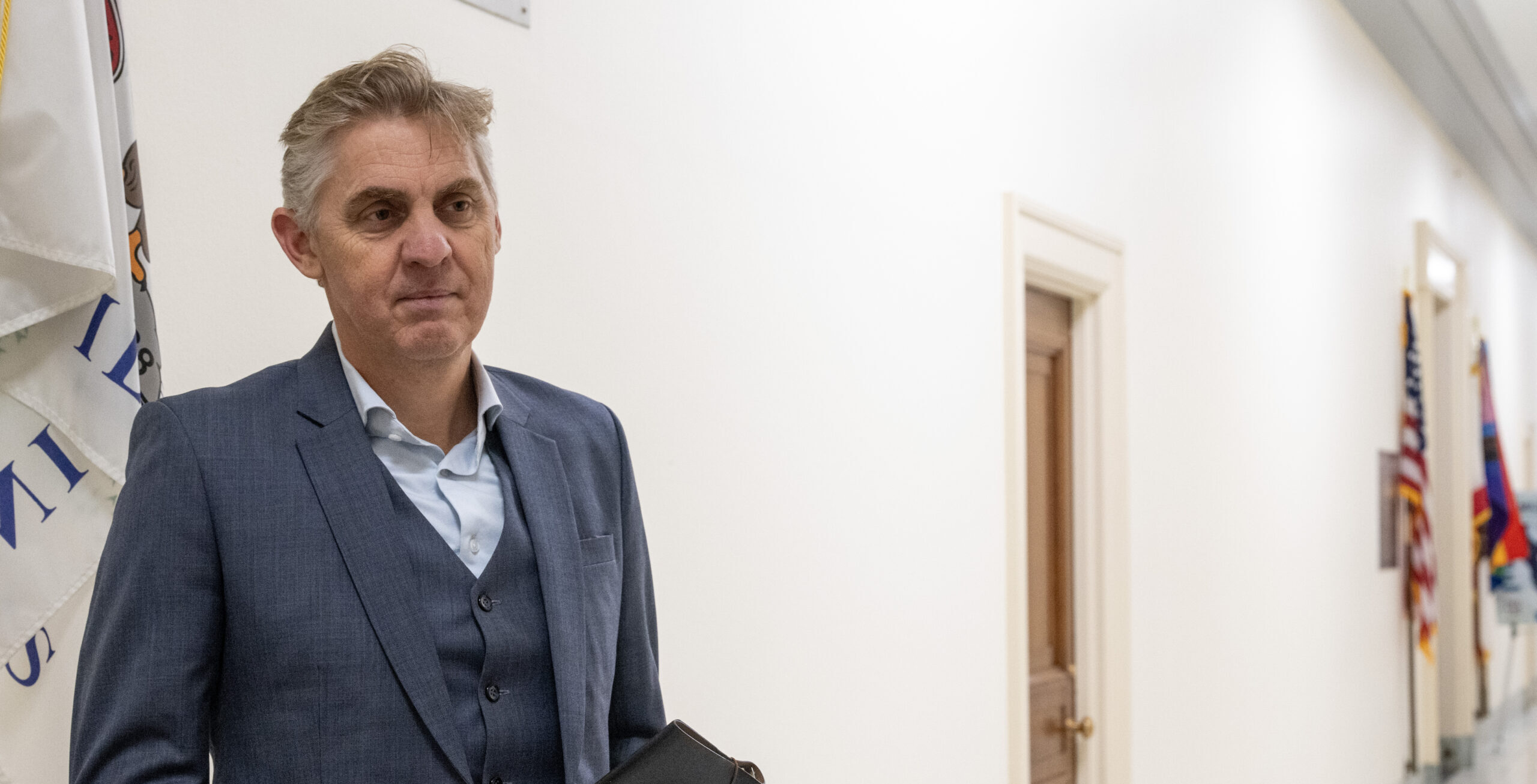
Dr. Lynne Mofenson, M.D., started her career as a pediatric infectious disease physician and then became a researcher at the U.S. Eunice Shriver Kennedy National Institute of Child Health and Human Development (NICHD), National Institutes of Health (NIH), where she focused on prevention and treatment of pediatric and maternal HIV. She led many of the key clinical trials on the prevention of mother–to–child HIV transmission. After retiring from the NIH in 2014, Dr. Mofenson joined the Elizabeth Glaser Pediatric AIDS Foundation (EGPAF), where she currently serves as senior HIV technical advisor to the Research Program.
As a longtime HIV researcher, how are you feeling one year after U.S. cuts to scientific research and other policy changes?
Well, from my point of view, it’s a disaster. There’s been $1.8 billion of funding cuts in medical research funding at the NIH, including over 230 HIV-specific grants.
For example, a Botswana grant that was looking at birth outcomes and the safety of various drugs in pregnancy has been stopped. In South Africa, a grant that was looking at the safety of dolutegravir in pregnancy for the mother and the baby…that was terminated. The Adolescent Trials Network that my branch at NICHD set up when I was at NIH that specifically looked at HIV research for treatment and prevention in HIV-infected and uninfected adolescents…that was terminated. Another study called MOSAIC (Maximizing Options to Advance Informed Choice for HIV Prevention), which was studying how to enhance implementation of current and novel HIV prevention projects, and was also going to evaluate safety of PrEP in pregnancy…that was terminated.
The person who directed the Division of AIDS at the National Institute of Allergy and Infectious Diseases (NIAID) since 2006—including the clinical trials networks—was reassigned from NIAID to the Fogarty International Center, resulting in a significant loss of institutional memory and research experience at NIAID.
The clinical trials network funding has been delayed and may be cut by 30% if the president’s budget goes through. This includes the IMPPACT Network (Investigation of Medical Professionals and Patients Achieving Control Together), which is devoted to the treatment and prevention of HIV in infants, children, adolescents, and mothers.
Significant cuts in the U.S. Centers for Disease Control and Prevention (CDC) HIV programs and the US President’s Emergency Plan for AIDS Relief (PEPFAR) will have major effects on global HIV treatment and prevention. PEPFAR provides treatment to two-thirds of all patients with HIV across more than 50 countries and has resulted in almost 8 million babies of women living with HIV to be born HIV-free. While PEPFAR has not yet been eliminated, thanks to Congressional action on the President’s proposed budget, decreased funding coupled with significant restrictions on what funding is spent on, will still have major global impact on the progress we have made in treatment and prevention of HIV. These cuts have a real and significant impact on the survival of mothers and children with HIV.
So I’m just watching all of these HIV research projects and clinical trials networks that have accomplished major advances in HIV treatment and prevention for children and mothers over the last three decades be basically decimated by funding cuts—just at the time we may actually be capable of achieving elimination of new pediatric HIV infections and preventing HIV infections in mothers.
There has also been promising research in recent years on developing a virtual cure for HIV—long-term remission and potential HIV vaccine. How has that been affected?
The NIH cancelled approximately $1.8 billion in biomedical research grants, including the Consortia for HIV/AIDS Vaccine Development (CHAVD), effectively halting major NIH-funded HIV vaccine research efforts. The annual funding for the consortia—about $67 million—represents a significant portion of the NIH’s funding for HIV vaccine development. Relatedly, the U.S. Department of Health and Human Services has defunded mRNA vaccine development.
Given cuts in NIH-funded clinical trials, which include studies on how to induce potential remission—or even cure—of HIV, we can expect a slowdown in research on cure, particularly in children. And it is worth understanding that these cuts do not only hurt development of an HIV vaccine or HIV cure. They set research back in terms of cures for various cancers—and other lethal diseases as well. Basic research on HIV has yielded major advances in other fields, for example providing insights into development of cancer which has led to development of new therapeutic strategies and directly contributed to the rapid development of COVID-19 vaccine, which saved millions of lives.
Last year, the U.S. Food and Drug Administration approved lenacapavir, which can offer six months of protection against acquiring HIV. Many in the public health sphere are calling this a gamechanger. What are your hopes, what are your concerns?
Lenacapavir pre-exposure prophylaxis (PrEP) offers a significant breakthrough in HIV prevention for women, including pregnant and breastfeeding women. If we can effectively intervene in preventing women from acquiring HIV, that means that their children will be born HIV-free. So this can be a key step toward eliminating new pediatric HIV infections globally. If not for the funding cuts, I would be entirely optimistic about the global implementation of lenacapavir PrEP.
But this drug will require more effort than just shipping it to health centers. You have to have in place all of the infrastructure—the clinic, the staff, the storage facilities—for this to work. The drug needs special storage. It can’t be at high temperatures. It’s supposed to be protected from light.
You need to have clinic staffing. You need to train providers. You need to have a clinic that can safely give injections, and safely deal with disposal of needles/syringes used for injection. You need to ensure that you’ve got adequate storage and stock so that you don’t run out of drug. You need to have monitoring and follow-up with the patient. And you need to have HIV testing available to monitor that intercurrent HIV infection hasn’t broken through the PrEP regimen.
This is not a one-and-done procedure. To initiate lenacapavir PrEP, it requires an injection plus an oral (2 pills a day for 2 days) lead-in to ensure protective drug levels are reached rapidly after starting the drug. Without this oral lead-in, it can take six months before protective levels are achieved.
So if the infrastructure to give lenacapavir isn’t there, then the drug cannot be provided effectively and safely. The infrastructure funding needs to be provided or reinstated.
When you take a breath and consider this moment, do you see anything positive?
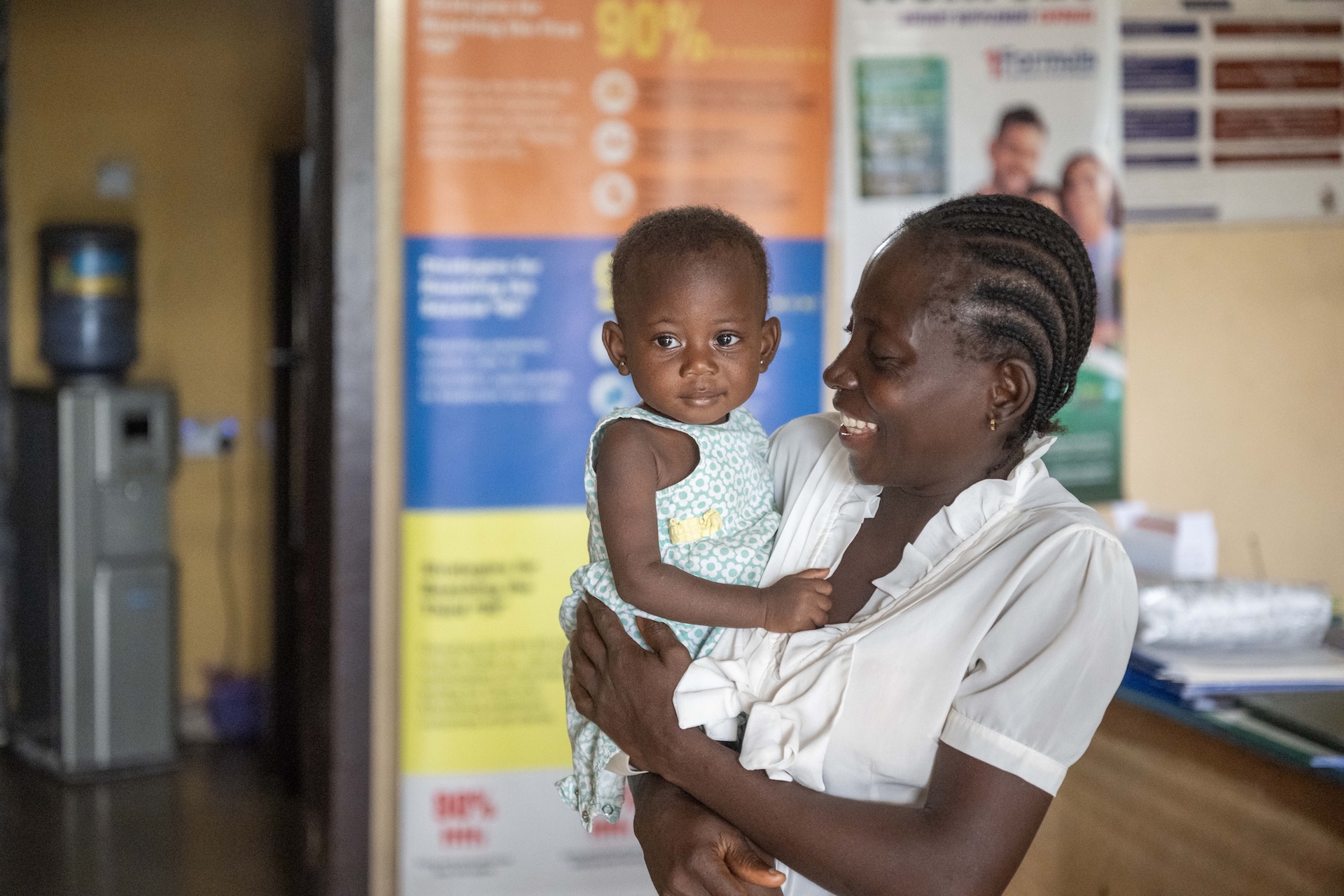
We have interventions now that can reduce HIV transmission to near zero if we can just implement them. When I started at the Elizabeth Glaser Pediatric AIDS Foundation (EGPAF), my goal was to take all the knowledge that I had gathered at NIH, all the research that we’d done, and figure out how to implement it internationally. And it has been very rewarding to watch our successes with provision of treatment to children who without treatment 50% would die by age 2 years but with treatment are now living into young adulthood, and to watch countries’ vertical HIV transmission rates drop from nearly 50% in breastfeeding women in high HIV burden countries to under 2% currently in some countries like Botswana.
But as I said before, these interventions only work if there is the infrastructure in place to deliver them. And continuing research on new, even more effective interventions and even a cure will save more lives and, ultimately, a lot of money. We have gone from treatment with multiple pills that require administration several times a day to the potential to provide long-acting treatment by an injection that may need to only be given every two months—and perhaps even only once every 6 to 12 months in the future. It’s a wise use of our resources.
You knew Elizabeth Glaser personally. What do you think she would say about this moment?
I did know Elizabeth Glaser and attended NIH meetings with her to discuss what research would be needed for treatment and prevention of pediatric HIV and what funding would be needed to support such research. I was part of the EGPAF grant review process as far back as 1988 when it was a small advocacy and grant-giving organization. So I’ve been working with EGPAF for nearly 40 years in one way or another. Elizabeth’s advocacy was critical to enable funding to be set aside for pediatric HIV treatment and research that virtually eliminated mother-to-child transmission of HIV in the United States. This was a huge win. And that research has now saved millions of lives through the U.S. President’s Emergency Fund for AIDS Relief (PEPFAR).
Watching EGPAF move from a small advocacy and grant-giving organization to an organization supporting global provision of pediatric HIV treatment and prevention and being near reaching a goal of eliminating pediatric HIV globally, has been amazing and rewarding. I don’t think that Elizabeth could have imagined the impact her work and organization has accomplished. But I think that if she were alive today, she would be right back at Congress fighting for children, demanding that they fund the research and programs that can lead to no child being born with HIV.