You might think HIV is a disease of the past — but it’s not. As the son of a pioneering HIV advocate and as someone born with the virus, I know that truth firsthand.
In 1981, my mother, Elizabeth Glaser, contracted HIV during a blood transfusion while giving birth to my sister, Ariel. Unknowingly, she passed the virus to Ariel through breast milk and, later, to me in utero.
Back then, without antiretroviral therapy, infants born with HIV rarely survived. My sister died of AIDS in 1987, at just seven years old.
Her loss ignited my mother’s resolve: losing a child to HIV would no longer be acceptable. She founded the Elizabeth Glaser Pediatric AIDS Foundation to ensure that every child and family could have a fighting chance.
Since then, the world has achieved remarkable progress. In 1984, the year I was born, scientists identified the retrovirus responsible for AIDS — a breakthrough that transformed diagnosis and treatment. Collaboration followed as advocates, scientists, and global partners joined forces.
Together, we’ve saved 26 million lives, prevented 4.4 million children from acquiring HIV, and ensured 77% of people living with HIV now have access to treatment powerful enough to suppress the virus to undetectable, untransmittable levels.
So, with all this progress—with the tools and knowledge to end HIV as a public health threat—why haven’t we crossed the finish line?
Breakthrough medicine means nothing without access.
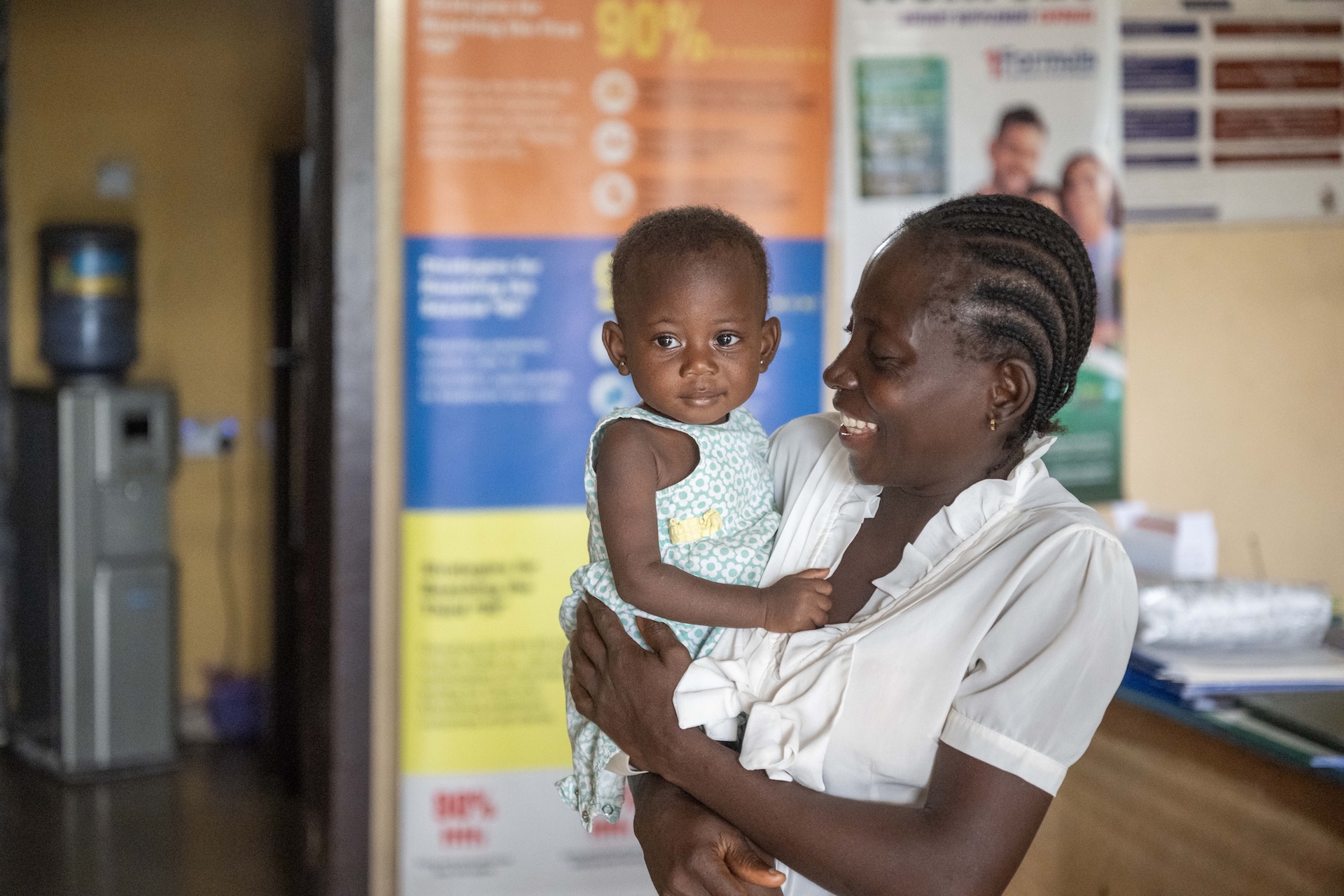
Right now, too many people, especially children, are being left behind. Nearly half (45%) of all children living with HIV are not on treatment. Add adolescents, parents, and young adults, and the numbers multiply. The most vulnerable are still the least likely to receive care.
Despite all our progress, access is slipping backward.
At the same time, funding is drying up. Both private and public donors have sharply reduced their contributions to the HIV response. As a result, clinics are closing, health workers are losing their jobs, and families are being cut off from lifesaving medicine not only for HIV, but for the full spectrum of care these programs provide. Even critical vaccine research has been scaled back.
Our progress is unraveling in front of us. We’re watching history threaten to repeat itself—echoes of the late ’80s and early ’90s, when fear, stigma, and neglect fueled unnecessary loss.
In 1992, my mom said, “Sometimes in life there is that moment when it’s possible to make a change for the better. This is one of those moments.”
When she spoke those words, it was as if a fire was raging and she was sounding the alarm. Today, we can all hear that alarm, yet too many are waiting for someone else to pick up the hose and extinguish the flames.
Complacency is not an option. This crisis is not someone else’s problem. We know how to put this fire out. We know what works. We can — and must — finally bring an end to the HIV epidemic.
Breakthrough medicine means nothing without access.
Jake Glaser