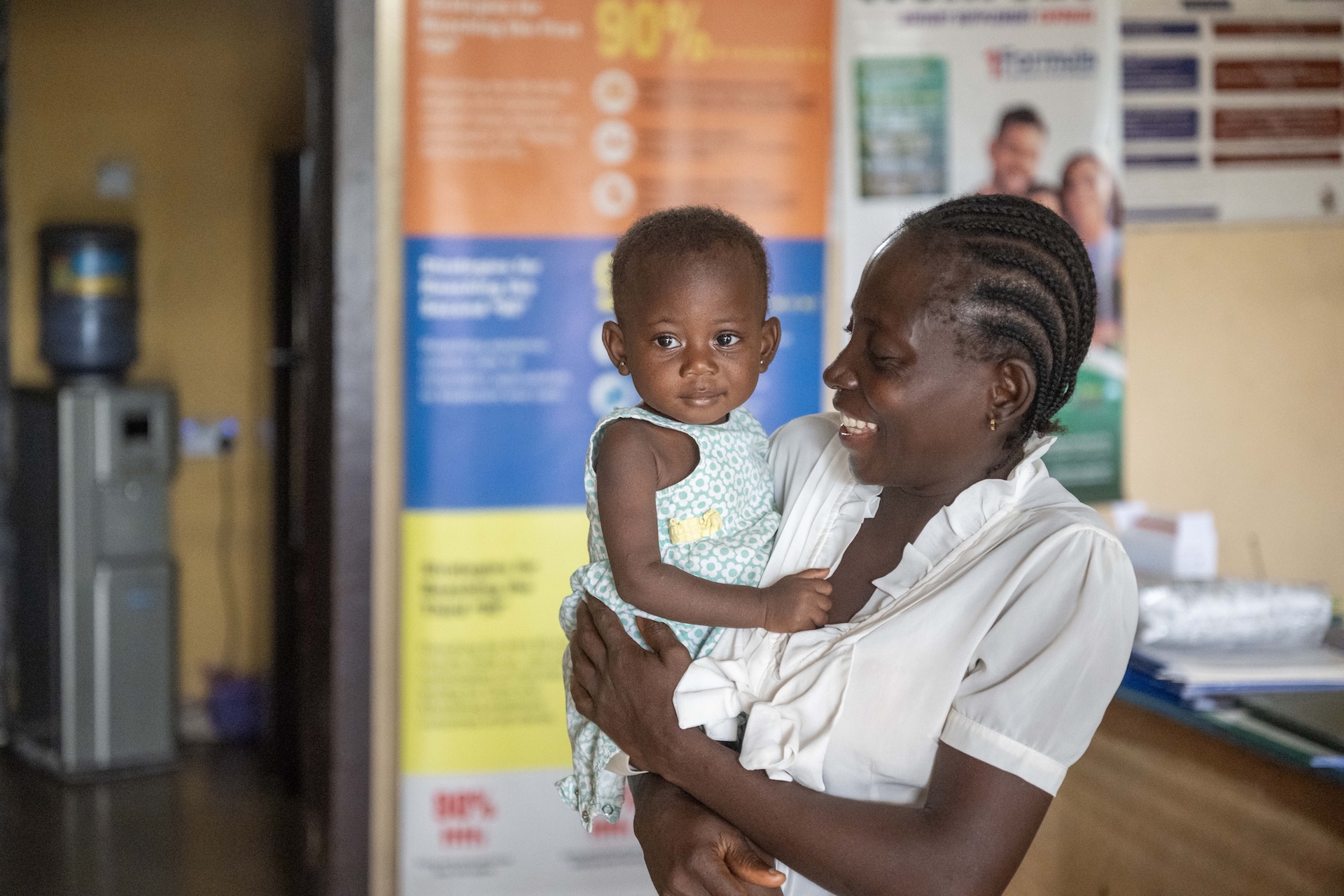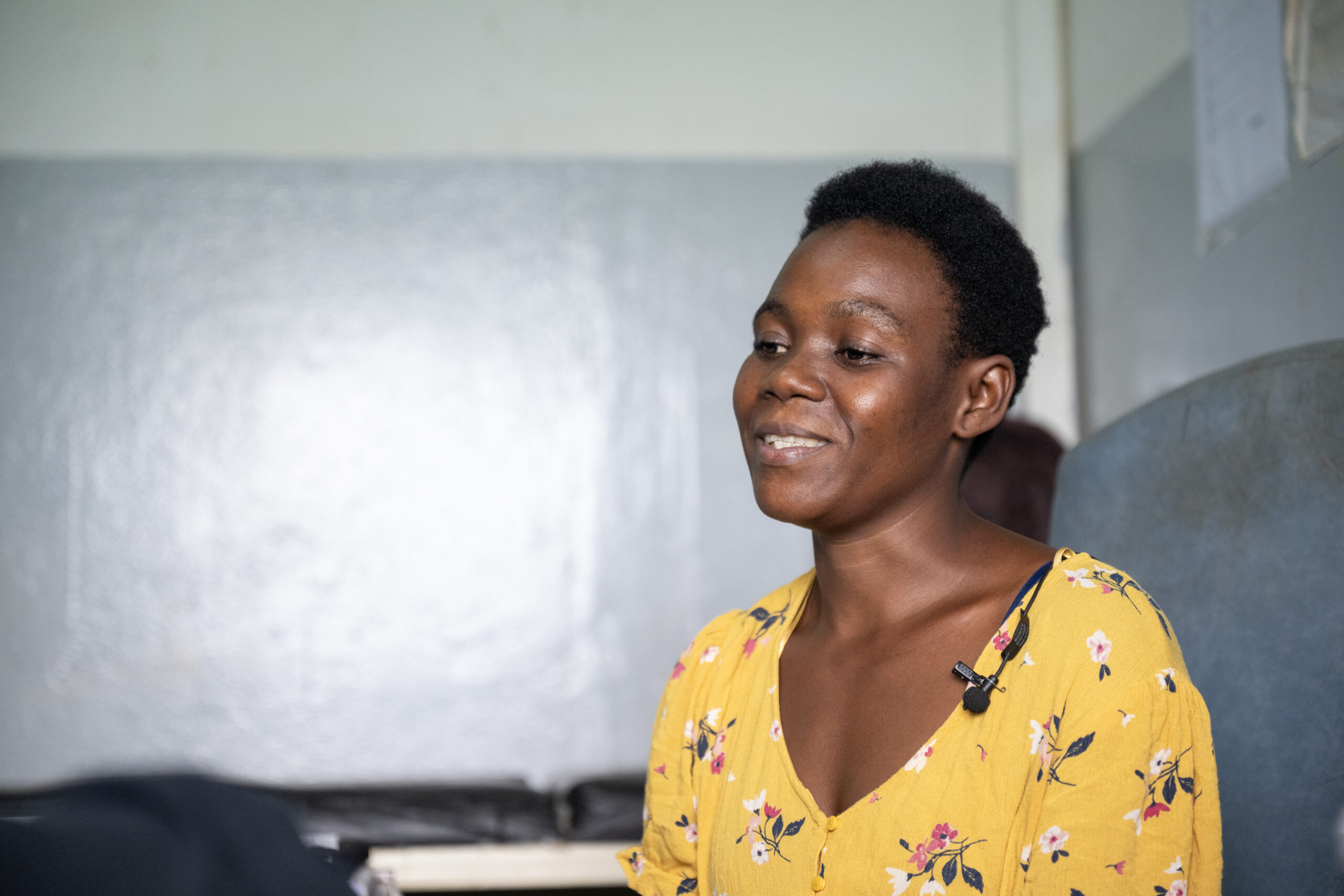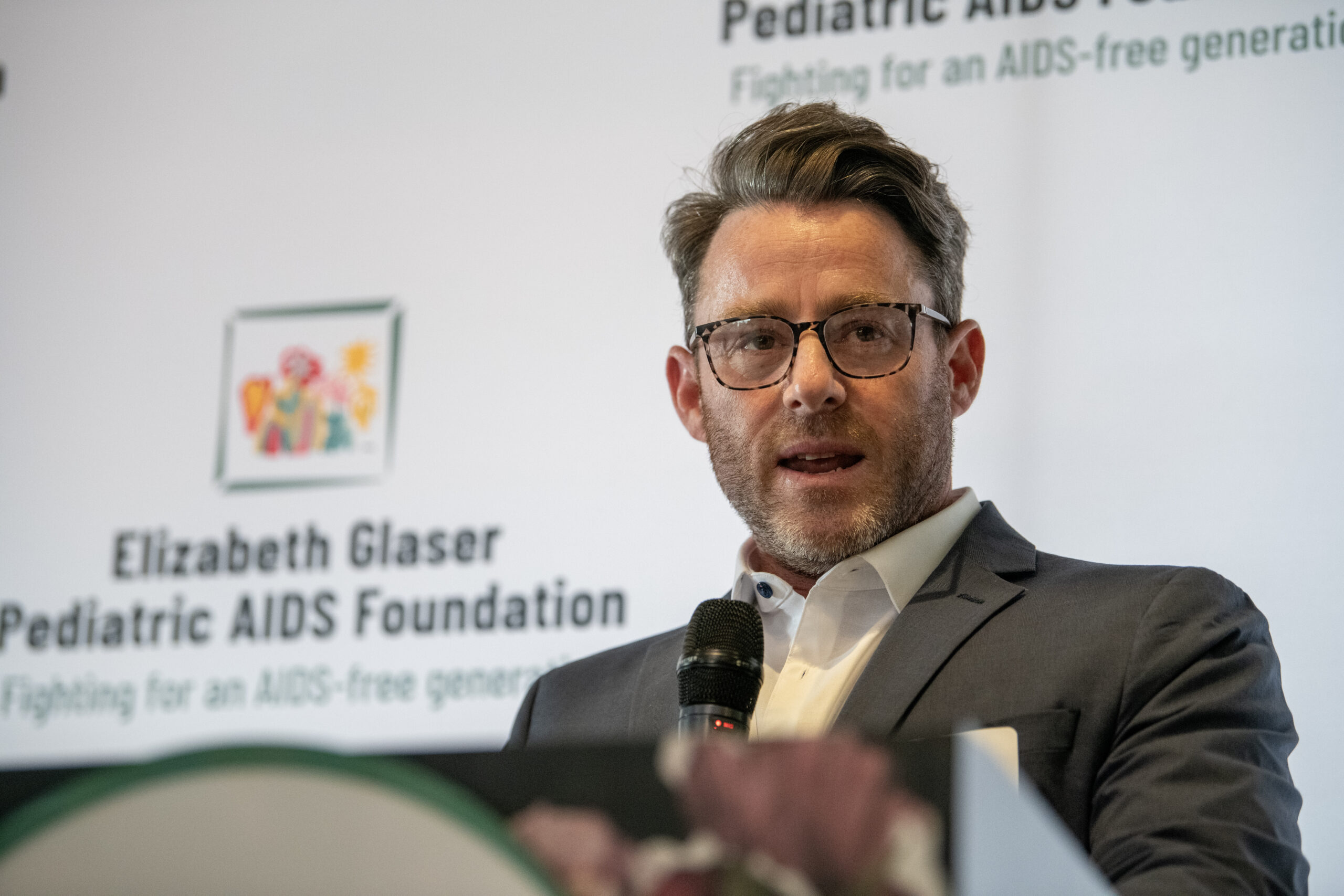


“I think we can definitely say that PEPFAR really helped build a successful HIV response in Cameroon,” says Diego Nitcheu, M.D., the clinical doctor site lead for the Elizabeth Glaser Pediatric AIDS Foundation (EGPAF).
Dr. Nitcheu says that through funding from the United States President’s Emergency Plan for AIDS Relief (PEPFAR) over the years, partners like the Elizabeth Glaser Pediatric AIDS Foundation (EGPAF) worked closely with the government of Cameroon to weave a network that has not frayed in the face of cuts to international aid in 2025.
“When the Stop Work order happened, people were really worried,” says Dr. Nitcheu.
“We even had some clients who were under this fear of no longer having their drugs. But since they have been getting their drugs regularly with no major problem, things are really positive.”
It’s true that with the Stop Work order, there were pauses in activities. But when the Stop Work order was lifted, health workers resume most of these activities, especially direct saving services, provide drugs to these clients who are in hard-to-reach areas.
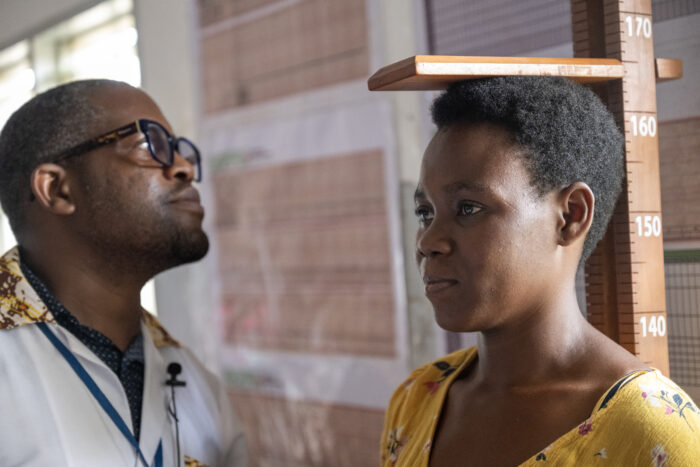
While resources are still stretched thin, Dr. Nitcheu points to the Pediatric Centers of Excellence as an example of how his work at EGPAF continues. These centers are ongoing support hubs for families affected by HIV.
“We still have the mother mentors. We still have the expert clients, who are supporting patients living with HIV—supporting them in terms of making sure that they have their drugs and counseling, helping them to accept their condition of living with HIV. We have rekindled the children and adolescent support group so that children living with HIV could feel supported,” he says.

Dr. Nitcheu says that he sees a positive effect of the sudden cut in funding.
“The Stop Work order has given the government a bit of a shock and made them realize that they were lagging behind [in providing services]. And now the government has taken some major steps. It is no longer just waiting for external aid. This has opened a transition of both the Ministry of Health and international partners working really closely in collaboration,” with the Ministry taking more of a leadership role.
“So I really have a great hope that we’ll continue with this fight and then we will be able to actually see a world with no new transmission of HIV to children.”
“It is no longer just waiting for external aid. This has opened a transition of both the Ministry of Health and international partners working really closely in collaboration.”
-Diego Tchouakam Nitcheu
Meet the Other Fighters
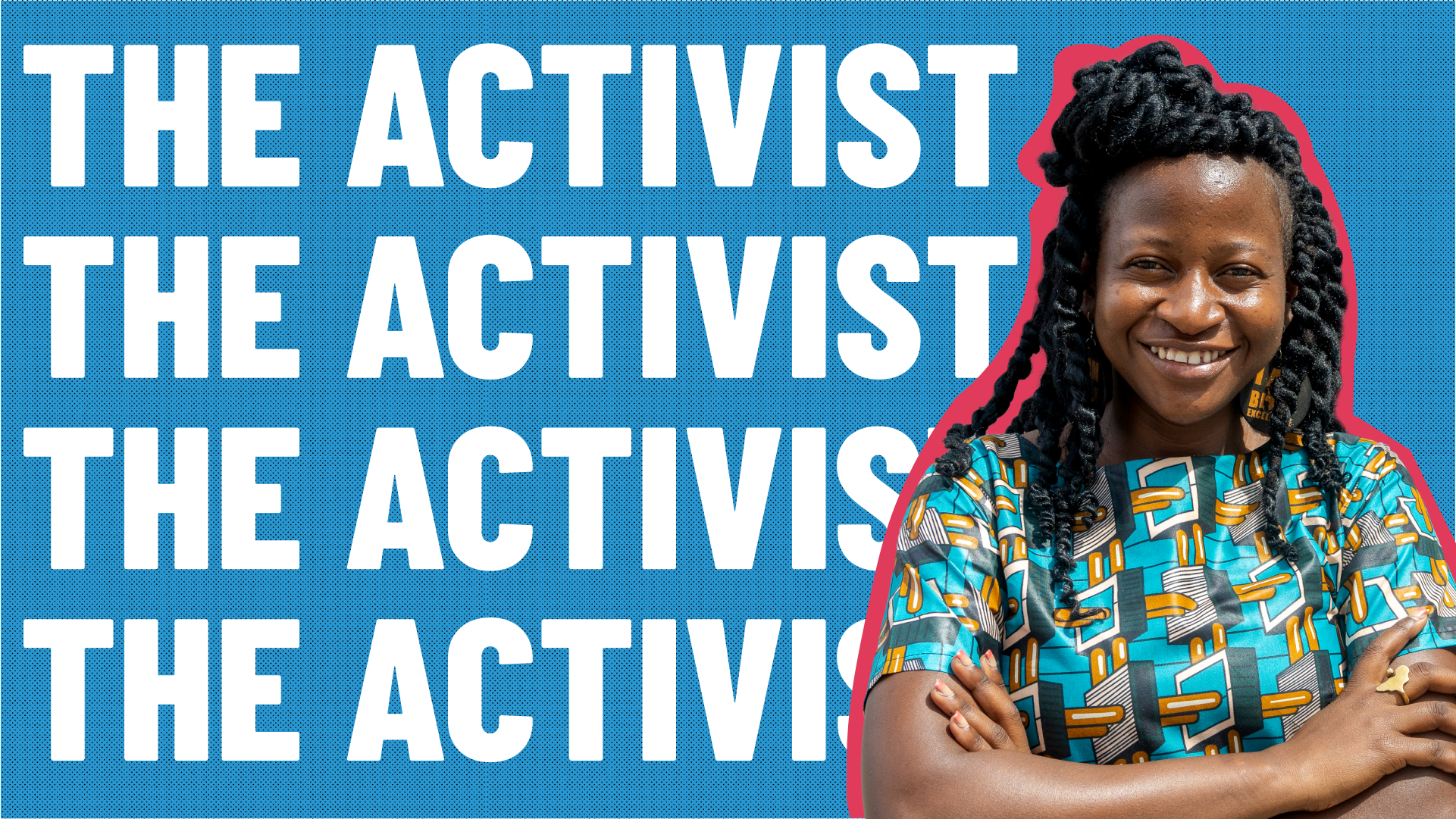
Story
The Activist
Published January 2026
Topics:
Advocacy,
HIV
Countries:
Malawi
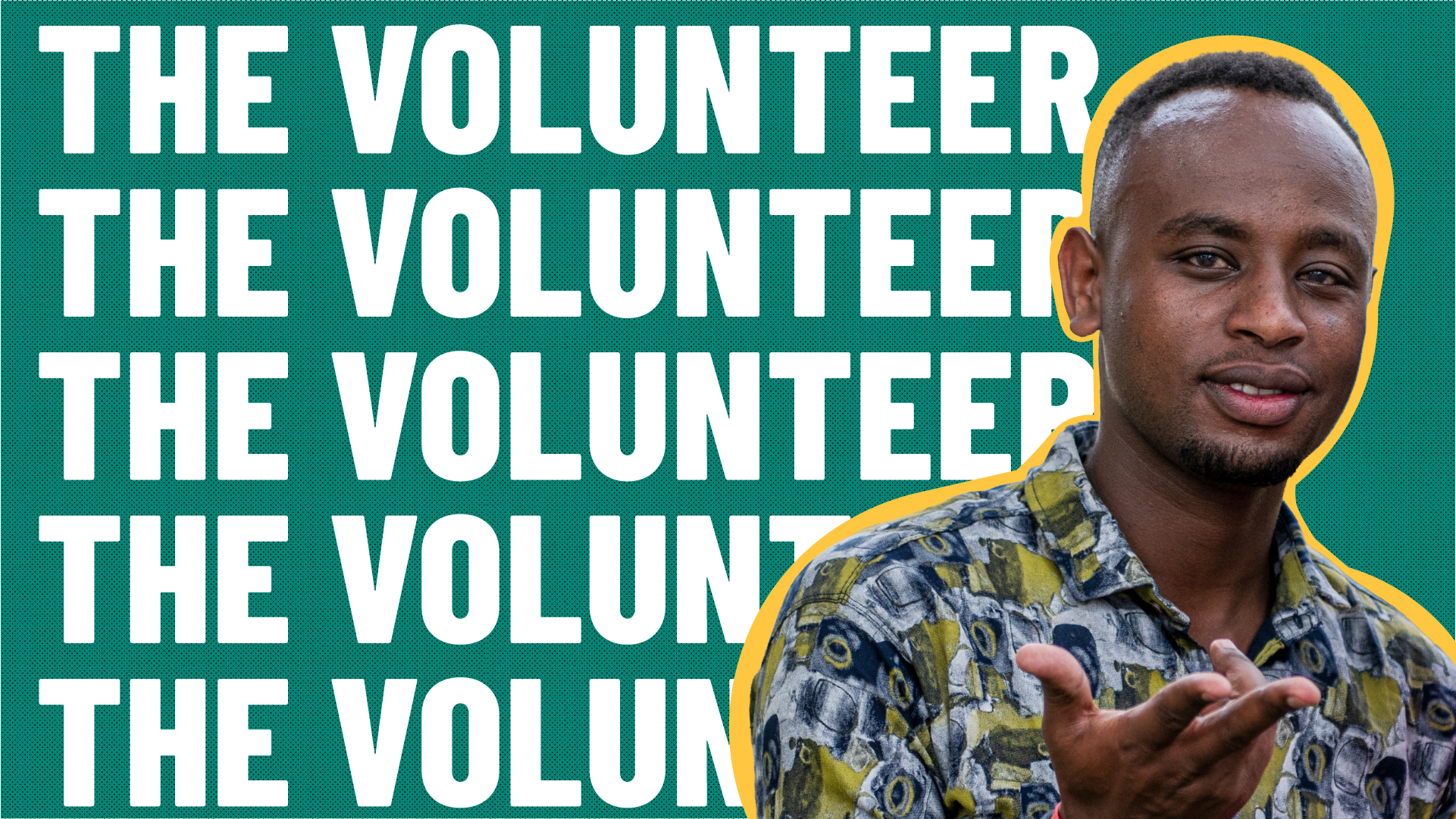
Story
The Volunteer
Published January 2026
Topics:
Children,
Differentiated Service Delivery,
HIV
Countries:
Uganda
Story
The Mother
Published January 2026
Topics:
HIV,
Mothers and Infants,
Prevention of Mother-to-Child Transmission (PMTCT)
Countries:
Uganda
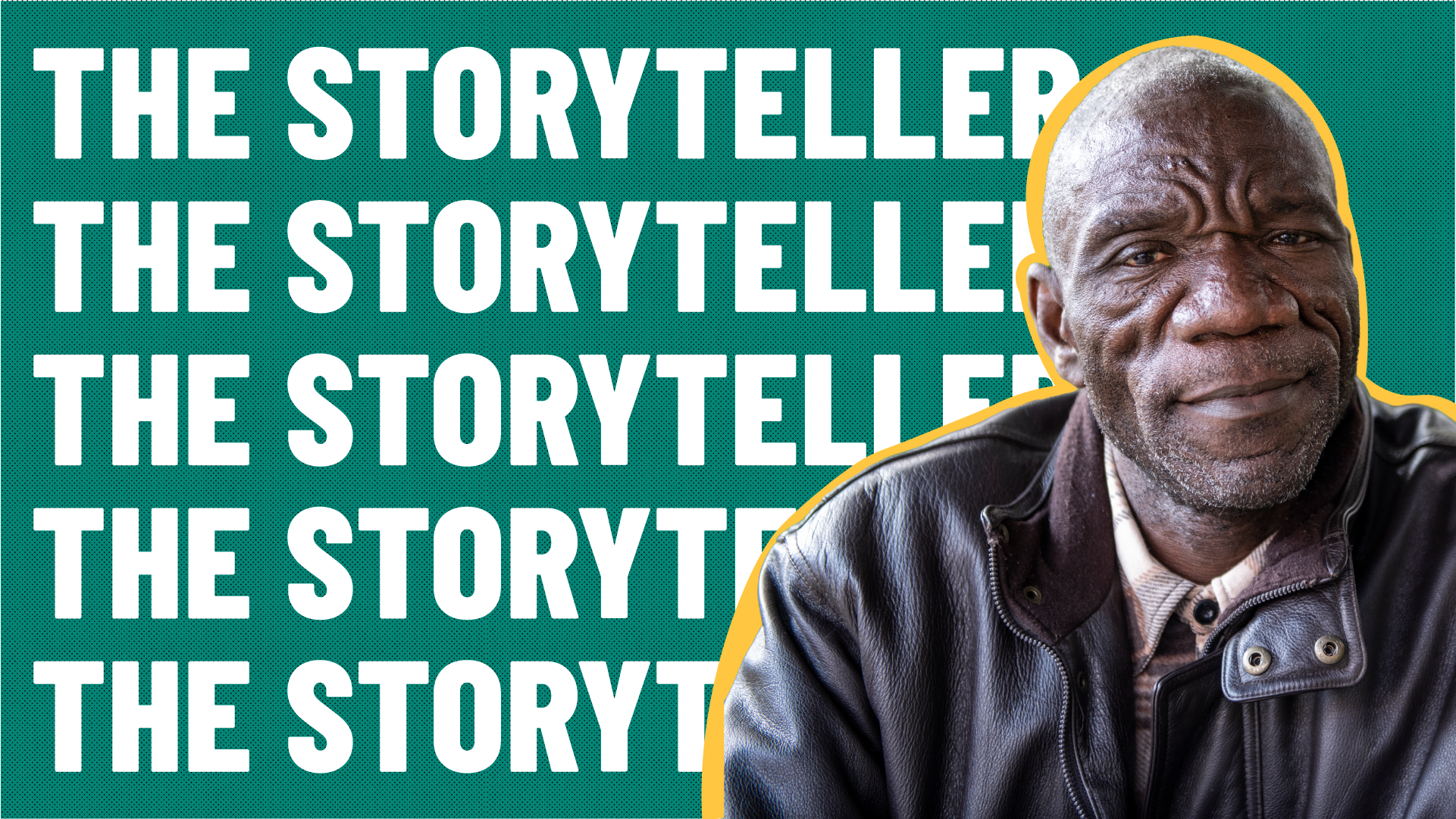
Story
The Storyteller
Published January 2026
Topics:
Advocacy,
HIV
Countries:
Malawi
Story
The Visionary
Published January 2026
Topics:
Children,
Health System Strengthening,
HIV
Countries:
Eswatini
Story
The Advocate
Published January 2026
Topics:
Advocacy,
Children,
HIV
Countries:
United States