
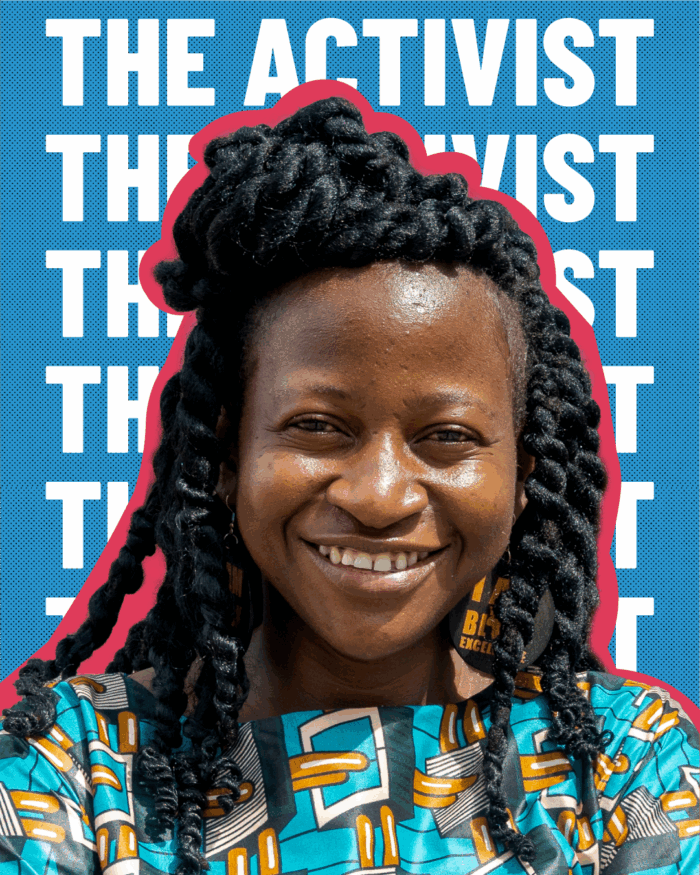
“I think we’re going to an era where we are going to really need to work like we’ve never worked before,” says Elina Mwasinga, the executive director of Y+ Malawi, which mobilizes young people living with HIV.
Elina sees civil society organizations, faith-based organizations, and the business community within Malawi as crucial to navigating the HIV response, one year after the Executive Order Reevaluating and Realigning U.S. Foreign Aid.
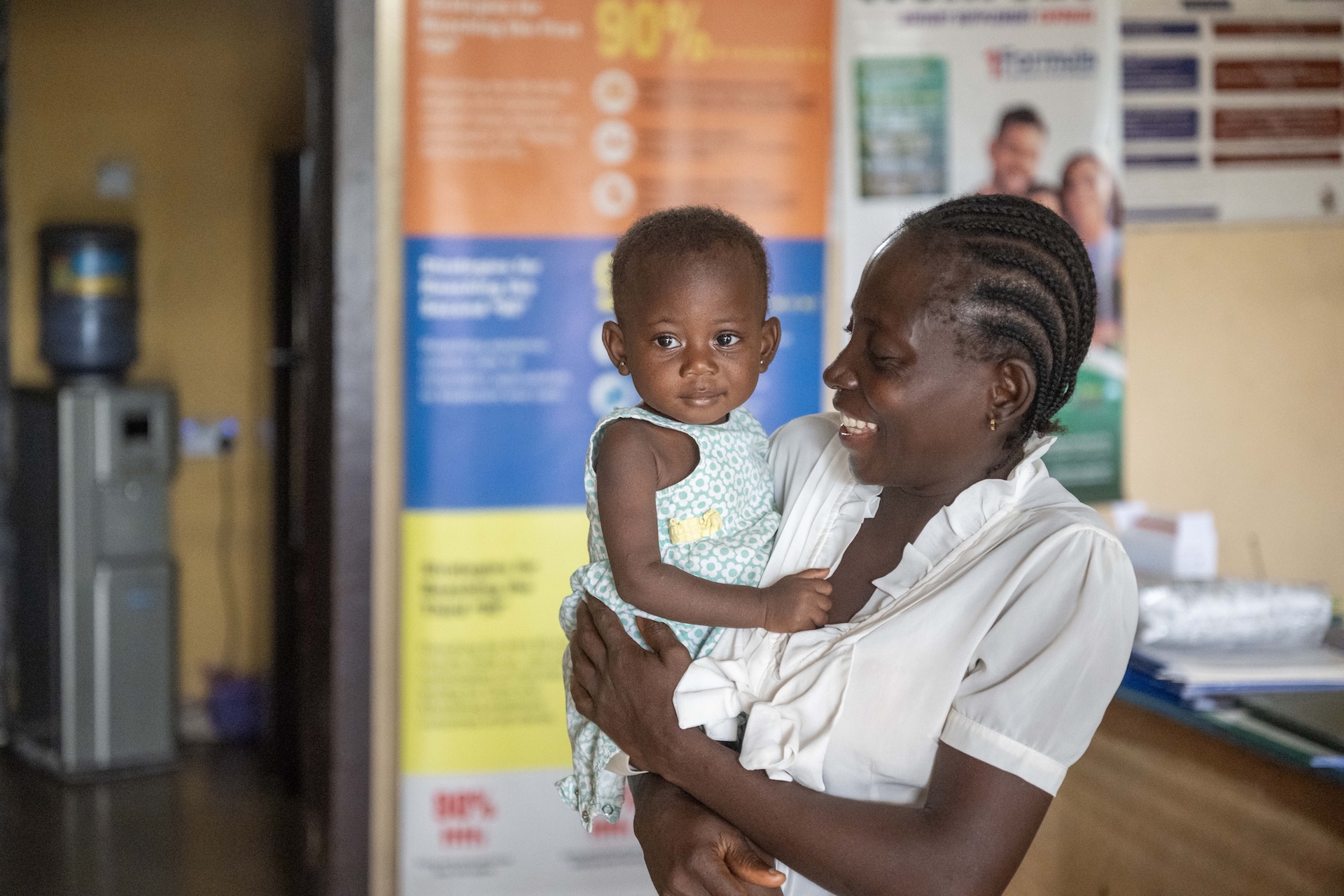
Elina is disheartened that mothers2mothers (m2m), a key partner, has closed its doors in Malawi due to lack of funding. M2m, headquartered in South Africa, employs local women living with HIV to work with other women to ensure that their children are HIV-free and healthy. Other international and regional partners have scaled back and also face possible closure.
“As for Y+, we are still not sure of our lifespan in terms of funding because now it’s just so very tight and the little funds that are available are very competitive,” she says.
“How best we can survive, how best we can integrate and how do we remodel to make sure that we are still available to support the young people.”
But Elina is hoping that 2026 will see a resurgence of resources, both from inside and outside Malawi.
“At Y+, we’ve been talking about collaboration and localization, where international organizations give funds to the local organizations to actually implement HIV services on the ground,” says Elina, “because that also increases ownership and sustainability.” She adds that “we also need to invest into new approaches, thinking differently, especially in terms of treatment.”
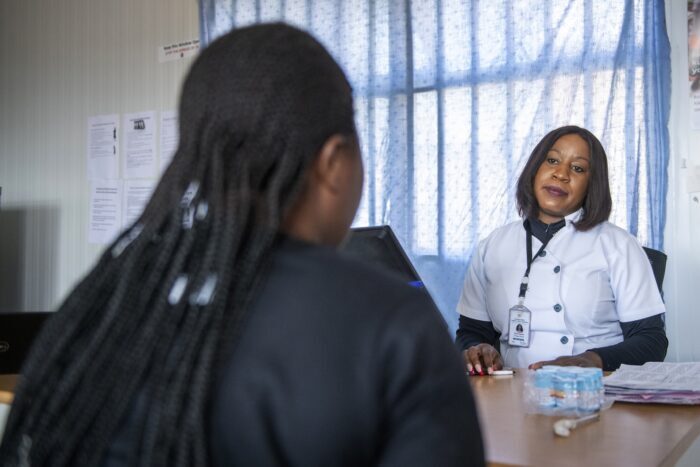
Malawi is no stranger to collaboration or innovation—born from necessity.
Although it is the fourth poorest country in the world, Malawi’s HIV response—in conjunction with international aid—has been inventive and notably successful. For example, in 2011, Malawi pioneered Option B+, a program that started HIV-positive pregnant and breastfeeding women on lifelong antiretroviral therapy (ART) immediately upon diagnosis, regardless of their CD4 count. This approach was later adopted by the World Health Organization (WHO) and rolled out globally.
Commitments like this led to Malawi’s achievement of the UNAIDS 95-95-95 goal in 2025, a milestone that marks the percentage of the population tested, on treatment, and virally suppressed. And yet a significant gap remains when it comes to children, with only 83% of children who test positive for HIV on antiretroviral therapy.
“We need to change our messaging to say that, yes, we have done well overall with 95-95-95 but also focus on what is lacking,” says Elina. “We have a lot of work ahead with children, and I think that’s an area we need to really, really fight for. We still haven’t reached sustainability,” she says. “And I see that the impact [of funding cuts] to also be a lot on pregnant mothers.”
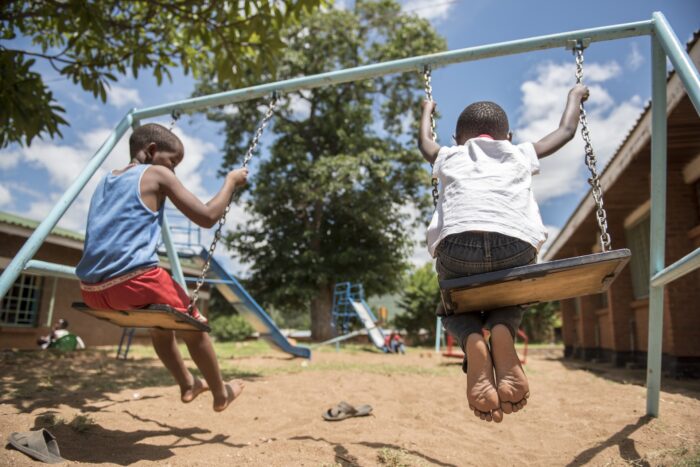
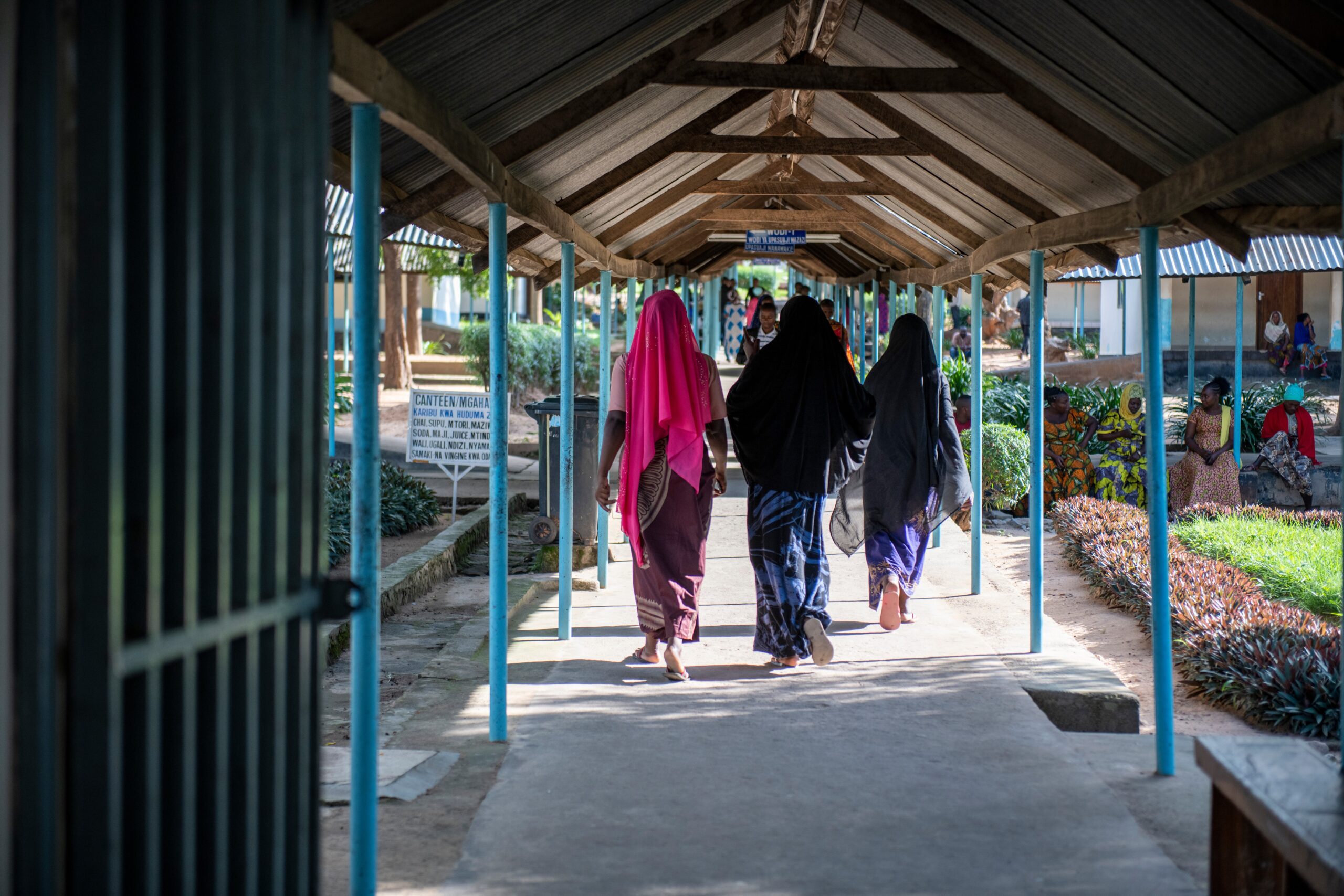
Elina says that she has seen “a lot of teens dropping out of care” because their peer clubs at health centers stopped. In some locations, a child might need to walk for three hours to reach the center. The club would provide money for transportation and feed the children when they arrived. That is no longer happening, and Elina sees young people struggling.
“We need to utilize the community structures in terms of the HIV response,” Elina says. “It shouldn’t be just the health facility and the government [responding to HIV].” Elina says that this is an all-hands-on-deck moment, and in that spirit, she calls on the business community to also join the fight.
“We’re working with the government to make sure there’s a policy that all private sectors that have a social responsibility to contribute,” she says.
On January 14, the United States and the government of Malawi signed a five-year, $936 million memorandum of understanding on bilateral health cooperation. Elina is hopeful that Y+ Malawi and other organizations that represent people living with HIV will be able to partner with the Ministry of Health to fill the gaps and avoid the worst predictions.
“I feel like if we keep up the pressure and we think really outside the box, I think maybe [the estimated] number of deaths might not happen. They’re not yet real realities. But it requires us to think,” she says.
“It’s up to everybody to make sure those do not become realities.”

Elina Mwasinga
“We have a lot of work ahead with children, and I think that’s an area we need to really, really fight for.”
Meet the Other Fighters
Story
The Volunteer
Published January 2026
Topics:
Children,
Differentiated Service Delivery,
HIV
Countries:
Uganda
Story
The Mother
Published January 2026
Topics:
HIV,
Mothers and Infants,
Prevention of Mother-to-Child Transmission (PMTCT)
Countries:
Uganda
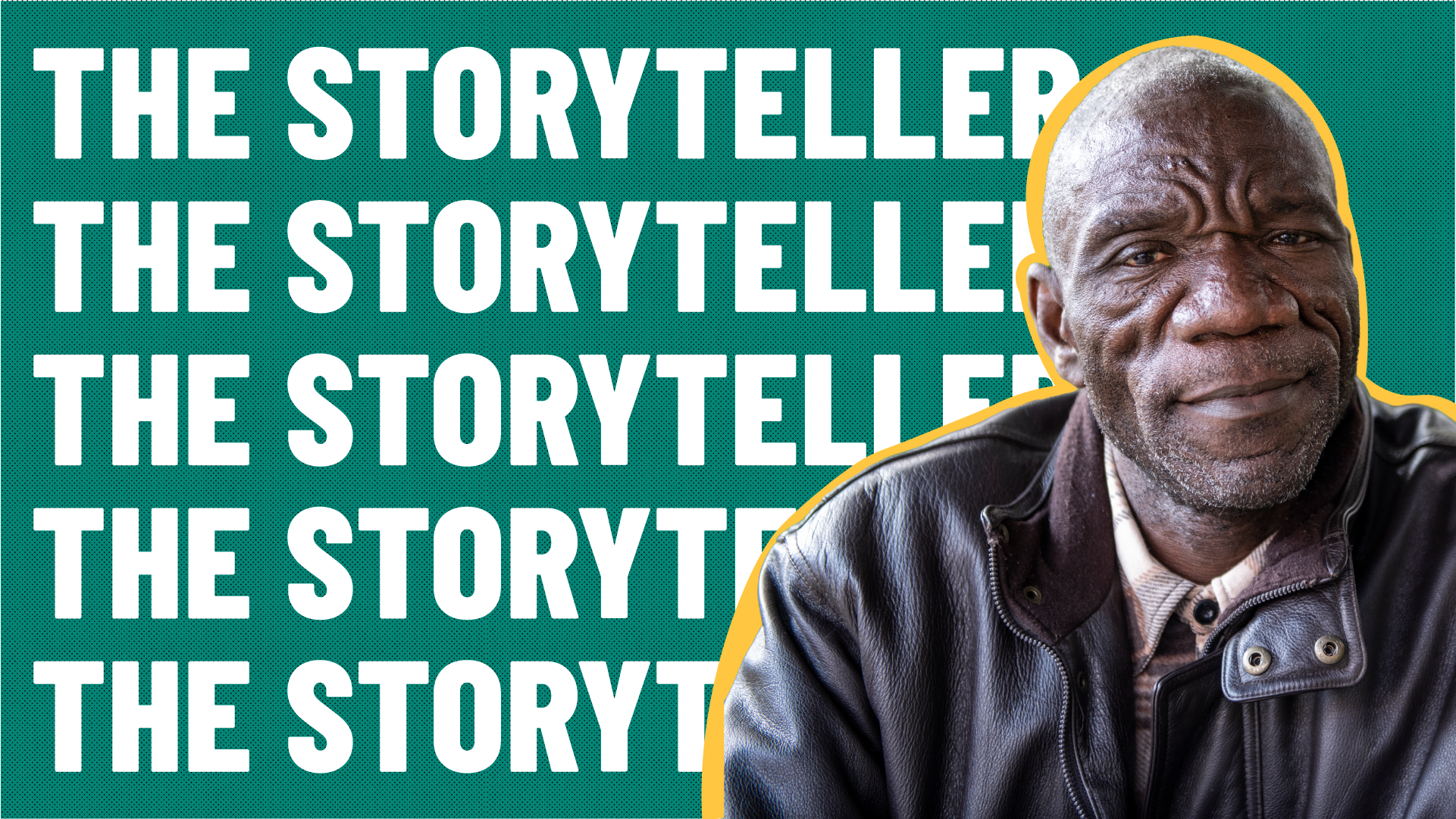
Story
The Storyteller
Published January 2026
Topics:
Advocacy,
HIV
Countries:
Malawi
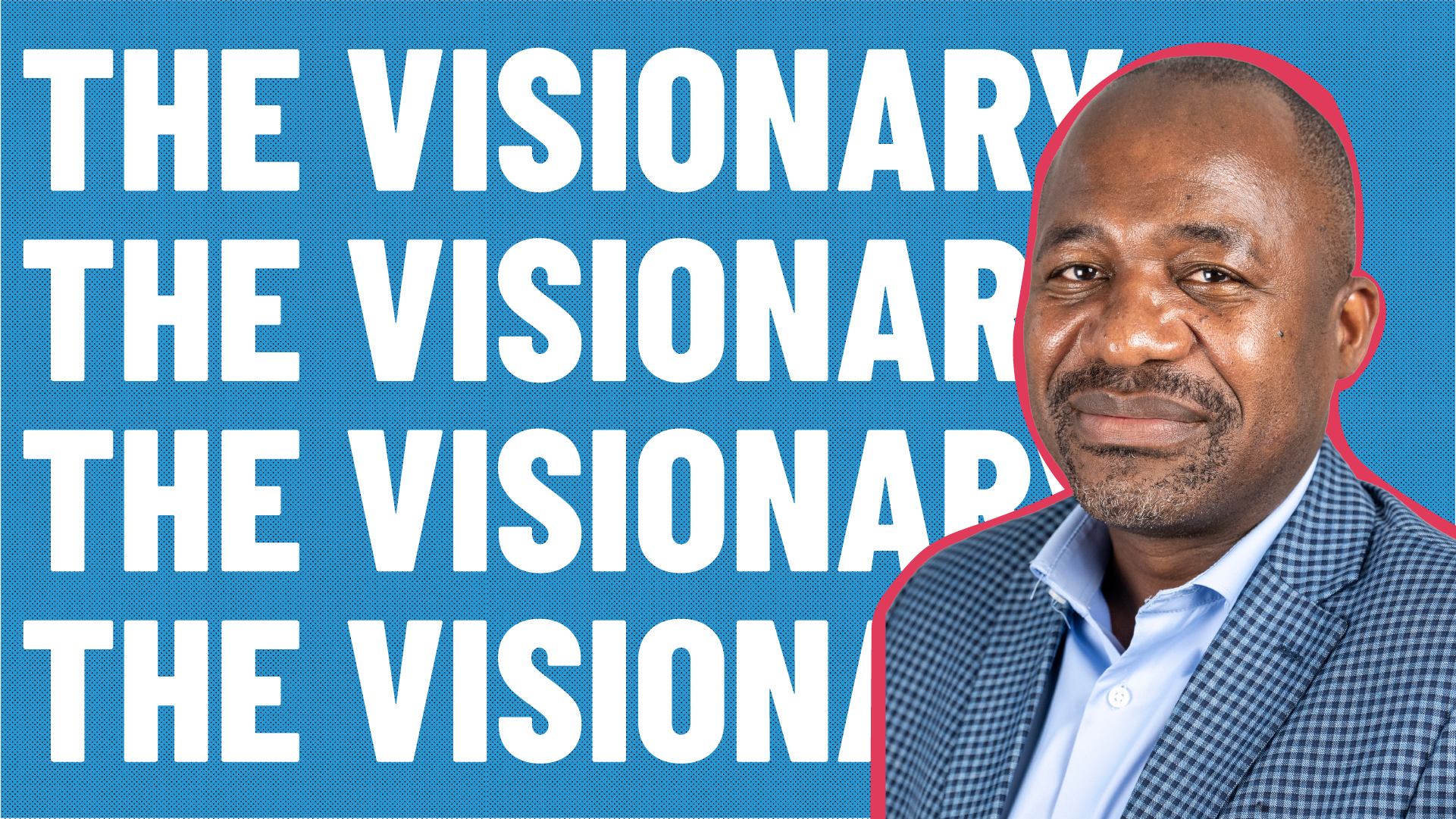
Story
The Visionary
Published January 2026
Topics:
Children,
Health System Strengthening,
HIV
Countries:
Eswatini
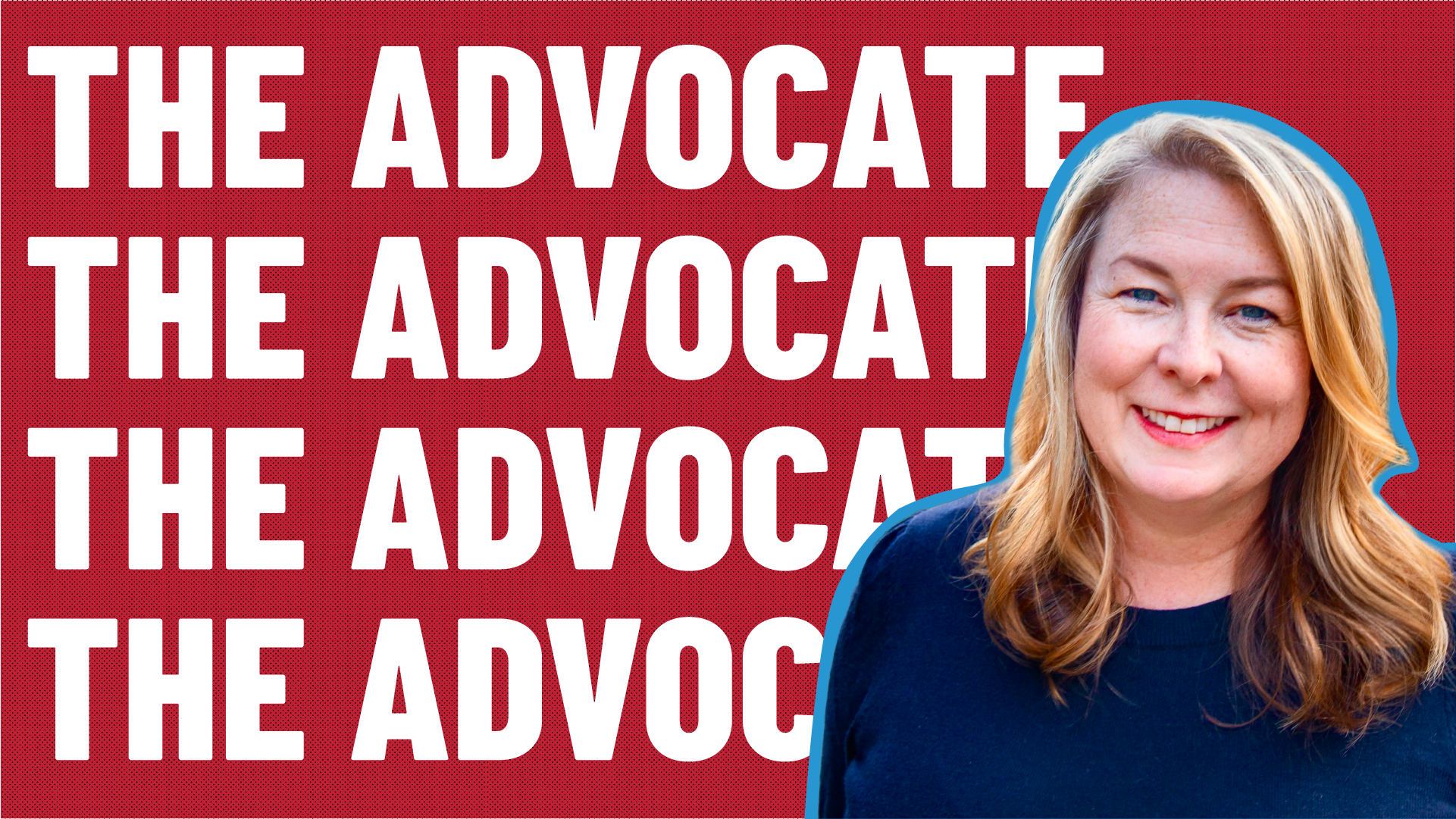
Story
The Advocate
Published January 2026
Topics:
Advocacy,
Children,
HIV
Countries:
United States

Story
The Doctor
Published January 2026
Topics:
HIV
Countries:
Cameroon