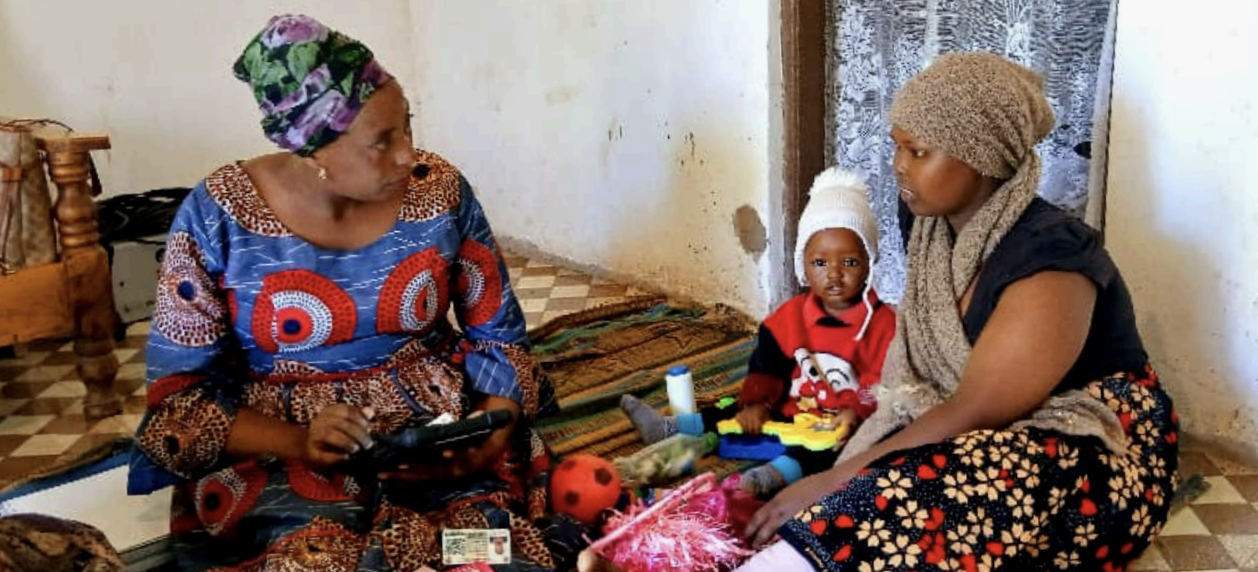
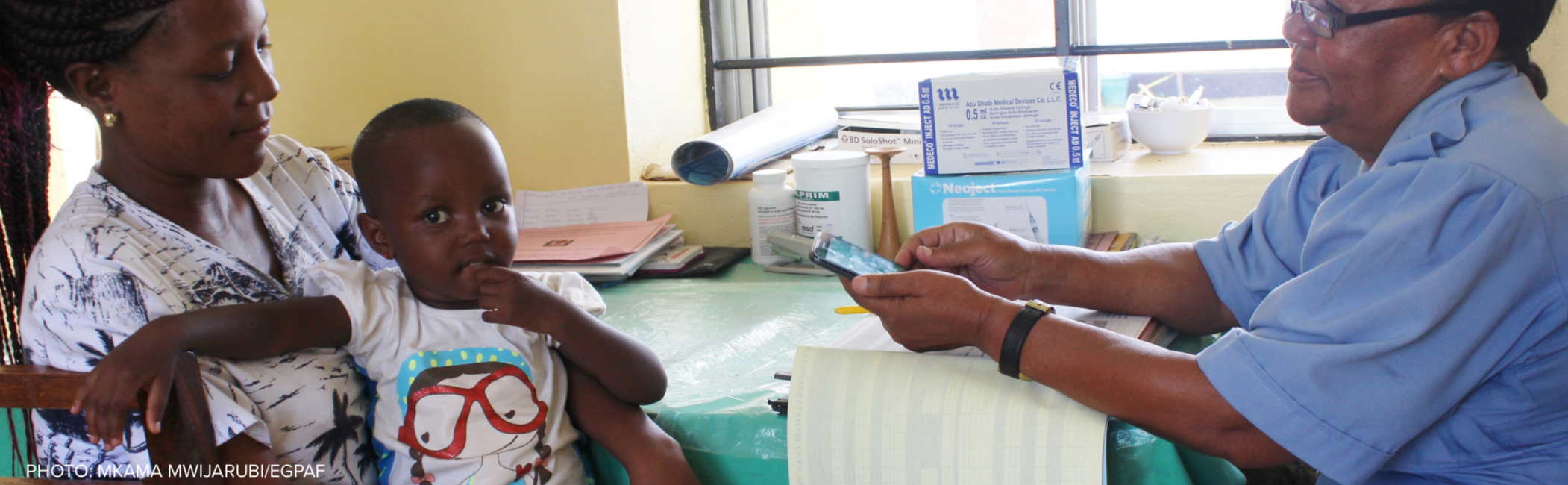
Boresha Afya is a United States Agency for International Development-funded project operating in 6 regions of Tanzania. EGPAF has implemented this project, with partners, since 2016 to improve access to and quality of comprehensive health services tailored to population needs. These health services include maternal and child health, reproductive health, family planning, TB and HIV identification, prevention and treatment services. This brief highlights outcomes of this project to date.
Explore Related Resources
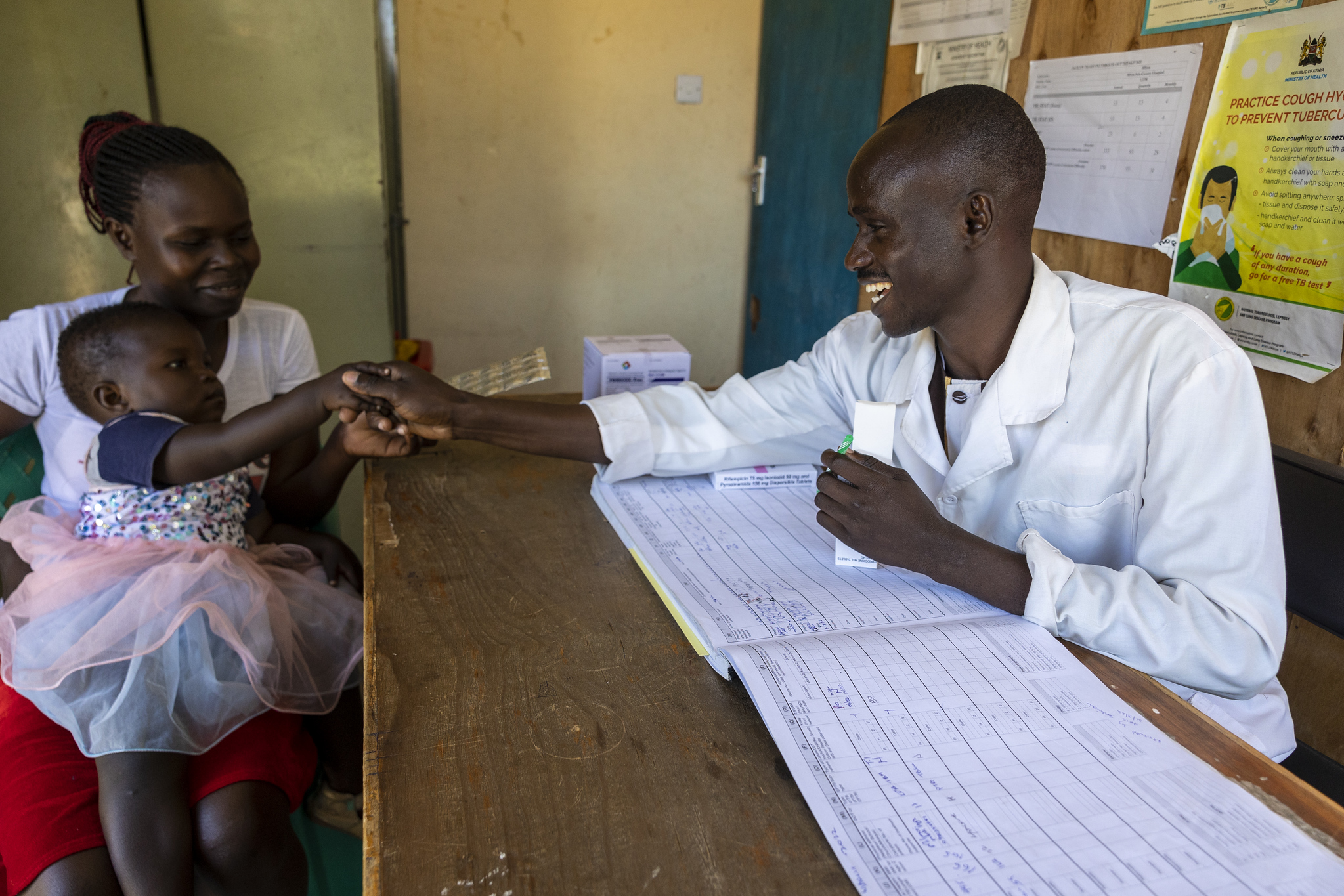
Child,Precious Ogweno accompanied by caregiver Leah Ogweno, at the TB clinic -HEI in Mbita sub county hospital, Mbita, Homabay. Photo by Kevin Ouma for EGPAF.
Journal Articles
Tuberculosis Preventive Treatment Uptake Among Patients Initiating Antiretroviral Therapy in Malawi: Children Left Behind
Published November 2025
Background: Tuberculosis preventive treatment (TPT) is recommended for people living with HIV (PLHIV) to reduce the tuberculosis (TB) incidence in regions with a high prevalence of TB. We evaluated the uptake and completion of TPT among newly initiated antiretroviral therapy (ART) patients in a programme setting in Malawi. Objectives: To describe TPT initiation and completion rates, and […]
View Resource
Topics:
Pediatric Tuberculosis (TB),
Tuberculosis (TB)
Countries:
Malawi
Project Brief
Integrating Nurturing Care for Early Childhood Development into Primary Health Care: The Tanzania Experience
Published July 2025
Overview More than 275 million children in low- and middle-income countries are at risk of suboptimal development, including over 66% of children in sub-Saharan Africa. In Tanzania 43% of children are at high risk of not achieving their full potential for growth and development. Risk factors for suboptimal development include poverty, nutritional deficiencies, maternal depression, […]
View Resource
Countries:
Tanzania
Journal Articles
An integrated, multidisciplinary management team intervention to improve patient‑centeredness, HIV, and maternal‑child outcomes in Lesotho
Published December 2024
Background Reducing perinatal HIV transmission and optimizing maternal and child health (MCH) outcomes in high HIV prevalence settings is an urgent, but complex, priority. Extant interventions over-emphasize individual-level provider and patient behaviors, and neglect critical health systems-level changes. The ‘Integrated Management Team to Improve Maternal-Child Outcomes (IMPROVE)’ study implemented a three-part, patient-centered, health-systems- level intervention […]
View Resource
Topics:
Maternal and Child Health
Countries:
Lesotho