In the Spotlight

Story
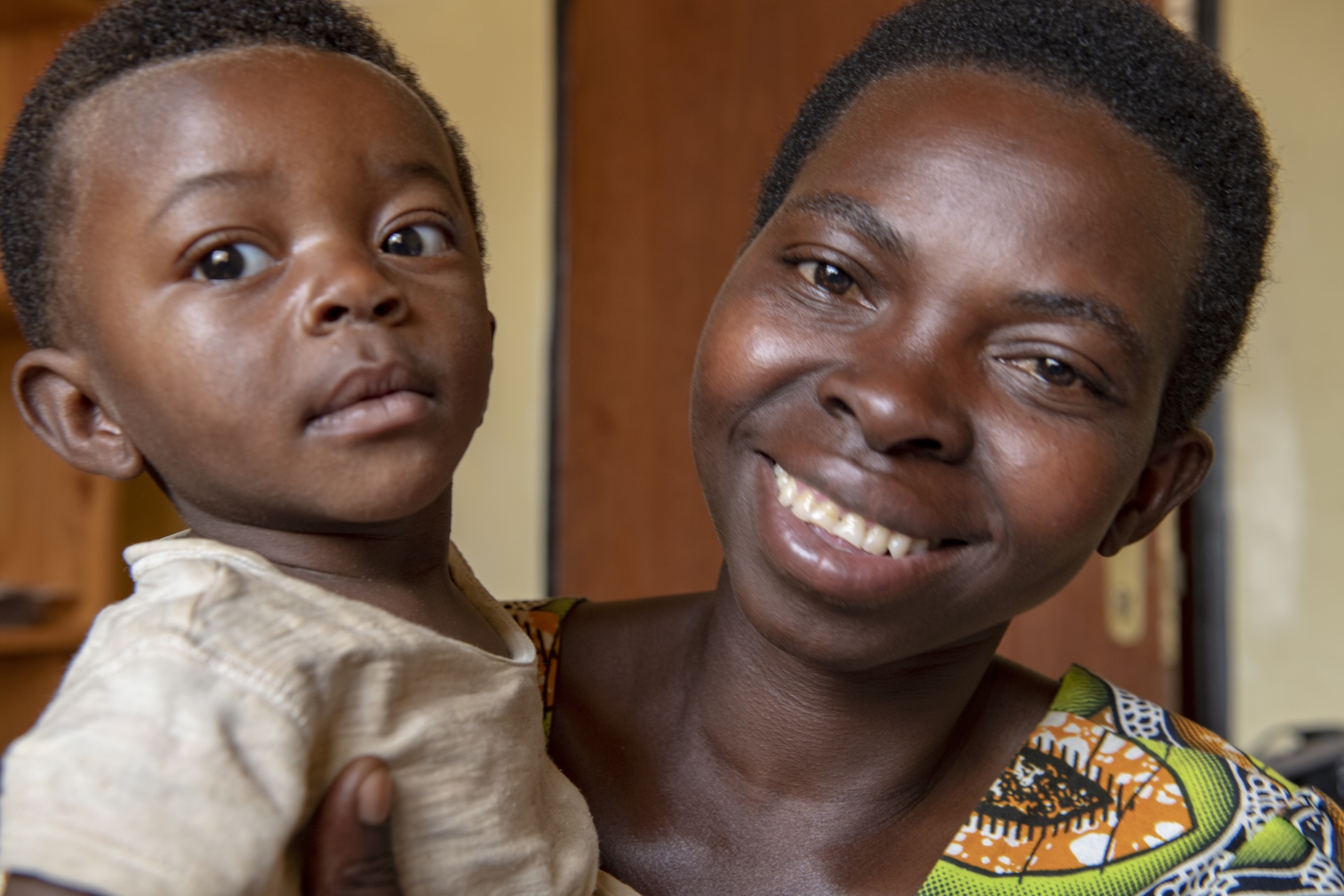
My Boys Represent Generation Zero
Published March 2026
Topics:
General
Resource
Protecting Lives, Sustaining Progress
Published March 2026
Topics:
Advocacy,
Children,
Global Health Security,
Health System Strengthening,
HIV,
Maternal and Child Health,
Mothers and Infants,
Women
Story
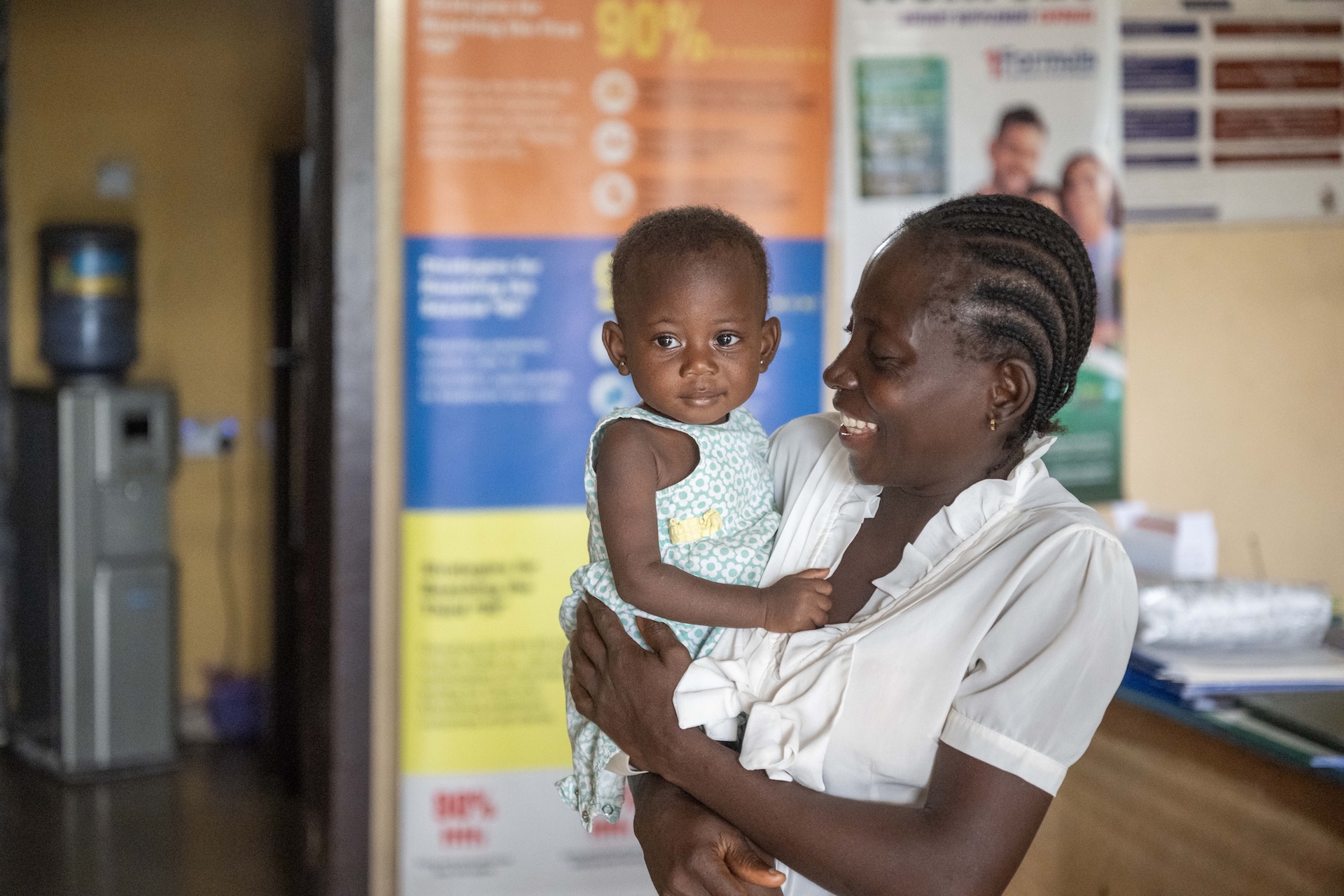
Babies of Hope
Published March 2026
Topics:
Children,
Mothers and Infants,
Pediatric HIV,
Prevention of Mother-to-Child Transmission (PMTCT)
Countries:
Nigeria
Latest
The most recent stories, resources, press releases, and media coverage from EGPAF.
Story
My Boys Represent Generation Zero
Published March 2026
Topics:
General
Resource
Protecting Lives, Sustaining Progress
Published March 2026
Topics:
Advocacy,
Children,
Global Health Security,
Health System Strengthening,
HIV,
Maternal and Child Health,
Mothers and Infants,
Women

News
Into Africa Podcast – Pulse Check: The New U.S.-Africa Health Deals
Published March 2026
Topics:
Global Health Security,
Health System Strengthening
Story
Babies of Hope
Published March 2026
Topics:
Children,
Mothers and Infants,
Pediatric HIV,
Prevention of Mother-to-Child Transmission (PMTCT)
Countries:
Nigeria
Story
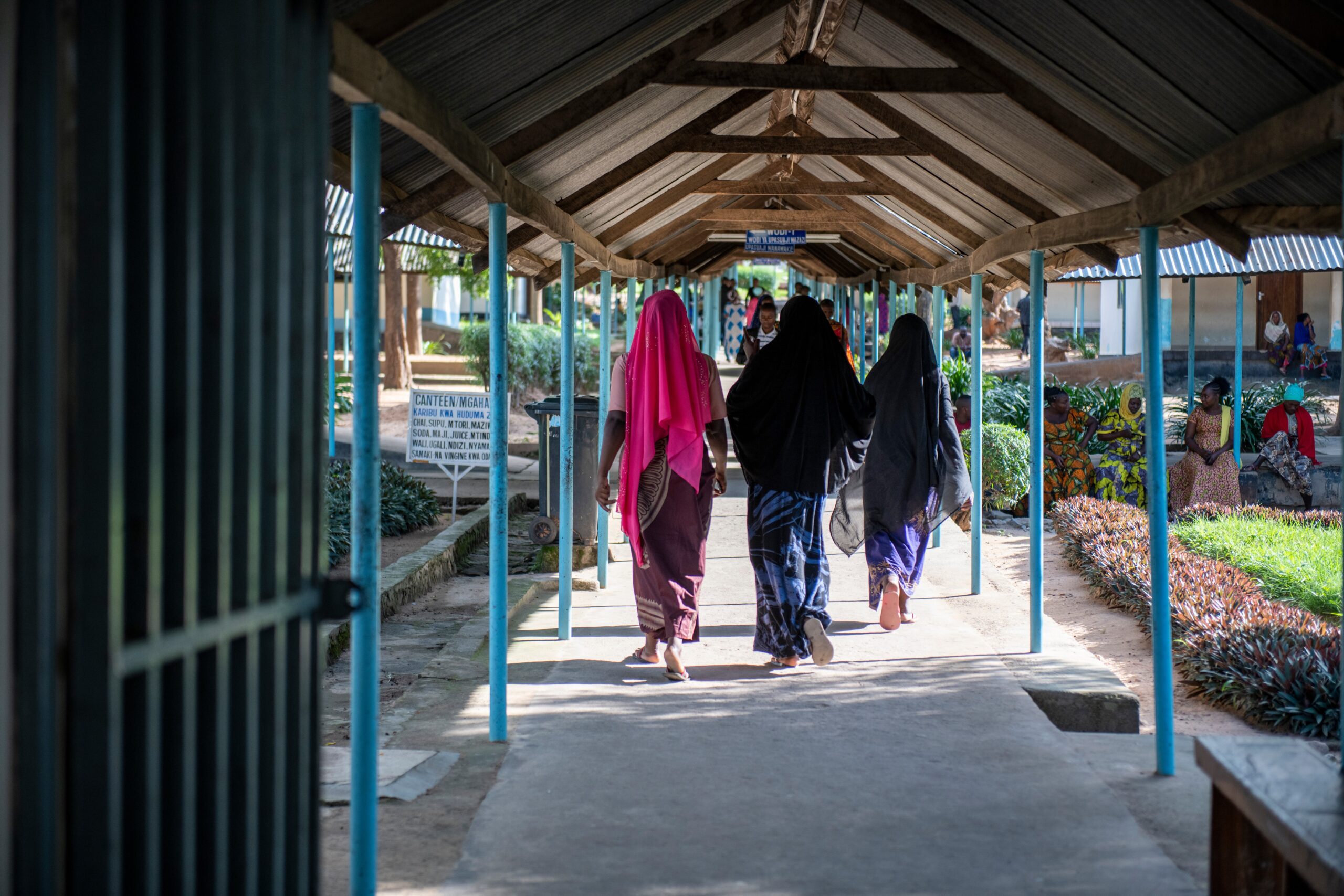
Why Sexual and Reproductive Health and Rights Matter
Published March 2026
Topics:
Advocacy,
Maternal and Child Health,
Women

News
Doris Macharia Elected President of TB Alliance’s Global TB Stakeholders, Joins Board of Directors
Published March 2026
Topics:
Pediatric Tuberculosis (TB),
Tuberculosis (TB)
Countries:
United States

News
EGPAF Welcomes Kara Saleeby as Director of Public Policy & Advocacy
Published February 2026
Topics:
Advocacy,
General
Countries:
United States

Story
5 Questions with Dr. Lynne Mofenson
Published February 2026
Topics:
General
Countries:
United States
Story
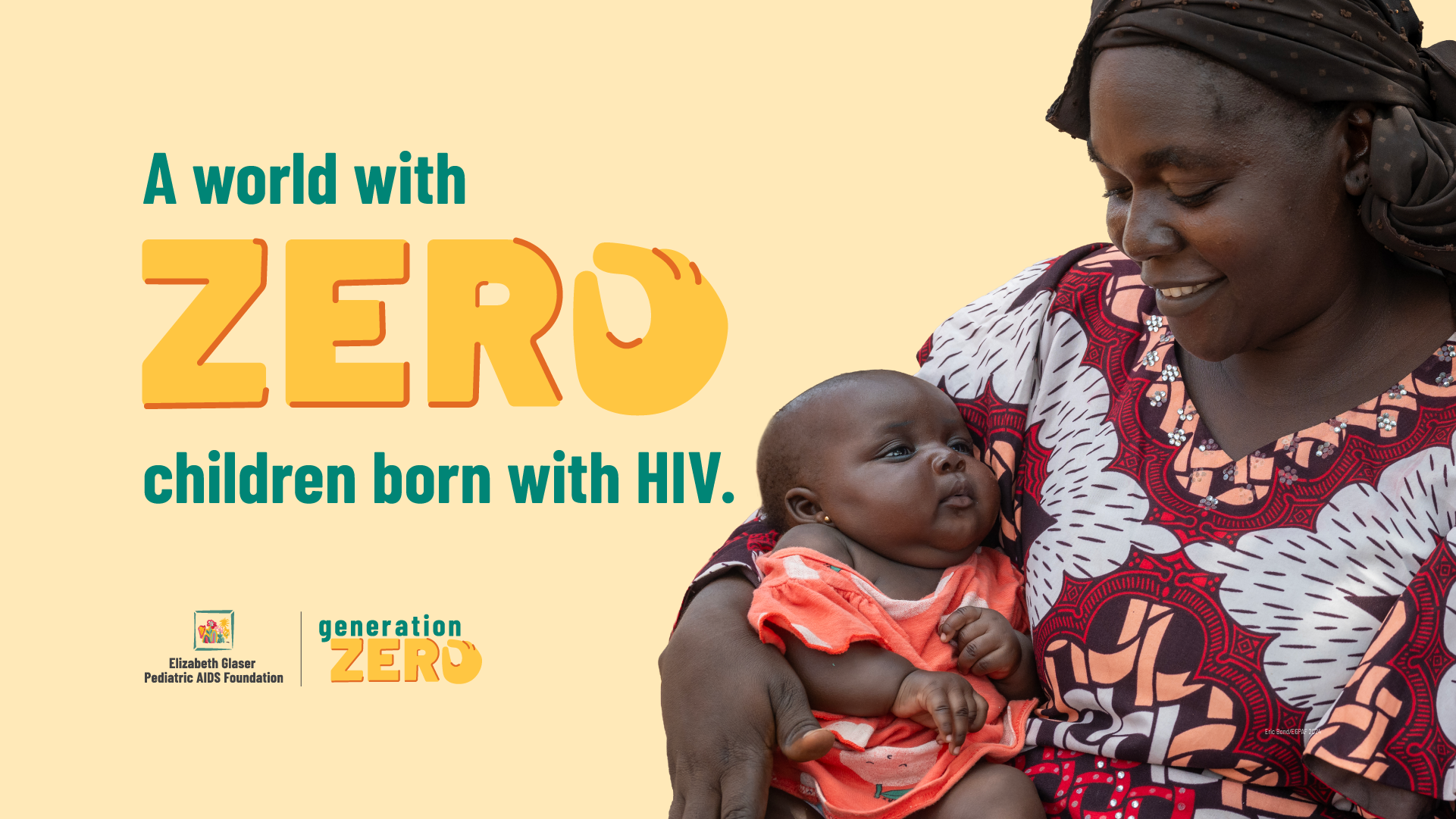
Generation Zero
Published February 2026
Topics:
General
Let’s End Pediatric HIV
Generation Zero
In the News
Explore EGPAF’s most recent press releases, media mentions, and interviews with our experts. Follow along as we elevate critical conversations in global health. To arrange an interview or to learn more, email our Media Director, Hayde Adams, at hadams@pedaids.org.
News
Into Africa Podcast – Pulse Check: The New U.S.-Africa Health Deals
Published March 2026
Topics:
Global Health Security,
Health System Strengthening
News
Doris Macharia Elected President of TB Alliance’s Global TB Stakeholders, Joins Board of Directors
Published March 2026
Topics:
Pediatric Tuberculosis (TB),
Tuberculosis (TB)
Countries:
United States
News
EGPAF Welcomes Kara Saleeby as Director of Public Policy & Advocacy
Published February 2026
Topics:
Advocacy,
General
Countries:
United States

Beyond+ Podcast
Beyond+ shares voices and stories of individuals around the world living with or affected by HIV.
More than 40 years after the emergence of the HIV pandemic, multiple generations are growing up and growing older with HIV—loving and striving and coping and thriving.
We want to know, what is beyond an HIV diagnosis today? What is beyond the clinic? What is beyond adolescence? What is beyond loss? What is beyond graduation? What takes you beyond this moment?
Ideas in Your Inbox
With your help, we can and will achieve an AIDS-free generation. Stay up-to-date on the progress we’re making and get the latest EGPAF ideas and impact in your inbox.