On Sunday July 17, 2016, my girlfriend Kerry and I touched down in Durban, South Africa. We were greeted with smiles, an amazingly vibrant community, and the familiar sound of waves crashing on the shoreline. A good night’s sleep was immensely needed by both of us as the next morning kicked off the 2016 International AIDS Conference (#AIDS2016) and the week ahead promised to be full of activity! Keep reading

The Elizabeth Glaser Pediatric AIDS Foundation (EGPAF), with funding from ViiV Healthcare, launched a new program on June 28, 2016. A one-year, renewable award from ViiV Healthcare’s Positive Action for Adolescents Fund, will allow EGPAF-Kenya to implement the program in 50 sites in Kenya’s Homa Bay County. The Red Carpet program, targets adolescents with HIV to help curb rising infections and AIDS-related deaths among the group; it is geared towards improving access and uptake of HIV testing and counseling, as well as retention to care and treatment. Keep reading
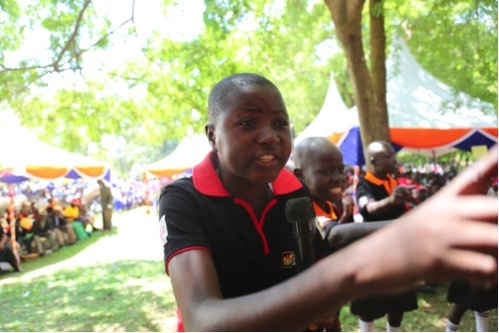
It’s 107 degrees Fahrenheit at midday in a village outside of Lodwar, Kenya. Goats and children dash across the sand, while most adults have retreated to the sensible shade of their manyattas, traditional family homes built of sticks, thatch, and mud. Two women in long white coats, Esther Kapoko and Anna Akeru, stride through the village. Keep reading

The world came together last week at the United Nations High-Level Meeting on Ending AIDS to measure how far we have come and chart a way forward to the end of AIDS by 2030. We’ve come very far, very fast, particularly in reducing new HIV infections in children. EGPAF's Chip Lyons discusses next steps toward and AIDS-free generation. Keep reading

EGPAF’s longtime partner, Jewelers for Children, announced its 2016 commitment to an AIDS-free generation with a generous $700,000 donation to help EGPAF reach more women, children and families with lifesaving programs. Keep reading
Kat, the 2016 UP THE FIGHT Top Fundraiser, just finished her first year at the University of California Los Angeles. Before she heads to Zimbabwe with EGPAF in a few weeks, she took a minute to introduce herself and to explain her love for Africa, the Pediatric AIDS Coalition and Dance Marathon. Keep reading

EGPAF partners with the Media Institute of Southern Africa to support the “Pediatric and Adolescent HIV” category as a way to inspire journalists to concentrate on important topics such as pediatric HIV. This year's winners assisted in spreading awareness of the epidemic in more ways than one. Keep reading

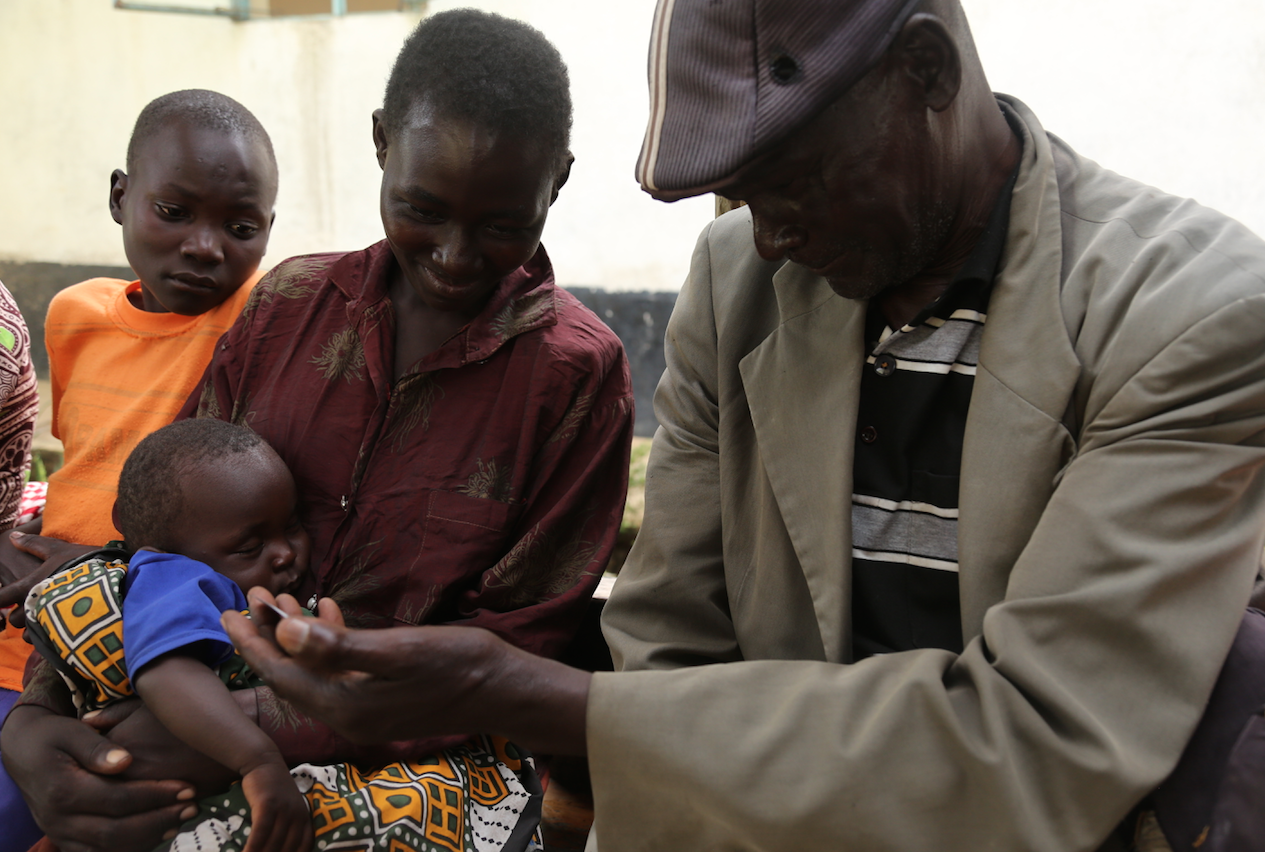
Musa Oloo, sits across the bench at Magina Health Center in Homa Bay County, Kenya, surrounded by women and nursing children. He is 72 years old; many years ago, a car accident left him an amputee. Amid the chatter of the women, he sits calmly next to his wife. He stands out as the only man attending a support group for mothers who are HIV-positive– Keep reading