Facing Stigma Together in Homabay
Most of the children are orphans—with one or both parents having perished from AIDS-related causes. One in four persons in this fishing community on the shore of Lake Victoria is living with HIV. Keep reading
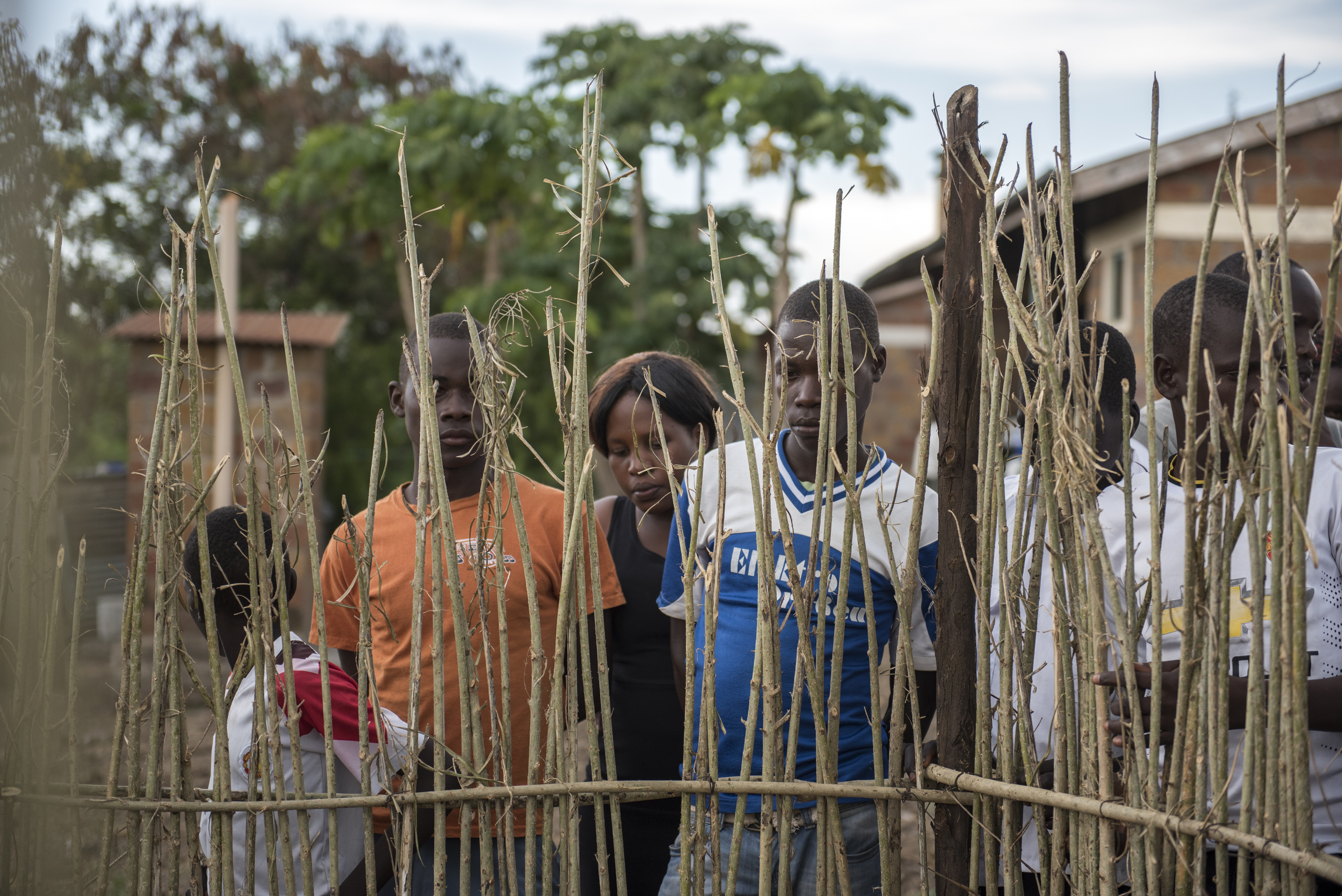

Most of the children are orphans—with one or both parents having perished from AIDS-related causes. One in four persons in this fishing community on the shore of Lake Victoria is living with HIV. Keep reading
February 20 is designated as the World Day of Social Justice. Gender equality is an important lens through which to view social justice. This is particularly true when it comes to adolescent girls, who are less likely to complete their education and more likely to become infected with HIV than are adolescent boys. Mama County Says, a program in western Kenya, addresses both of these issues. Keep reading

Catherine Sie Akoua Kouassi, Community Linkage Advisor, has been working with the Elizabeth Glaser Pediatrics Foundation in Cote d’Ivoire since 2006. She has been at the forefront of the epidemic in her country well before her employment with EGPAF. Cathy has tirelessly demonstrated her passion for ending AIDS and is well respected in the field by her peers. She has been a strong advocate, designer and supporter of Cote d’Ivoire’s community strategies efforts. Keep reading

Stella is a 32-year-old mother living in Chundu village, Zimbabwe. She has three children, aged 9, 5, and 1. Stella delivered all of her children at the antenatal care clinic at Hurungwe District Hospital. Now she volunteers there as a peer facilitator. Keep reading

Emma Dzonzi Nyirenda is an HIV-positive peer educator… Keep reading

Immaculate Akinyi Onditi, an HIV-positive mother of three HIV-free children refuses to be stigmatized by the disease -- choosing instead to inspire others. Keep reading

EGPAF Ambassador, Ashley Rose Murphy, recently sat down with SELF Magazine to talk about what life has been like growing up with HIV. Keep reading

Six young boys lounge in the shade of an acacia grove that serves as the entrance to Napuu, a village on the outskirts of Lodwar, Kenya. In the distance, dust rises behind a lorry trundling across the sand. As it nears, the boys excitedly jump up and run to the village, carrying news of the arrival of the Beyond Zero mobile clinic. Within the hour, their mothers will return with them for vaccinations. Keep reading
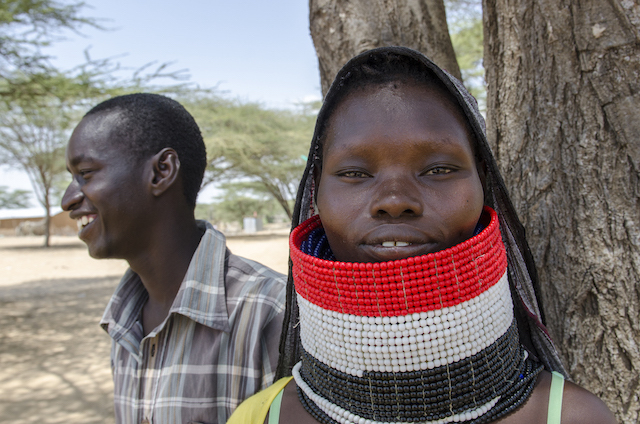
This week we're reflecting on all the work that we've done to end AIDS in children in 2016, and we're looking forward to continuing the work in 2017. We've selected some of our favorite blogs from the year, so we hope you'll check it out and enjoy. Happy New Year from all of us at EGPAF! Keep reading