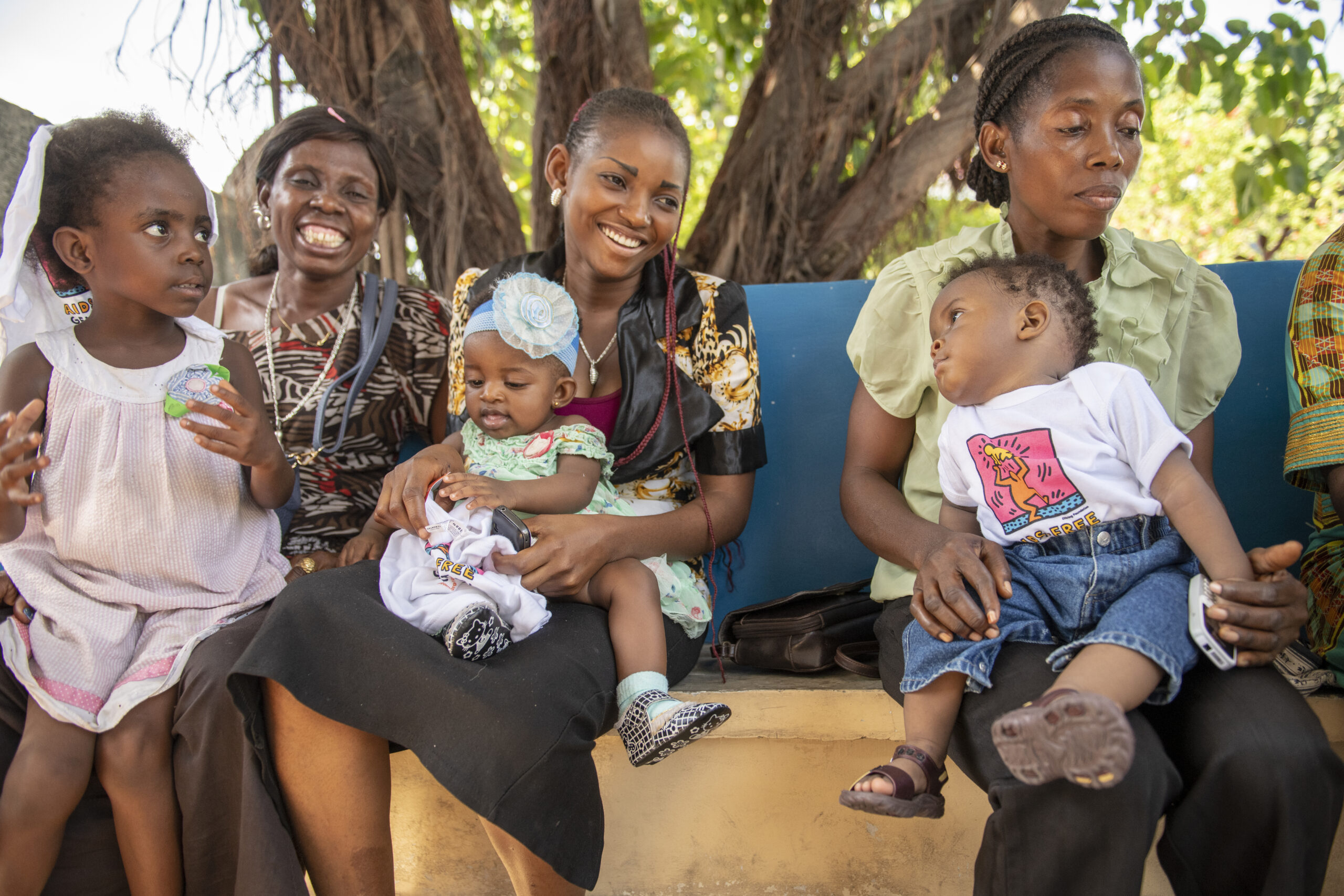
The global HIV response is leaving children and adolescents behind. Because of a paucity of studies on treatment and care models for these age groups, there are gaps in our understanding of how best to implement services to improve their health outcomes. Without this evidence, policymakers are left to extrapolate from adult studies, which may not be appropriate, and can lead to inefficiencies in service delivery, hampered uptake, and ineffective mechanisms to support optimal outcomes. Implementation science research seeks to investigate how interventions known to be efficacious in study settings are, or are not, routinely implemented within real-world programmes. Effective implementation science research must be a collaborative effort between government, funding agencies, investigators, and implementers, each playing a key role. Successful implementation science research in children and adolescents requires clearer policies about age of consent for services and research that conform to ethical standards but allow for rational modifications. Implementation research in these age groups also necessitates age-appropriate consultation and engagement of children, adolescents, and their caregivers. Finally, resource, systems, technology, and training must be prioritized to improve the availability and quality of age-/sex-disaggregated data. Implementation science has a clear role to play in facilitating understanding of how the multiple complex barriers to HIV services for children and adolescents prevent effective interventions from reaching more children and adolescents living with HIV, and is well positioned to redress gaps in the HIV response for these age groups. This is truer now more than ever, with urgent and ambitious 2020 global targets on the horizon and insufficient progress in these age groups to date.