Lesotho is one of the most stunningly beautiful countries in the world. Green grasslands and clear rivers look up on stoney mountains and an expansive blue sky. This nation of 2.3 million people takes pride in its unique heritage as a land separate from South Africa, which surrounds it.
But, as is too often the case in such picturesque places, life can be hard in Lesotho, due to a mix of geographic, economic, and social factors.
And hardships fall disproportionately on the most vulnerable. Despite monumental gains in HIV control over the past 25 years, the leading cause of death of adolescent girls and young women is still HIV-related.
With these odds, the joy of motherhood is accompanied by a measure of anxiety: “Will my child be OK? Will I be OK?”
In recent years, young women in communities across the country have been finding safety in numbers.
A Model Built on Connection and Care
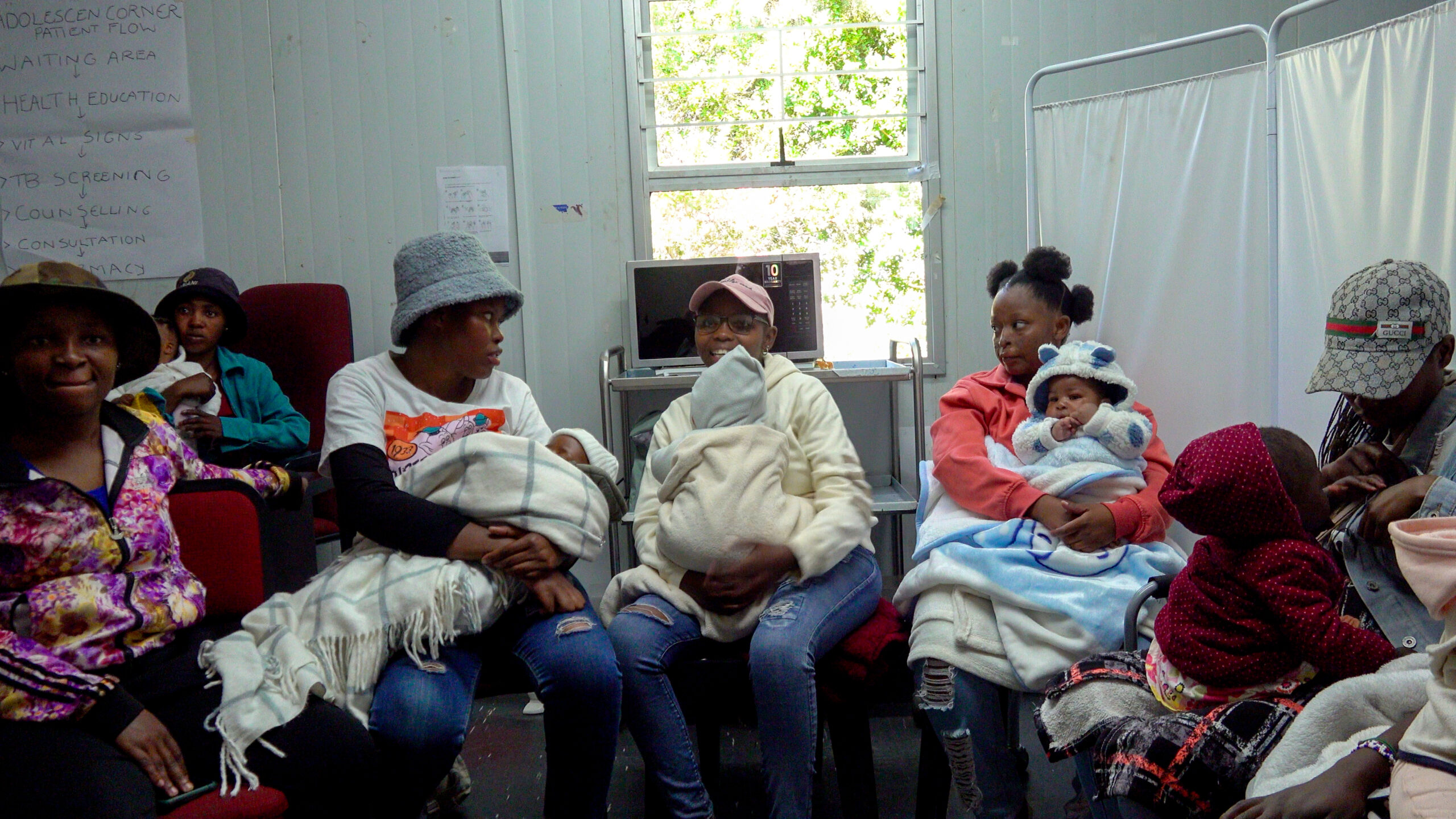
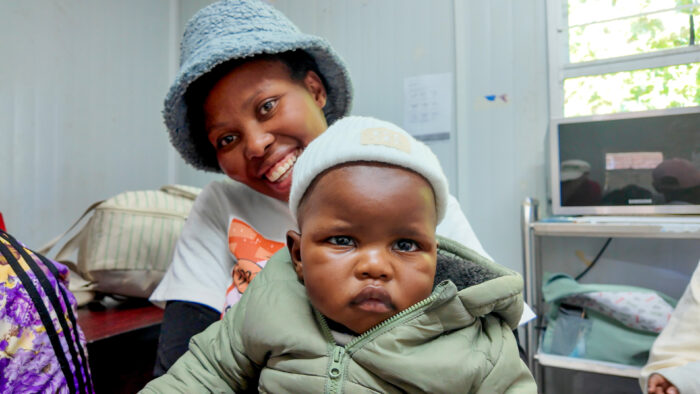
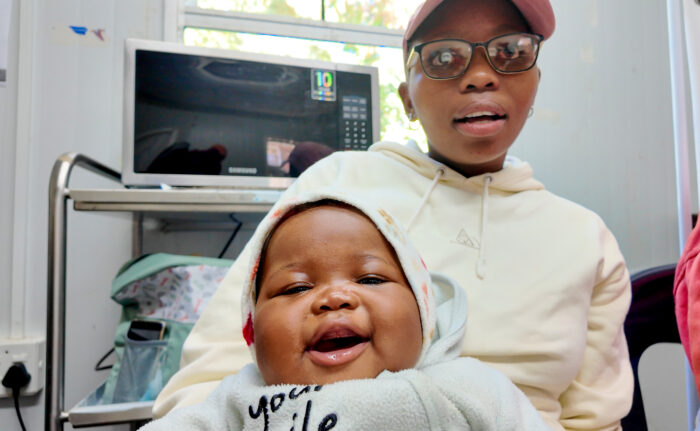
On a bright morning at the Berea Hospital compound in northern Lesotho, a group of young mothers gathered with their babies in a quiet, pine-shaded corner for peer support and a clinical check-up. The babies appeared healthy, well-fed, and highly active—crawling, chewing on their fists, and vocalizing loudly.
This support has incorporated principles of Group ANC, an innovative antenatal care approach designed specifically for adolescent girls and young women living with HIV who are experiencing motherhood for the first time. They are grouped with other mothers at the same stage of pregnancy and stay with that group until delivery. They receive special doses of antiretroviral medication to prevent transmitting HIV to their children. Within Group ANC clinical care, each mother receives individual assessments—blood pressure, weight, fetal growth—conducted within the group setting.
Structured participatory learning sessions are provided on nutrition, birth preparedness, danger signs, newborn care, and breastfeeding. And they are supported in accepting their HIV status, when and how to disclose that status to others, and the transition into adulthood. This allows the young adolescent mothers to share experiences, challenges, and coping strategies and to build social networks, which is particularly valuable in rural or resource-limited settings.
Learning, Healing, and Growing Together
Now that their babies have been delivered, they receive continuing support so that their viral loads remain low, and they continue to prevent HIV transmission. They want to see their wiggly babies grow up strong and healthy.
Each mother-baby pair gets an appointment with a nurse who weighs and measures the young one, checks overall health, and vaccinates according to schedule. Every few months, each child is tested for HIV to ensure that the virus has not been transmitted through breastfeeding. At 2 years, the child who tests negative is declared HIV-free. A psychologist sits in and makes time for one-on-one counseling with any mother who needs it.
While this scene at the clinic is a picture of health, Nkhebesoa Nqosa, a psychologist with the Elizabeth Glaser Pediatric AIDS Foundation (EGPAF), explains that she has to consider the conditions away from the clinic. These young women represent the first generation to come out of the worst of the HIV pandemic, when a quarter of the Lesotho population had acquired HIV and funerals for young adults were regular events in every community.
“Many of these girls grew up in households where a parent had died because of HIV,” says Nkhebesoa. “Some grew up in child-headed homes without anyone looking after them, and they were vulnerable [to early sexual debut]. There are certain challenges regarding mental health that arise because they have lost parents or their parents have lost jobs and they cannot continue with their studies. Some wished to have had children later in their lives, but unfortunately the vulnerability led them to have their children right now.”
On top of all of these pressures, these mothers need to regulate their own health and the health of their babies. They must make sure to adhere to their antiretroviral medication and bring their babies into the hospital regularly.
The peer support group is designed to build solidarity from the solitary lives and change the narrative.
“These young mothers get to share their different stories to learn from each other,” says Nkhebesoa. “So whenever a young mother is facing a certain challenge, she would have heard about this particular challenge in the adolescence group, and then she’ll be able to tackle it.”
Finding Strength in Shared Experience
The women express a common theme: this program makes them feel worthwhile.
“I love being a member of this group,” says Ntsiuoa, 23, flashing a sunny smile, “because I learn to take care of myself as a youth living with HIV. I also learned how to take care of my child and other people surrounding me—my family and my partner.
“This group has helped me learn how to raise my child and we share my challenges as a young mother,” says Thato Khampepe, 24, holding her chubby 6-month-old son in her arms.
“They teach us how to be resilient,” adds Lerato Tsikoane, 24, “to trust us to know that HIV does not define us, that we can live with HIV.”
With shifts and cuts in global HIV funding for HIV, the future of programs like this is in doubt.
“In a country with high levels of poverty and unemployment, birthing an HIV-free generation requires support beyond ARVs,” says Nkhebesoa. “If it wasn’t for this program, some of these young women would not have had the faith to continue with treatment. It helps knowing that there is someone you can cry to, someone who’s willing to give a helping hand.”
Worldwide, children already significantly lag behind adults when it comes to HIV testing and treatment.
“Only 67% of children living with HIV have been tested, and only 54% of those children are on treatment,” says Roland van de Ven, EGPAF’s director of Technical Excellence. “My concern is that there is a gap in terms of pregnant women accessing antiretroviral medication.
“For me, the health of a mother and child is where the health of a nation starts. You want the mother to have a safe pregnancy and a healthy baby, free of HIV, free of other diseases—because the first 1,000 days of a child’s life will determine the future of that child. And children are the future of any country.”
“They teach us how to be resilient…to trust us to know that HIV does not define us, that we can live with HIV.”
Lerato Tsikoane, 24