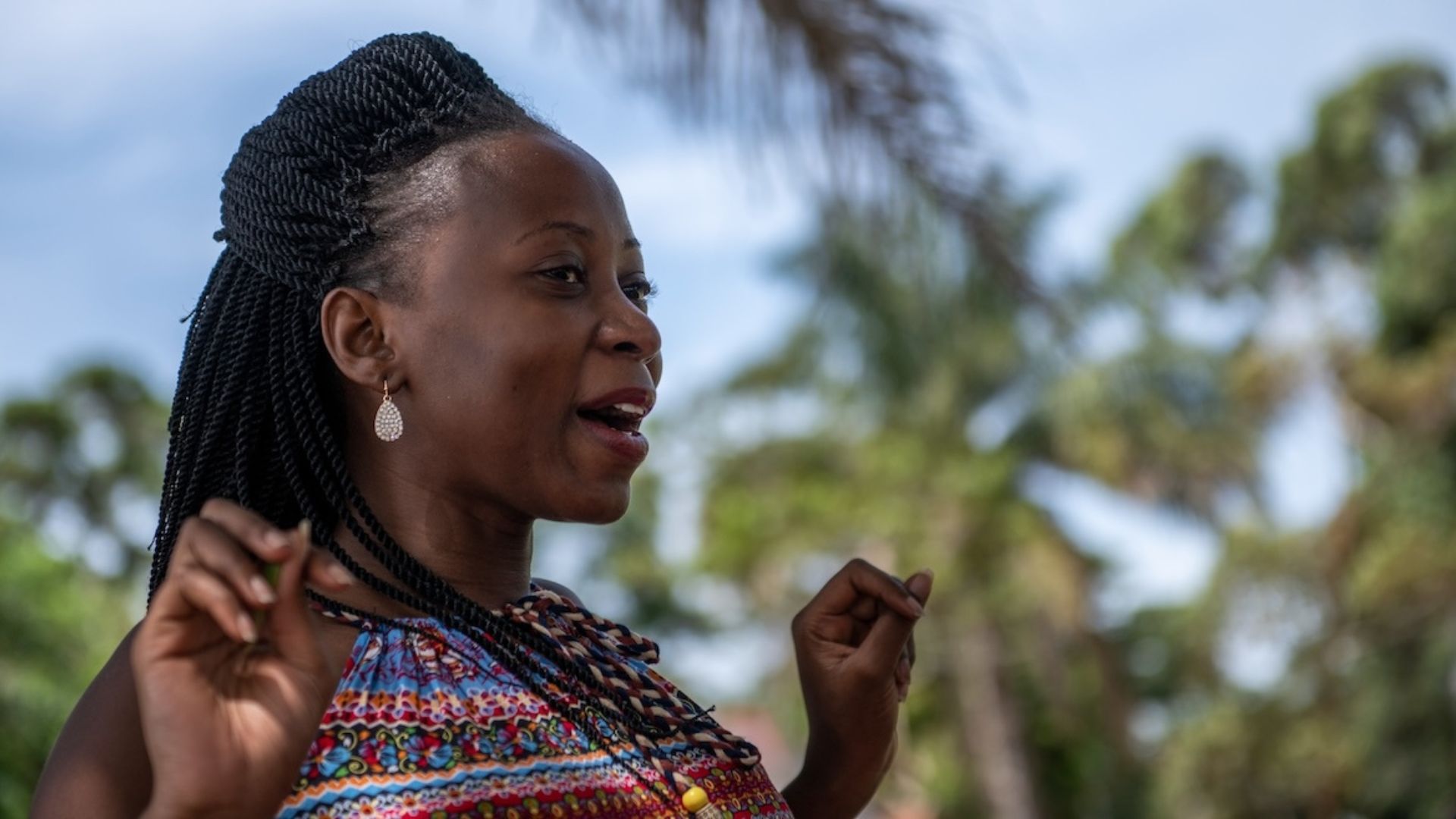
Josephine Nabukenya was born in 1993 in Kampala, Uganda to an HIV-positive mother. Josephine learned about her HIV status in 2001, at the age of 8, when her mother was close to death and had written out a will. HIV treatment was not available, and Josephine’s mother considered the two of them to be condemned to death.
Through a special emergency infusion of ARVs at Makereke University, Josephine’s mother did survive that bout with death. But they still did not have access to regular treatment, so they both continued to battle illnesses and wait for the opportunistic infection that would eventually kill them.
Then in 2004, the President’s Emergency Plan for AIDS Relief came to Uganda as the first country in its rollout. Suddenly, there was hope. Josephine and her mother are both alive today thanks to that intervention.
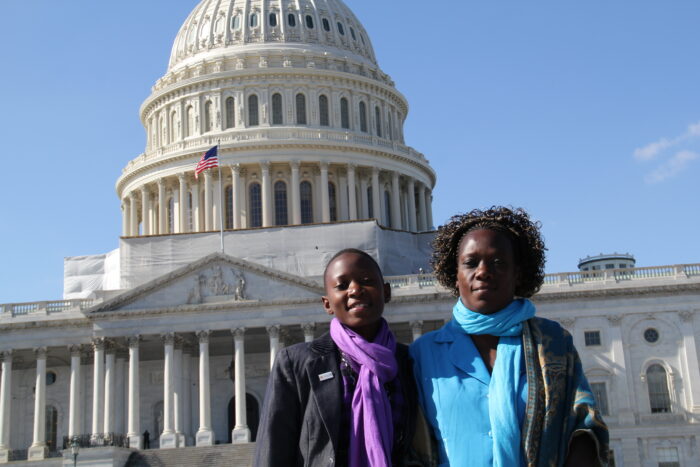
In 2005, as a child, Josephine traveled with her mother to the United States to thank Congress for PEPFAR funding. She read a poem she had written asking Congress to continue to fund HIV programs: “Help us, we are dying,” she implored.
Through PEPFAR, Josephine and her mother both survived and thrived. Josephine’s mother worked for many years as a community health worker, counseling women to get tested and treated for HIV so that they could have an HIV-free baby, an option that was not available to her. Josephine became a spokesperson and peer counselor to other children affected by HIV.
Now an adult, Josephine has founded her own foundation to help children with chronic disease and is studying to get her masters in Public Health.
She is alarmed that because of the uncertainty about PEPFAR, Uganda will go back decades. More children will be born with HIV, and more parents and children will die.
“We don’t want to go back to the years of what my mother experienced those days when there was no medication,” Josephine says. “We don’t want to have that kind of story again, because we went past that.”
Josephine has seen stock-outs of some HIV medications for children. She has heard from children living with HIV who are terrified that their medications will run out and, as a result, they are hoarding their pills, taking them every other day instead of taking them every day. This can lead to a failure of their treatment as HIV gets stronger in their bodies.
“In this unstable moment, how sure are we that third line and second line regimens are going to be readily available to the clients? We are already facing some stock-outs of some drugs on some regimens and people cannot access that medication.”
Josephine reports that the ARV stock is only one aspect of her fears. Key staff have been let go, medical experts who process blood tests, who counsel mothers about preventing mother to child HIV transmission, who follow up with HIV clients.
Knowledge is power. And a valuable source of knowledge has been suddenly removed from clinics.
“Staff have been laid off. When you go to some of these health facilities, you will not find the implementing staff workers who are very key in providing HIV education and implementing HIV programs. It’s that tension that is currently in the country.
“How can you treat HIV if you are not aware that you have HIV? How can you avoid passing it to your child if you are not aware that it is in your body?”
“Some facilities that are not drawing off viral load blood. They are not transporting blood. Even if the blood was drawn, it is sometimes just stuck because there is no way of transporting it to labs.
“So much is not happening, and so much is going at a very slow pace. So many people are panicking.”
“Let’s find a better way of transitioning that will not affect the clients, will not take us back to the years where our parents lived. I wish we can get a better way of transitioning all this so that clients, so that children, so that pregnant mothers, so that whoever is affected by this condition can get treatment and can live and can have hope.”
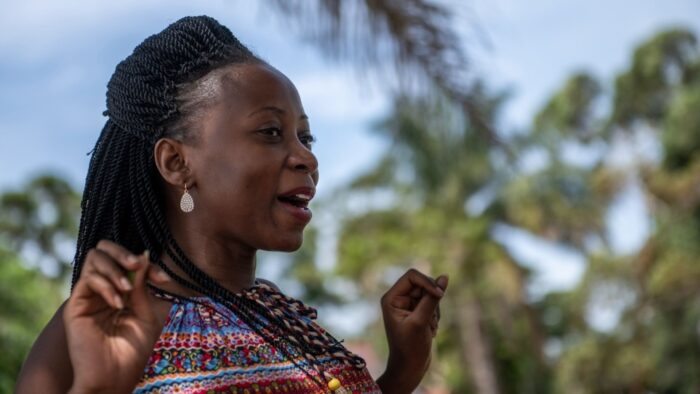
We don’t want to go back to the years of what my mother experienced those days when there was no medication.
Josephine NABUKENYA