Assigned Male at Birth
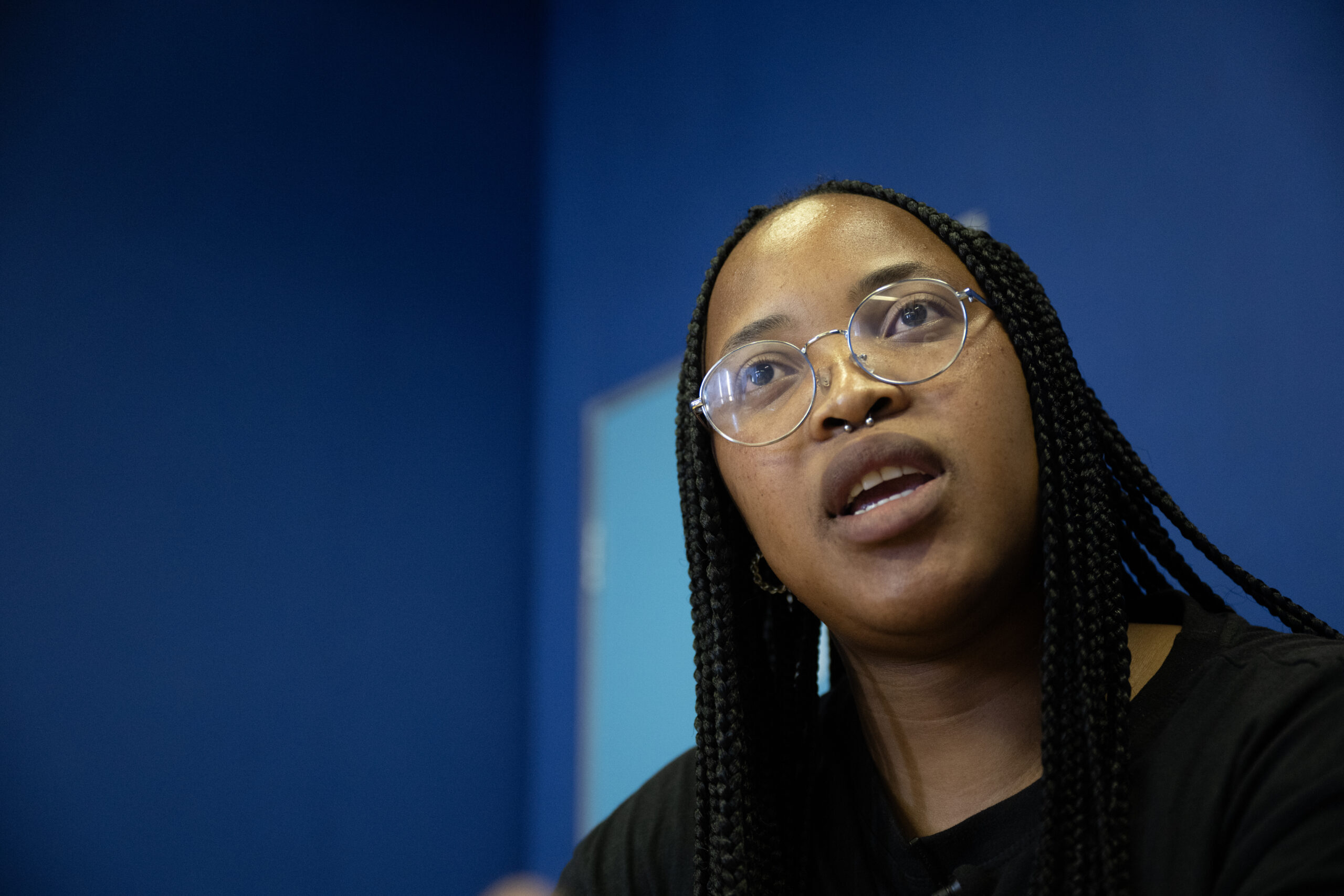
Aunty Botee was assigned male at birth and raised as a son until she completed primary school, but she used to hate doing boy’s chores because she felt feminine inside, but her brother will punish her if she refuses to do boys’ chores. She grew-up as herd boy like many Basotho boy-child taking care of cattle but inside she preferred cooking and cleaning. She comes from a family of five siblings, two brothers and two sisters.
“It was challenging experience when growing up because people were calling me names and ended up hating myself. My Aunty was a pillar of strength, she used to support me during those days and even now,” she said.
Finding Her Identity
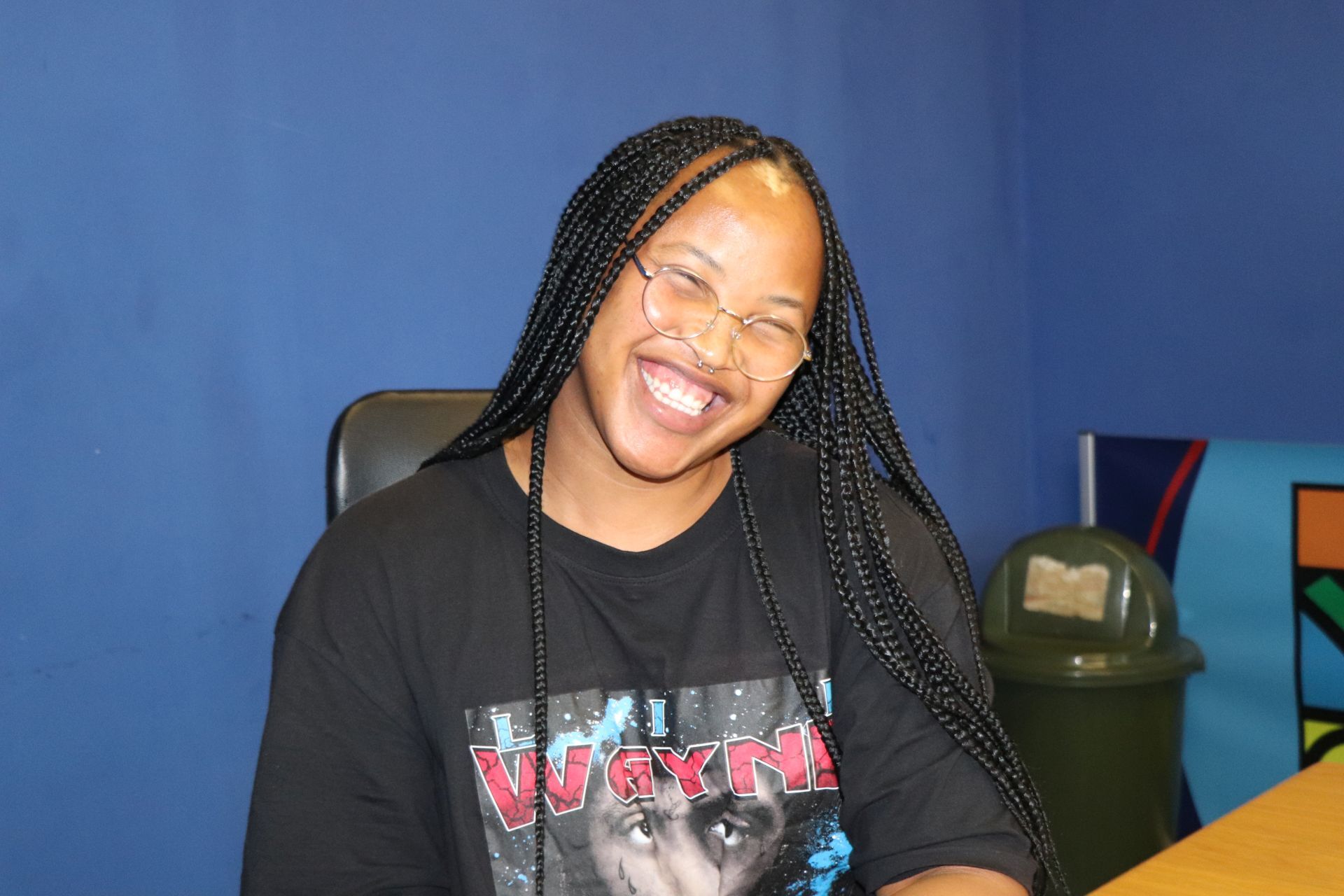
At high school, she questioned her identity and tried to find out who she was. In 2014, she came out and openly identified herself as gay attracted to people of same sex. Later in 2019 joined an association for lesbian, gay, bisexual, transgender, and queer (LGBTQ) and learnt about sexual orientation, gender identity, and gender expression (SOGIE) and that helped her find her real identity from being
gay to transgender woman.
“In this journey of finding one’s identity, you go through so much transformation until you find your desired identity. My identity now is transgender woman. I was named ‘Tello’ after my great grandfather, so when I changed my identity, I also name myself because I felt it was too masculine. I used to hate feeling different from others but now I am happy to discover and embrace my true identity andalso help others to discover their true identity,” she said.
When she initially revealed her identity as gay, she was judged and called names and disowned by her own father and stop paying her school fees while doing grade 11 before completing her high school education. Her sister was sympathetic and supportive to her, but her brother on the other side did not accept her identity. She left home and stayed with her grandmother. From this time, life was never easy for her, and she had to look for means to fend for food and her basic needs.
Stigma Against LGBTQ
“In Lesotho, there are still stigma against LGBTQ people, but now the situation is better compared to the past. Stigma usually starts from the family, where your own family rejects you. LGBTQ is not legalized in Lesotho; therefore, our rights are not recognized by law and same sex relationship is currently prohibited in our country,” she explains.
After joining LGBTQ association, she started working as HIV peer educator before she became HIV positive. Later, she met a partner, and they were not using protection, only to find out that she contacted Sexual Transmitted Infections (STIs) and decided to test for HIV, and she was found positive. “I blame myself; I was supposed to always use protection.”
Joining HIV Peer Support Group

Her HIV journey started in 2020 when she became HIV positive. She joined the peer support group of People Living with HIV (PLHIV) facilitated by Elizabeth Glaser Pediatric AIDS Foundation (EGPAF). They meet in person and have a WhatsApp group to share challenges and experiences and empower themselves to live healthy, adhere to treatment and ensure viral suppression. She mentioned among common challenges that face adolescents living with HIV are disclosure and treatment fatigue, and therefore in her activism, she always talks about the best ways to deal with such challenges. On HIV prevention, she encourages those who are HIV negative to use PrEP and to practice safe sex.
“I have publicly disclosed my HIV status, and I am now living openly with HIV. I talk everywhere and even put on a T-shirt that has written ‘I am HIV Positive. I am not defined by my HIV status because beyond HIV, I am human being who aims to achieve greater things in life like anybody else,” she said.
The EGPAF Youth Ambassador Ntsehiseng Naomi Moloko mentioned that Aunty Botee is a loyal member of the peer support group. “She has never missed her appointment. She always has good treatment adherence and viral suppression. This year she will graduate from adolescents to adult care.”
Moloko said as health care workers (HCW), they always put their patients first by respecting their individual’s values, preferences and needs, emphasizing freedom of choice, ensure they are comfortable and work towards fostering trustful caregiving relationships. This helps patients to be comfortable communicating to HCW. A good patient and health care worker relationship is vital to retain patients in care. “Most members of our peer support group adhere to treatment with good viral suppression.”
Sharing Her Story to Motivate Others
She changed her name to Aunty Botee as she uses her experiences to motivate PLHIV from LGBTQ community on how to face and tackle challenges of living with HIV, they refer to her as ‘Aunty’.
“I think sharing personal experience is more powerful to impact other people than just teaching theory because when I share my true HIV story as LGBTQ person, other people from my community who were in denial also accept their status. I also use social media to share my story and to encourage others,” she explains.
The Future of LGBTQ and Her Future
She indicated that when people see that your family and friends accept you, they also accept you. So, acceptance now is not an issue for her. She said the only thing that is left now is for Lesotho to recognize LGBTQ and legalize it by law. Later she was called by her schoolteacher and completed her high school studies.
According to her, the future of LGBTQ in Africa is not consistent but rather unpredictable. Other countries legalized and accepted LGBTQ community while in other countries it is still illegal.
She has outgrown her fears of being accepted or rejected and empowers herself through meditation. In future Aunty Botee sees herself as renowned HIV and LGBTQ activist in Lesotho. She sees her future with a happy beautiful family as a mom of two children with her partner.
Aunty Botee recently shared her story on EGPAF’s new podcast, Beyond+. Listen to the episode and learn more about her journey to activism.